This is default featured slide 1 title

Go to Blogger edit html and find these sentences.Now replace these sentences with your own descriptions.This theme is Bloggerized by Lasantha Bandara - Premiumbloggertemplates.com.

This is default featured slide 2 title

Go to Blogger edit html and find these sentences.Now replace these sentences with your own descriptions.This theme is Bloggerized by Lasantha Bandara - Premiumbloggertemplates.com.

This is default featured slide 3 title

Go to Blogger edit html and find these sentences.Now replace these sentences with your own descriptions.This theme is Bloggerized by Lasantha Bandara - Premiumbloggertemplates.com.

This is default featured slide 4 title

Go to Blogger edit html and find these sentences.Now replace these sentences with your own descriptions.This theme is Bloggerized by Lasantha Bandara - Premiumbloggertemplates.com.

This is default featured slide 5 title

Go to Blogger edit html and find these sentences.Now replace these sentences with your own descriptions.This theme is Bloggerized by Lasantha Bandara - Premiumbloggertemplates.com.

How to keep your cat cool in summer

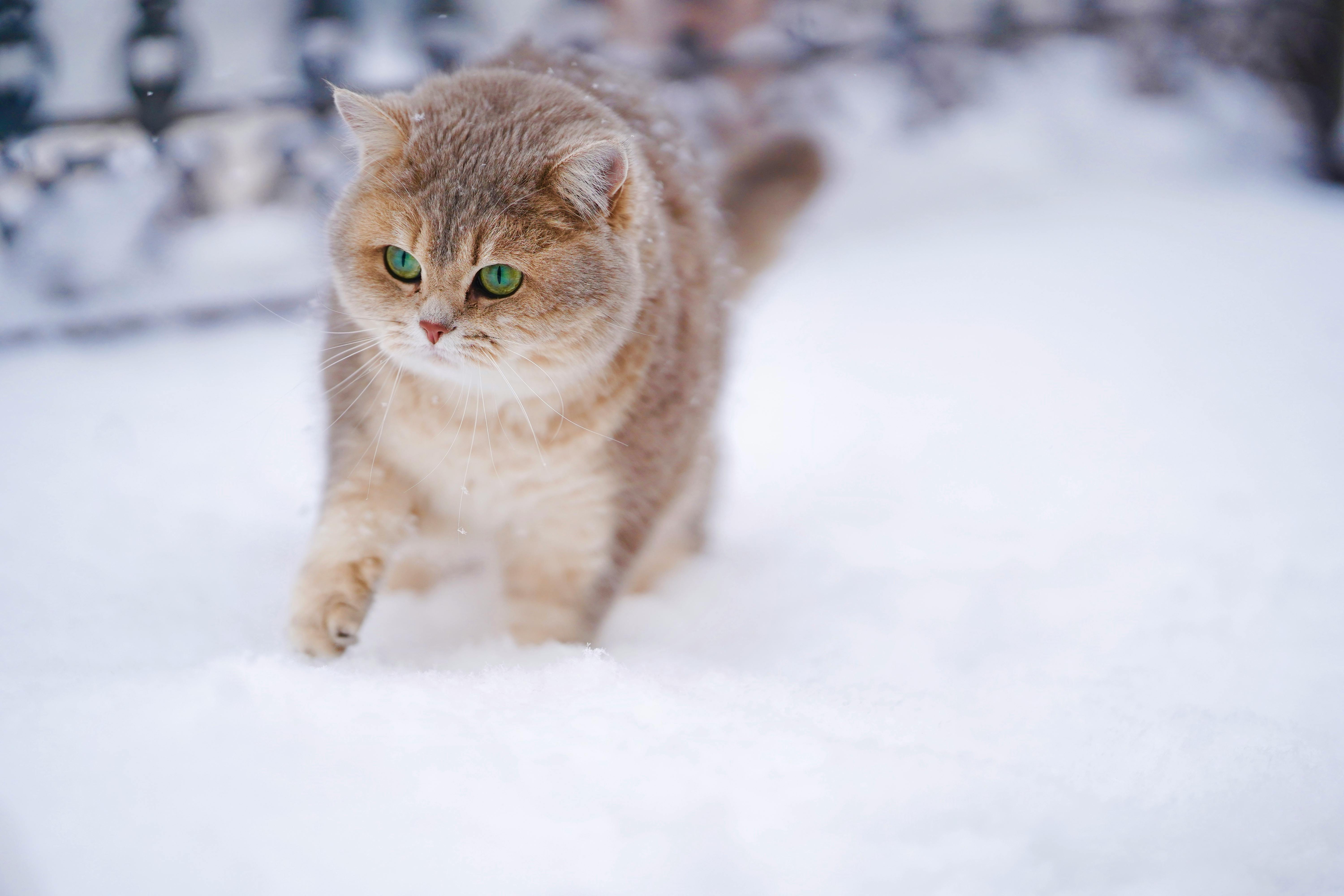
Cat on snow-covered ground

Summer’s here—and while we’re reaching for cold drinks and cranking up the AC, our furry friends can struggle with the heat. Cats are usually heat-tolerant, but extreme temps can put them at risk of dehydration, heatstroke, and discomfort.

Here’s how to keep your cat cool, safe, and chill all summer long:

๐Ÿ’ง 1. Hydration Is Key

Always provide fresh, clean water. Add multiple bowls around your home, or better yet—invest in a pet water fountain. Cats love running water and drink more when it’s moving!

๐ŸงŠ 2. Ice, Ice, Kitty

Drop a few ice cubes in your cat’s water bowl. You can also freeze tuna water or chicken broth (no salt!) in ice cube trays for a cool treat.

๐ŸŒฌ️ 3. Fans & Breeze Zones

Set up a fan in rooms your cat likes to lounge in. Open screened windows or turn on ceiling fans for airflow. Some cats even enjoy laying in front of a box fan like it’s their personal AC.

๐ŸŒด 4. Create Shady Hideouts

Make sure your cat has shady spots to escape the sun. Place cardboard boxes or cat beds in darker corners of your home. Cooling mats or tiles also make great napping surfaces.

๐Ÿ˜ด 5. Limit Play During Peak Heat

Avoid intense playtime during the hottest part of the day (noon to 4 PM). Schedule energetic activities for the cooler mornings or evenings.

๐Ÿชถ 6. Light Grooming

Brushing out loose fur can help your cat feel cooler. Skip any shaving—your cat’s coat helps regulate body temperature and prevents sunburn!

๐Ÿšซ 7. Never Leave Cats in Cars

Even for a minute. The temperature inside a parked car can skyrocket in seconds—even with the windows cracked.

๐Ÿšจ 8. Know Heatstroke Signs

  • Panting
  • Lethargy
  • Drooling
  • Vomiting
  • Bright red gums

If you see these symptoms, get your cat to a cool place and call your vet immediately.

✨ Final Chill

Your cat may not ask for a popsicle, but they still need summer care! Keep them cool, hydrated, and shaded—and you’ll both enjoy the sunny season stress-free.

Share your kitty’s summer vibes using #CoolCatSummer and tag us for a chance to be featured! ๐Ÿ˜บ☀️

Preparing for Your Cat’s First Vet Visit

Veterinarians taking care of a fluffy kitten

Bringing your cat to the vet for the first time can be nerve-wracking—for both of you! But with a little prep, it can be a smooth, positive experience that sets your feline up for a lifetime of good health.

๐Ÿ‘œ 1. Choose the Right Carrier

A sturdy, well-ventilated carrier is essential. Soft-sided or top-loading carriers make it easier to get your cat in and out. Leave it open in your home a few days before the visit so your cat gets used to it.

๐Ÿ“‹ 2. Bring Important Info

Pack any adoption records, previous medical history (if available), and a list of questions or concerns. Don’t forget your cat’s ID tag or microchip info if applicable.

๐Ÿพ 3. Keep It Calm

Use a towel or soft blanket in the carrier to comfort your cat. Spraying the inside with a calming pheromone like Feliway 15 minutes before travel can help reduce anxiety.

๐Ÿš— 4. Travel Smart

Secure the carrier in the back seat with a seatbelt. Keep the car quiet and avoid sudden stops or loud music. Talk to your cat gently if they’re vocalizing—they’re just nervous.

๐Ÿง‘‍⚕️ 5. What to Expect

Your vet will check your cat’s weight, temperature, eyes, ears, teeth, heart, and general condition. Vaccinations, parasite prevention, and microchipping may also be discussed.

๐Ÿ“ฆ 6. Bring Familiar Items

A favorite toy or blanket can help soothe your cat at the clinic. Even your worn t-shirt might bring comfort—it smells like home.

๐Ÿ˜บ 7. Post-Visit Treats

Once you’re back, reward your cat with a treat, play session, or cuddle time. This helps create a positive association with the vet experience.

๐Ÿ’ฌ 8. Ask Questions!

First visits are a great time to ask about nutrition, behavior, litter box habits, and future care. Don’t be shy—your vet is your partner in your cat’s well-being.

✨ Final Meow

That first vet visit is a big milestone—for you and your kitty. With some prep and a calm attitude, you’ll lay the foundation for a lifetime of happy, healthy checkups. Remember, a little love and planning go a long way!

Have a first vet visit story? Share it in the comments or tag us using #FirstVetVisit! ๐Ÿพ

Tips for grooming your cat at home

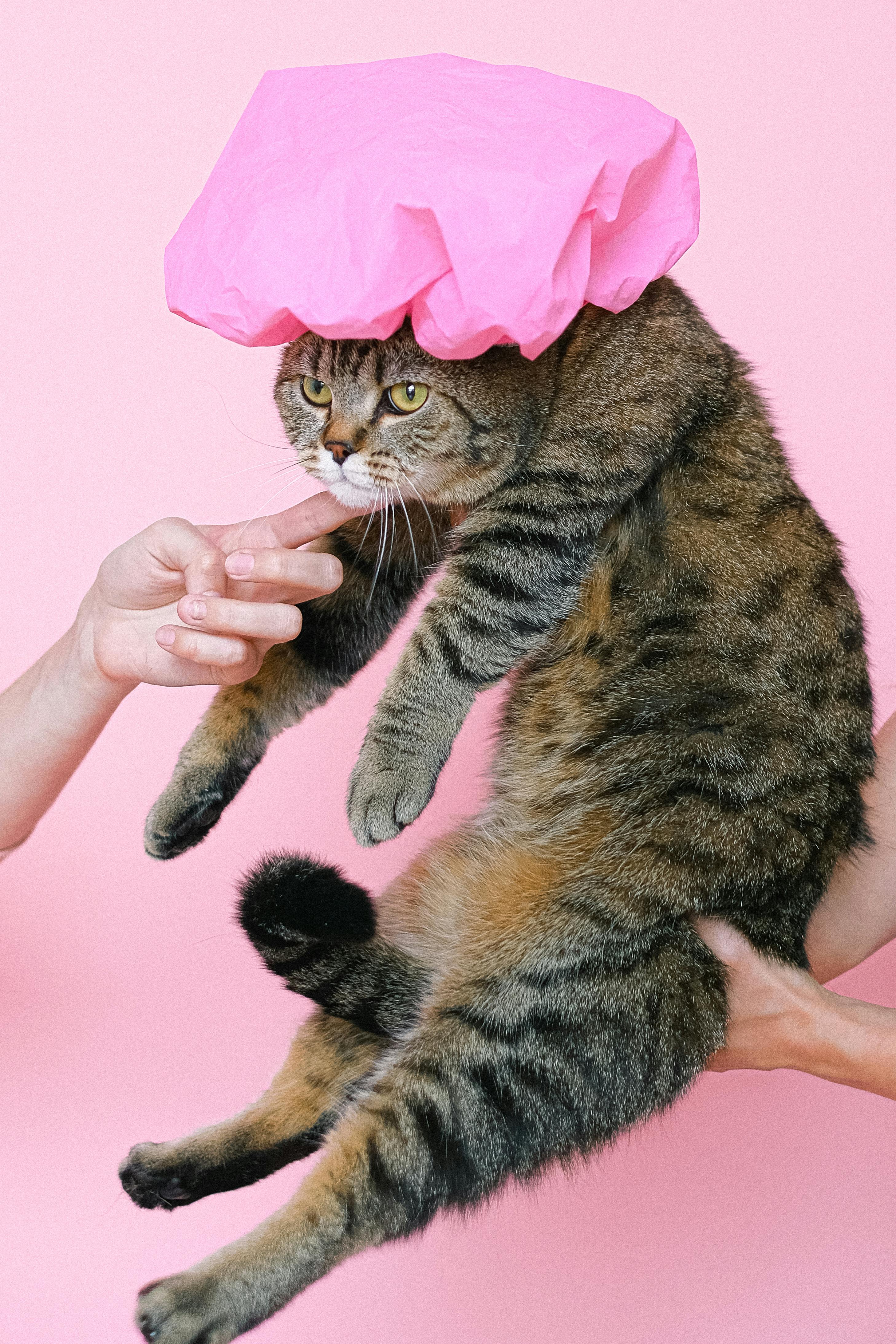
Brown tabby cat wearing shower cap

Your cat might not love spa day—but regular grooming keeps them healthy, happy, and looking purr-fect. Whether you’ve got a short-haired snuggler or a long-haired diva, these easy tips will turn grooming time into bonding time (or at least, reduce the drama).

๐Ÿงฝ 1. Brush Regularly

Brushing removes loose fur, prevents mats, and reduces hairballs. Try:

  • Short-haired cats: 1–2 times a week
  • Long-haired cats: Daily or every other day

Use a slicker brush or grooming mitt and always brush in the direction of the fur.

✂️ 2. Trim Those Claws

Overgrown claws can snag furniture—or you. Trim every 2–3 weeks using cat nail clippers. Avoid the pink “quick” inside the nail to prevent pain or bleeding.

Pro tip: Try trimming one paw at a time if your cat is wiggly.

๐Ÿงผ 3. Clean the Ears

Gently wipe the outer ear with a damp cotton pad or vet-approved ear cleaner. Avoid inserting anything deep—cats’ ears are sensitive and prone to damage.

๐Ÿ‘€ 4. Wipe the Eyes

Some cats, especially flat-faced breeds, may have tear stains. Use a clean, damp cloth or pet eye wipes to gently clean around the eyes.

๐Ÿšฟ 5. Bathe Only When Needed

Cats are self-cleaning pros. But if they get into something sticky or smelly, use a mild cat shampoo and warm water. Avoid human products—they can irritate feline skin.

๐Ÿชฅ 6. Dental Health Counts

Brush your cat’s teeth weekly with pet-safe toothpaste. Dental treats and water additives can also help keep tartar at bay.

๐Ÿ˜ป 7. Make It a Positive Experience

Reward your cat with treats, praise, and cuddles. Keep sessions short and sweet, especially if your cat is new to grooming.

✨ Final Furball

Grooming your cat at home doesn’t have to be a battlefield. With the right tools and a little patience, it can become a calming ritual that strengthens your bond—and keeps your kitty looking fabulous.

Got a grooming hack that works wonders? Share it in the comments or tag us using #HomeCatGrooming! ๐Ÿพ

Cat-Proof Your Home

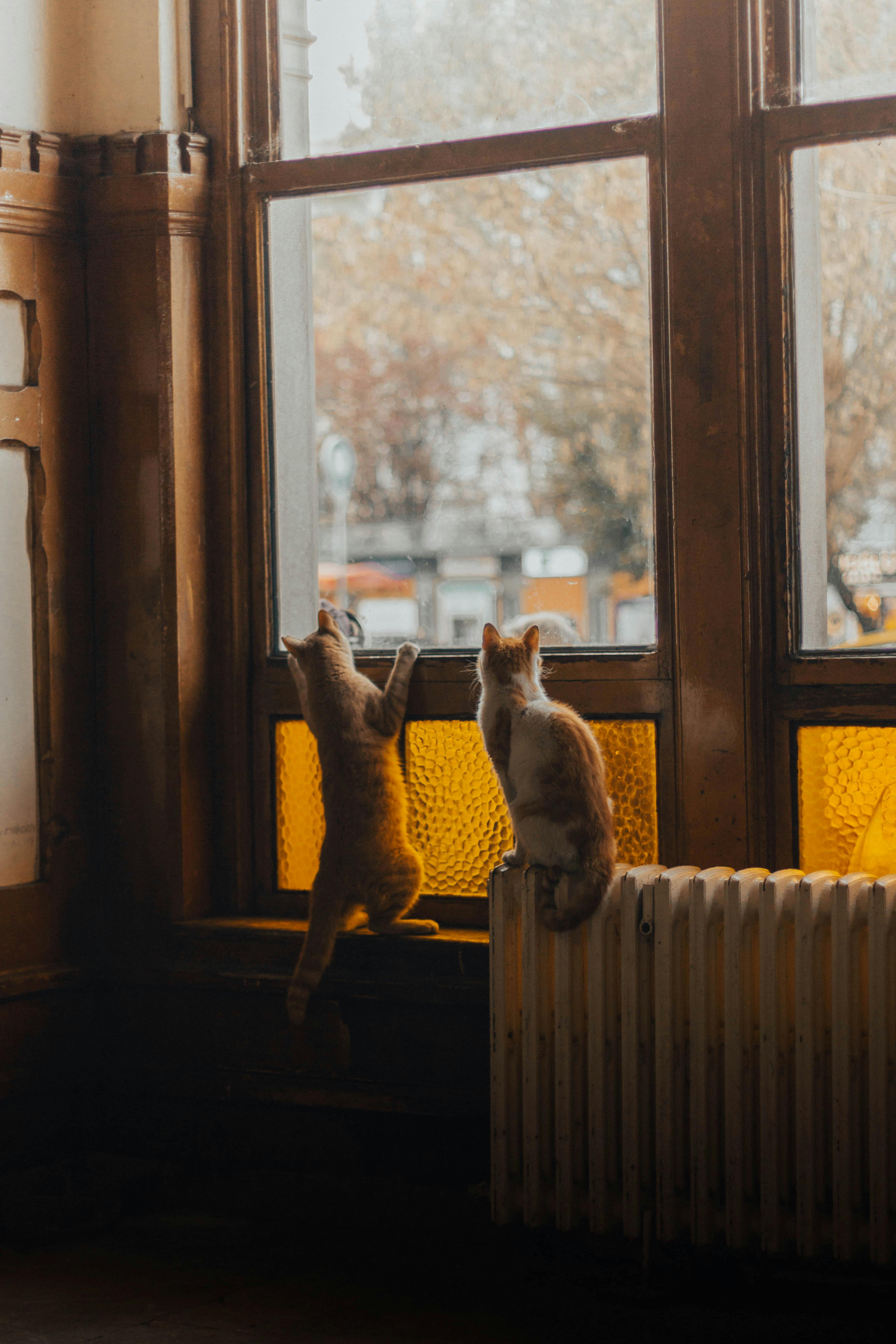
Two cats looking out a vintage window

So you've adopted a curious, mischievous, totally adorable ball of fluff—congratulations! Now it’s time to protect your home (and your sanity) from feline chaos. Cat-proofing isn’t about restricting fun—it’s about making your space safer for your pet and your belongings.

๐Ÿงผ 1. Hide the Toxic Stuff

Many common household items are harmful to cats. Keep these far out of reach:

  • Cleaning products (bleach, ammonia, etc.)
  • Human medications
  • Essential oils (tea tree, eucalyptus, citrus)
  • Houseplants like lilies, aloe, and pothos
Pro Tip: Store toxic items in cabinets with childproof latches.

๐Ÿ”Œ 2. Secure Cords and Cables

Cats love to chew cords like spaghetti. Use cord covers, PVC piping, or bitter apple spray to make them less appealing—and protect your tech!

๐ŸชŸ 3. Screen the Windows

Indoor cats love to sunbathe by the window. Make sure all windows have sturdy screens to prevent accidental falls, especially in multi-story homes.

๐Ÿ“ฆ 4. Lock Down Small Items

Rubber bands, hair ties, needles, and other tiny things can be swallowed or choked on. Store them in drawers or containers with lids.

๐Ÿ”ฅ 5. Watch Open Flames

Never leave candles, stoves, or fireplaces unattended. Cats are curious and quick—and a flickering flame is basically cat TV.

๐Ÿ›‹️ 6. Cover or Block Furniture Gaps

That tiny space behind your couch? Prime real estate for a hiding cat. Block off tight spaces where they could get stuck or disappear during stressful moments.

๐ŸŒฟ 7. Offer Cat-Friendly Alternatives

To discourage clawing your couch or knocking over your plants, give your cat their own:

  • Scratching posts & cardboard pads
  • Cat grass or catnip planters
  • Window hammocks or climbing shelves

๐Ÿงฉ 8. Keep Things Interesting

Many “naughty” behaviors come from boredom. Rotate toys, use treat puzzles, or build DIY cat towers to keep them stimulated (and less destructive).

๐Ÿšช 9. Close Off Unsafe Rooms

Bathrooms (toilet water), laundry rooms (detergents), or garages (tools and chemicals) should be off-limits unless fully cat-proofed.

✨ Final Meow

Cat-proofing your home doesn’t mean turning it into a bunker—it’s about creating a safe, enriching space where your cat can explore and thrive without danger. Think of it as interior design… but with a very opinionated roommate who walks on four legs.

Got a genius cat-proofing hack? Share it in the comments or tag us using #SafeAndSavvyCat! ๐Ÿพ

How to reduce stress in anxious cats

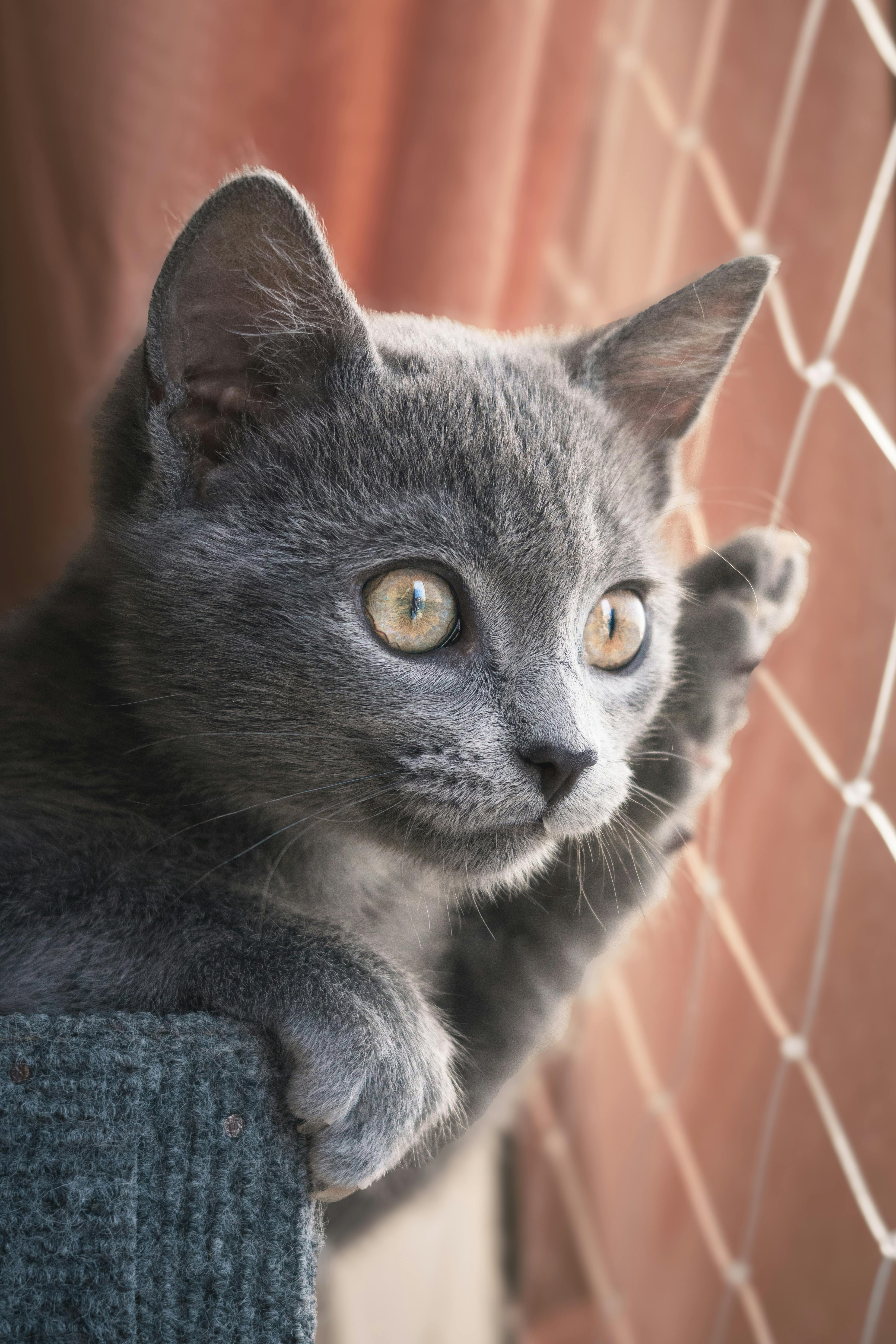
Gray cat looking out window

Calm the Cat

Is your feline friend hiding under the bed, flinching at every sound, or pacing like a little four-legged worrier? You're not alone—cats get stressed too. While they may not file taxes or sit through traffic, changes in environment, loud noises, or even boredom can crank up their anxiety levels.

Here’s how to help your anxious kitty feel safe, secure, and soothed—without needing a cat therapist on speed dial.

๐Ÿ›️ 1. Create Safe Zones

Cats crave control. Provide cozy hideouts—blanket forts, cat caves, or a box with a soft towel. High spots are also a win for stressed kitties.

Fact: Elevated spaces help cats feel secure by giving them a better view of their surroundings.

๐Ÿ’ 2. Use Calming Scents

Feliway diffusers, calming sprays, or even lavender-scented (pet-safe) pillows can ease tension. Cats use scent to mark safety—so soothing smells matter.

๐ŸŽต 3. Try Sound Therapy

Soft classical music or specially made cat relaxation playlists on YouTube or Spotify can create a calm vibe. Avoid sharp or sudden sounds.

Fun fact: Some cats prefer harp music. Fancy, right?

๐Ÿพ 4. Stick to Routines

Feed and play your cat around the same time each day. Predictable routines make them feel safe and grounded.

๐Ÿฑ 5. Gentle Play Sessions

Use feather wands or string toys to slowly engage them. Don’t overwhelm—just encourage curiosity. End with a treat to reinforce positivity.

๐Ÿ’Š 6. Consider Natural Calming Aids

Options like cat-calming treats, CBD for pets (consult your vet first), or natural supplements like L-theanine can help.

๐Ÿšซ What Not to Do

  • Don’t force cuddles or handling—they’ll retreat more.
  • Don’t punish nervous behavior—it adds to the fear.
  • Don’t ignore changes in behavior—stress can hide medical issues.

๐Ÿ‘ฉ‍⚕️ 7. When to See the Vet

If your cat stops eating, grooms excessively, or hides for days on end, it might be more than anxiety. A vet check rules out physical problems.

✨ Final Meow

A calm cat is a happy cat—and a happy cat means a peaceful home.

๐Ÿพ The Most Affectionate Cat Breeds for Cuddly Companionship

Cat image

As a cat mom and vector designer, I know firsthand how inspiring a cuddly cat can be. There’s nothing like hearing those soft purrs while working late, or getting surprise snuggles right when you need a break from your screen.

Not all cats are aloof—many are total lovebugs. If you're dreaming of a cat who craves cuddles, lives for lap time, and purrs like a tiny motor, here’s a list of the most affectionate cat breeds known for their warmth, loyalty, and cozy companionship.

These kitties don’t just fill your heart—they’ll fill your workspace, bed, and maybe your keyboard too.


๐Ÿฑ 1. Ragdoll – See Photos

The ultimate cuddle cat. Ragdolls are gentle, floppy when held (hence the name), and love following you around like a puppy. They’re calm, sweet, and incredibly affectionate.

๐Ÿฑ 2. Maine Coon – See Photos

Big, fluffy, and full of love. Maine Coons are friendly giants that adore attention and have soft, chirpy purrs. They’re social, playful, and loyal lap companions.

๐Ÿฑ 3. Scottish Fold – See Photos

With their signature folded ears and round eyes, Scottish Folds are cuddle champions. They form deep bonds with their humans and love curling up next to you—especially if you’re working or relaxing.

๐Ÿฑ 4. Siamese – See Photos

Vocal, emotional, and deeply attached, Siamese cats will talk to you all day and cuddle the moment you sit down. They’re affectionate and crave your attention like no other.

๐Ÿฑ 5. Birman – See Photos

Soft-spoken and sweet-natured, Birmans love people and enjoy quiet, loving companionship. They’re gentle, easygoing, and known to rest in your lap for hours.

๐Ÿฑ 6. Persian – See Photos

These cats are chill royalty. Persians love lounging beside (or on) you and enjoy being pampered. Their quiet demeanor and affection make them perfect cuddle buddies.

๐Ÿฑ 7. Tonkinese – See Photos

A playful mix of Siamese and Burmese, Tonkinese cats are affectionate, talkative, and always up for snuggles. They love being part of everything you do—yes, even design work!

๐Ÿฑ 8. Burmese – See Photos

Compact and cuddly, Burmese cats are all about bonding. They love physical closeness, and their warm, velvety coats make them irresistible lap cats.

๐Ÿฑ 9. Exotic Shorthair – See Photos

Think Persian, but with a shorter coat. These teddy-bear-like kitties are affectionate, relaxed, and quietly loving. They’re couch snuggle pros.

๐Ÿฑ 10. Abyssinian – See Photos

While not lap cats 24/7, Abyssinians show love in active ways—following you around, being near you, and offering soft purrs during breaks. Affectionate with a curious spirit.


๐Ÿ’– Final Meows: Love Comes in All Fur Types

Every cat has its own way of loving—some curl up on your chest, others lay by your feet or nuzzle your hand while you draw. Whether you’re looking for a full-time lap cat or a part-time snuggler, these breeds are known for their warm hearts and strong purr games.

For designers, artists, and anyone working from home, a loving cat isn’t just a pet—it’s therapy, company, and constant inspiration. And if you’ve already found your perfect purring partner? Hold them tight, love them fully, and give them an extra cuddle from me.

Stay soft, stay inspired,
– Your fellow Cat Mom & Designer ๐Ÿพ

๐Ÿฑ What Do Cats Know? The Surprising Intelligence of Felines

Adorable cat in cozy bookstore

Cats are often described as mysterious and independent, but beneath those slow blinks and twitching whiskers is a brain that’s constantly observing, analyzing, and learning. So… what exactly do cats know?


๐Ÿง  1. Cats Know Their Name (Even If They Ignore You)

Studies show that cats recognize their names and the tone of their owner's voice. They may not always respond like dogs, but they absolutely know when they’re being called — they just choose when to acknowledge it.

๐Ÿ“… 2. Cats Know Your Routine

Cats are masters of routine. They know when you usually wake up, eat, go to work, and come home. If you’re late feeding them by even 10 minutes, they’ll remind you — loudly.

๐Ÿ˜ฟ 3. Cats Know When You’re Sad or Sick

Cats are emotionally intelligent. Many will cuddle or stay close when their humans are feeling down or unwell. Some cats even detect illness before it's diagnosed, including seizures or changes in blood sugar.

๐Ÿ‘️ 4. Cats Know What Belongs to Them (and to You)

Cats are territorial by nature. They know their favorite sleeping spots, where their toys are hidden, and which areas belong to “the human.” They may even swipe your chair just to remind you who’s boss.

๐Ÿพ 5. Cats Know How to Get What They Want

From meowing in specific tones to pawing at doors or food bowls, cats are experts in communication — especially when it benefits them. Some even learn to open cabinets or ring bells!

๐Ÿšจ 6. Cats Know When Something's Wrong

Whether it's a stranger at the door or an earthquake seconds before it happens, cats are highly sensitive to changes in energy, scent, and sound. They’re alert, even when they appear to be snoozing.

๐ŸŽ“ 7. Cats Can Learn Tricks and Commands

Contrary to the myth that cats can’t be trained, many cats can learn to sit, high-five, fetch, or even use a human toilet — all through positive reinforcement and consistency.


๐Ÿพ Final Thoughts: They Know More Than You Think

While cats might not always show affection the way we expect, they are incredibly observant, emotionally aware, and deeply attuned to their surroundings. So next time your cat stares at you from across the room, remember — they probably know more about you than you know about them!

✨ Do you think your cat knows something you don’t? Let us know in the comments!

๐Ÿ”ฅ Pudding the Cat – The Feline Who Saved Her Diabetic Owner’s Life


๐Ÿ“ Location: Wisconsin, USA
๐Ÿ“… Date: February 2012

๐ŸŒŸ The Story:

A woman named Amy Jung and her son visited an animal shelter in Wisconsin just to “look around.” But she immediately connected with a large orange-and-white cat named Pudding, who had been at the shelter for weeks. That very night, they adopted him and took him home.

Later that evening, Amy — a lifelong type 1 diabetic — went to bed. In the middle of the night, she began to suffer a diabetic seizure in her sleep. Her blood sugar had dropped dangerously low.

That’s when Pudding leaped into action.

He jumped onto Amy’s chest, meowing loudly and pawing at her face until she briefly woke up. But she quickly lost consciousness again. Pudding then ran into her son’s room, woke him up, and led him to Amy — just in time to call for emergency help.

๐Ÿฅ What Happened Next:

Doctors said that without Pudding's quick action, Amy might not have survived.

She officially registered Pudding as a therapy cat for her medical needs.

The shelter where she adopted him received a surge in visitors and adoptions.

๐Ÿพ Moral of the Story:

Pudding had only been in Amy’s home for a few hours — and yet, his instincts saved her life. His loyalty and awareness showed that cats can sense health changes just like trained service animals.

๐Ÿฑ Tara the Hero Cat – The Brave Cat Who Saved a Boy from a Dog Attack


๐Ÿ“ Location: Bakersfield, California, USA
๐Ÿ“… Date: May 2014

๐ŸŒŸ The Story:

In a quiet neighborhood in Bakersfield, a 4-year-old boy named Jeremy Triantafilo was riding his bicycle in the driveway of his home. His family's tabby cat, Tara, was lounging nearby — as always, calmly keeping watch over her humans.

Suddenly and without warning, the neighbor’s large dog escaped from its yard and charged straight at Jeremy. In a flash, the dog bit into the boy’s leg, knocking him off his bike and dragging him across the driveway.

Before anyone could react, Tara sprinted into action. She launched herself at the attacking dog with unbelievable speed and force, slamming into its side and chasing it away from Jeremy.

Security footage from the home captured the entire incident, showing Tara’s courageous defense of her young owner. The footage went viral, and millions around the world were stunned by her instinct to protect.

๐Ÿ‘ฉ‍⚕️ What Happened Next:

Jeremy suffered minor injuries and needed a few stitches but made a full recovery.

The dog was removed by animal control for public safety.

Tara became an instant global hero, appearing in interviews and even throwing the first pitch at a baseball game (with help, of course).

She became the first cat ever awarded the Hero Dog Medal by the Society for the Prevention of Cruelty to Animals Los Angeles (SPCALA).

๐Ÿ† Legacy:

Tara showed the world that heroism isn’t limited to dogs or humans. Her loyalty and bravery proved that cats, too, can be protective, loving family members who act with incredible courage.

๐Ÿพ Popular Cat Breeds

Orange cat close-up

1. Persian – Gentle, calm, and luxurious long fur See Photos

2. Maine Coon – Large, friendly, and playful See Photos

3. Siamese – Vocal, sleek, and affectionate See Photos

4. British Shorthair – Round face, plush coat, quiet nature See Photos

5. Ragdoll – Docile, blue-eyed, and loves cuddles See Photos

6. Bengal – Wild appearance, energetic, loves to play See Photos

7. Sphynx – Hairless, affectionate, and attention-loving See Photos

8. Scottish Fold – Folded ears, sweet-tempered See Photos

9. Abyssinian – Sleek, active, and intelligent See Photos

10. American Shorthair – Adaptable, calm, and family-friendly See Photos

How My Cat Helped Me Through Anxiety and Burnout

How My Cat Helped Me Through Anxiety and Burnout

Cat comforting owner
Living with anxiety and burnout can feel isolating and overwhelming, but for me, my cat became a lifeline. Their gentle purrs and calm presence created a safe space during my darkest moments. The simple ritual of caring for my feline friend helped me focus on small joys and grounded me in the present. When stress peaks, their soft head nudges remind me that I’m not alone. Cats may not speak our language, but their unconditional love is a powerful healer for the mind and soul.

๐Ÿพ Why Cats Are More Than Pets – They’re Soul Companions

Cat close up soulful eyes
Cats aren’t just animals living in our homes — they’re silent companions who understand us in ways words cannot express. Their intuition seems to tune into our moods, offering comfort without judgment. Through shared quiet moments, they become part of our emotional fabric. Whether curling up on your lap or quietly watching from afar, cats teach us patience, empathy, and presence. They are truly soul companions, enriching our lives with their mysterious grace.

๐Ÿ’” Saying Goodbye: Coping With the Loss of a Cat

Sad cat
Losing a cat is heartbreaking. Their absence leaves a quiet ache in the home and heart. Grieving takes time, and it’s important to honor your feelings and memories. Sharing stories, creating a memorial, or simply sitting with your emotions helps in the healing process. Remember, your love for your cat is eternal, and the bond you shared continues beyond their physical presence. In time, the pain softens and is replaced by gratitude for the love and joy they brought to your life.

๐Ÿฑ What Adopting a Rescue Cat Taught Me About Love

Rescue cat close up
Adopting a rescue cat changed my perspective on love and patience. Many rescue cats come with scars—emotional or physical—that require time and tenderness to heal. Through daily care, trust builds slowly but surely. I learned that love isn’t always immediate or easy; it’s consistent presence and gentle understanding. Watching a once scared or wary cat blossom into a joyful companion is one of life’s most rewarding experiences. Rescue cats teach us that love can be transformative and deeply healing.

๐Ÿ’ž Signs Your Cat Truly Loves You (And It’s Not Just About Food)

Cat showing affection
Cats show love in subtle ways that go far beyond mealtime. If your cat greets you at the door, follows you around, or brings you “gifts” like toys or even the occasional caught bug, they’re saying they trust and care for you. Slow blinking, gentle head bumps, and kneading on your lap are all affectionate behaviors. Understanding these signs deepens your bond and reveals just how much your feline friend values your presence—not just your food bowl.