This is default featured slide 1 title

Go to Blogger edit html and find these sentences.Now replace these sentences with your own descriptions.This theme is Bloggerized by Lasantha Bandara - Premiumbloggertemplates.com.

This is default featured slide 2 title

Go to Blogger edit html and find these sentences.Now replace these sentences with your own descriptions.This theme is Bloggerized by Lasantha Bandara - Premiumbloggertemplates.com.

This is default featured slide 3 title

Go to Blogger edit html and find these sentences.Now replace these sentences with your own descriptions.This theme is Bloggerized by Lasantha Bandara - Premiumbloggertemplates.com.

This is default featured slide 4 title

Go to Blogger edit html and find these sentences.Now replace these sentences with your own descriptions.This theme is Bloggerized by Lasantha Bandara - Premiumbloggertemplates.com.

This is default featured slide 5 title

Go to Blogger edit html and find these sentences.Now replace these sentences with your own descriptions.This theme is Bloggerized by Lasantha Bandara - Premiumbloggertemplates.com.

Showing posts with label Nutrition & Feeding. Show all posts

Safe Human Foods for Cats (And Which to Avoid)

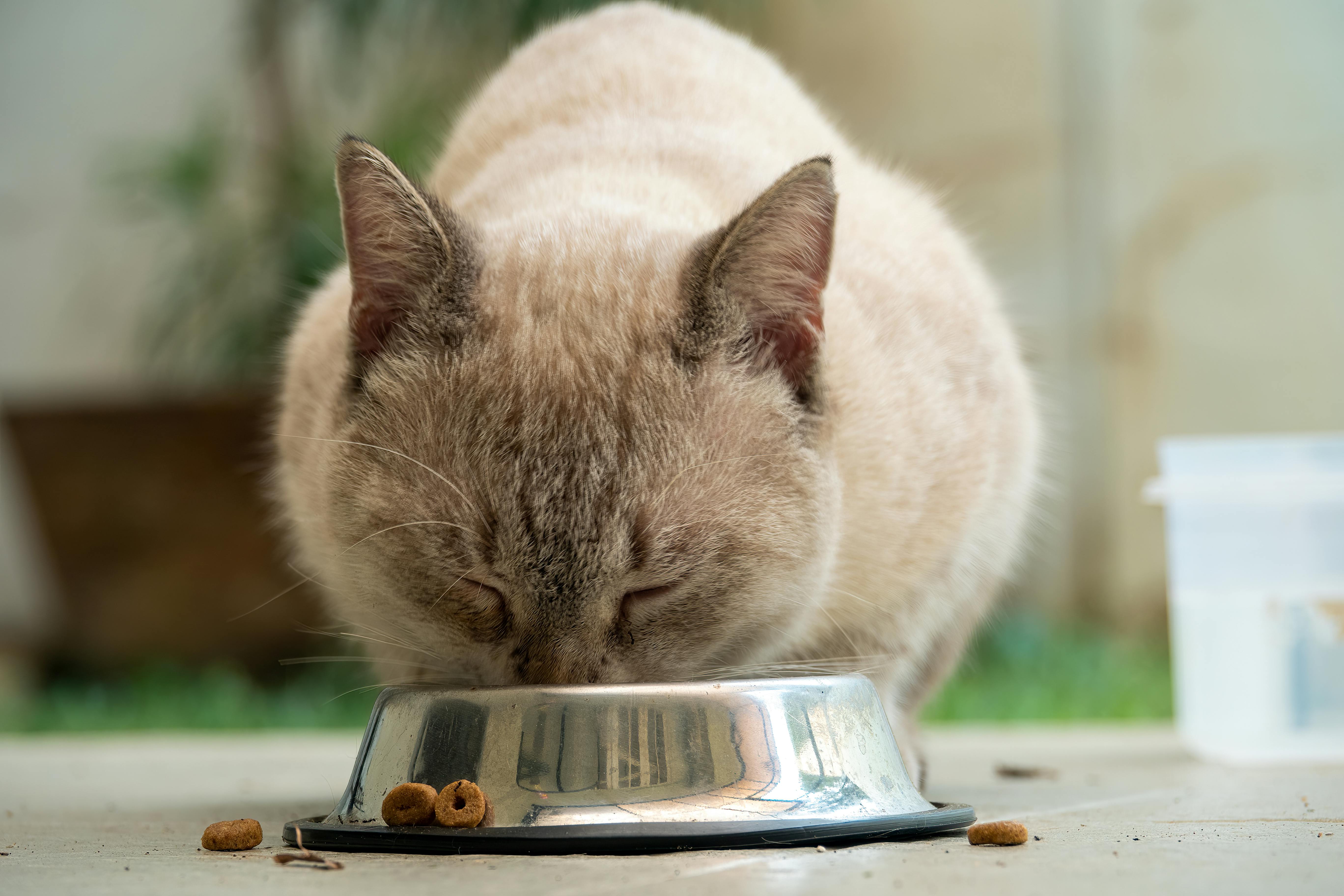
Siamese cat eating from metal bowl outdoors

While cats are obligate carnivores, some human foods can be safe and even beneficial for them in moderation. However, there are also common ingredients that can be toxic. Here's a quick guide:

✅ Safe in Moderation

  • Cooked Chicken: Plain, boneless, and skinless chicken is a great protein source.
  • Salmon: Cooked salmon offers healthy omega-3s — avoid raw or seasoned versions.
  • Carrots & Peas: Steamed or soft, they can be a healthy treat.
  • Pumpkin: A good fiber source that can help with digestion.
  • Cooked Eggs: Rich in protein, but always cooked — never raw.

🚫 Foods to Avoid

  • Onions & Garlic: Highly toxic and can cause anemia.
  • Chocolate: Even small amounts can be deadly.
  • Alcohol & Caffeine: Dangerous for a cat’s nervous system and organs.
  • Raw Dough or Yeast: Can expand in their stomach and cause severe pain or poisoning.
  • Dairy: Most adult cats are lactose intolerant, leading to digestive issues.

Always consult your vet before introducing new foods. Treats should be occasional, and your cat’s main diet should be nutritionally complete and species-appropriate.

Homemade Cat Treat Recipes

White cat staring at a tray of snacks

Making your own cat treats is a fun and healthy way to show love to your feline friend. Below are a few simple, vet-approved recipes you can try at home using ingredients you may already have in your kitchen.

🐟 1. Tuna & Oat Bites

Ingredients:

  • 1 can of tuna in water (drained)
  • 1 egg
  • 1 cup oat flour

Instructions: Preheat oven to 180°C (350°F). Mix all ingredients, form small balls, place on parchment-lined tray, and bake for 10–12 minutes until firm. Let cool before serving.

🐔 2. Chicken Crunchies

Ingredients:

  • 1/2 cup cooked chicken breast (shredded)
  • 1 tablespoon olive oil
  • 1 tablespoon catnip (optional)
  • 1/2 cup whole wheat flour

Instructions: Combine all ingredients into a dough. Roll out and cut into small shapes. Bake at 180°C (350°F) for 12–15 minutes. Store in an airtight container.

🧀 3. Cheesy Cat Nips

Ingredients:

  • 1/4 cup grated cheddar cheese
  • 1/4 cup plain yogurt
  • 1/2 cup flour

Instructions: Mix ingredients, roll into small balls, flatten slightly, and bake at 180°C (350°F) for 10–12 minutes. Let them cool completely before serving.

🎯 Tip: Always serve treats in moderation and consult your vet before introducing new ingredients to your cat’s diet.

Best Supplements for Senior Cats

Woman holding tuxedo cat

As cats age, their nutritional needs change, and supplements can help support their health, mobility, and overall well-being. Here’s a list of some of the best supplements to consider for your senior feline friend:

1. Omega-3 Fatty Acids

Omega-3s, often found in fish oil, help reduce inflammation, support joint health, and improve skin and coat condition.

2. Glucosamine and Chondroitin

These supplements promote joint health and mobility, especially useful for cats with arthritis or stiffness.

3. Probiotics

Probiotics support digestive health by balancing gut bacteria, which can improve nutrient absorption and reduce gastrointestinal issues.

4. Antioxidants

Supplements like vitamins C and E help combat oxidative stress, supporting overall cellular health and immune function.

5. Taurine

Taurine is an essential amino acid for cats that supports heart health, vision, and reproductive function.

6. B Vitamins

B vitamins assist with energy metabolism and nervous system health, which can decline with age.

Important Tips

  • Always consult your veterinarian before starting any supplement regimen.
  • Use supplements formulated specifically for cats, not dogs or humans.
  • Monitor your cat for any changes or side effects when introducing new supplements.

With the right supplements and care, senior cats can enjoy a comfortable and happy life well into their golden years.

Hydration Tips: Why Cats Need Fresh Water Daily

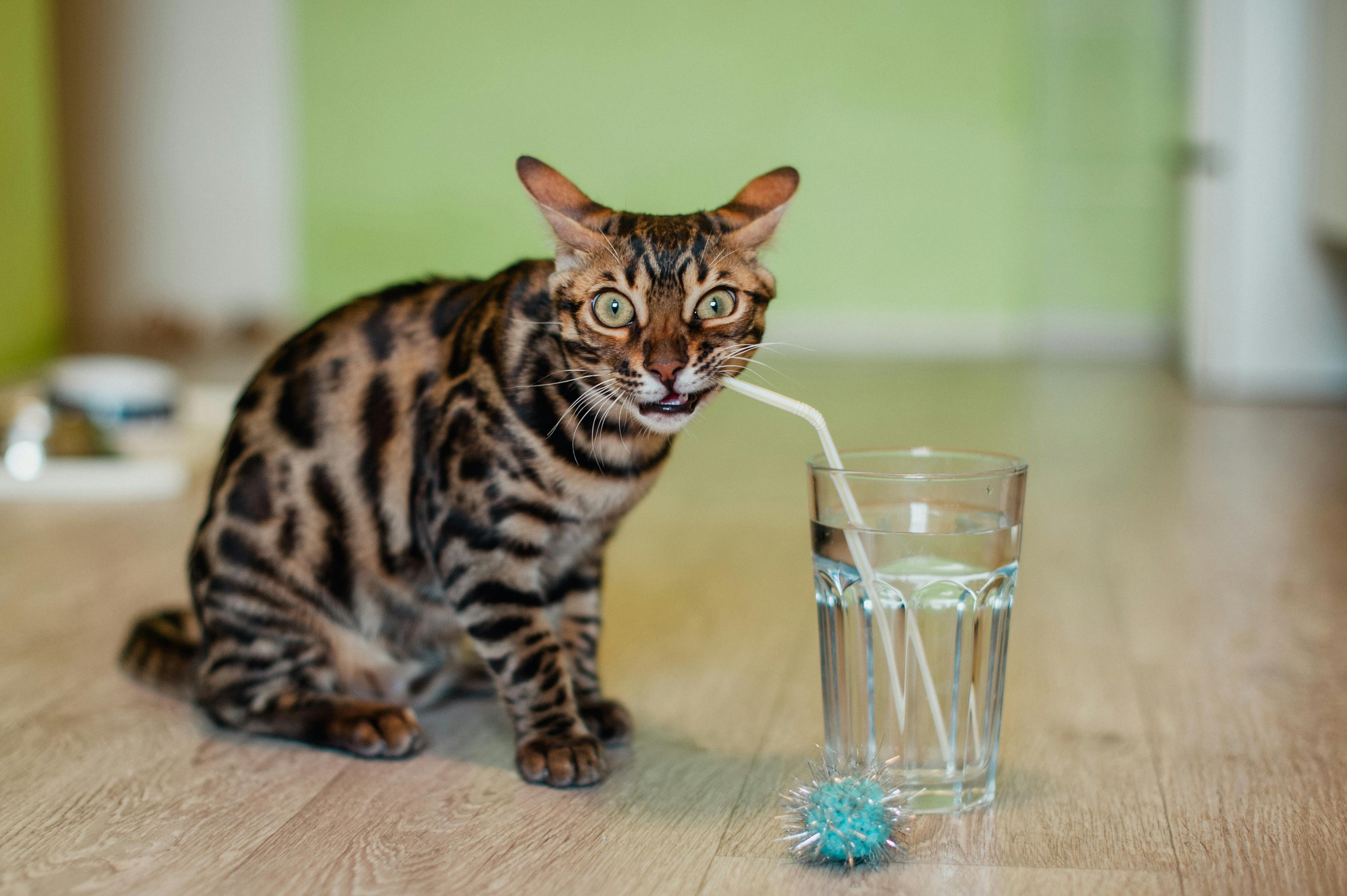
Cat drinking water with straw

Cats are often not great at drinking enough water, which can lead to health issues such as urinary tract infections and kidney problems. Here are some tips to encourage your cat to stay well hydrated:

  • Fresh water daily: Always provide clean, fresh water. Change it at least once a day.
  • Multiple water bowls: Place water bowls in different locations to encourage drinking.
  • Use a water fountain: Many cats prefer running water which can entice them to drink more.
  • Wet food: Incorporate wet cat food into their diet to increase moisture intake.
  • Clean bowls regularly: Dirty bowls can deter cats from drinking.

Keeping your cat hydrated supports kidney health, helps digestion, and maintains overall wellbeing. Make fresh water accessible and appealing to your feline friend!