This is default featured slide 1 title

Go to Blogger edit html and find these sentences.Now replace these sentences with your own descriptions.This theme is Bloggerized by Lasantha Bandara - Premiumbloggertemplates.com.

This is default featured slide 2 title

Go to Blogger edit html and find these sentences.Now replace these sentences with your own descriptions.This theme is Bloggerized by Lasantha Bandara - Premiumbloggertemplates.com.

This is default featured slide 3 title

Go to Blogger edit html and find these sentences.Now replace these sentences with your own descriptions.This theme is Bloggerized by Lasantha Bandara - Premiumbloggertemplates.com.

This is default featured slide 4 title

Go to Blogger edit html and find these sentences.Now replace these sentences with your own descriptions.This theme is Bloggerized by Lasantha Bandara - Premiumbloggertemplates.com.

This is default featured slide 5 title

Go to Blogger edit html and find these sentences.Now replace these sentences with your own descriptions.This theme is Bloggerized by Lasantha Bandara - Premiumbloggertemplates.com.

Showing posts with label Health & Care. Show all posts

How to keep your cat cool in summer

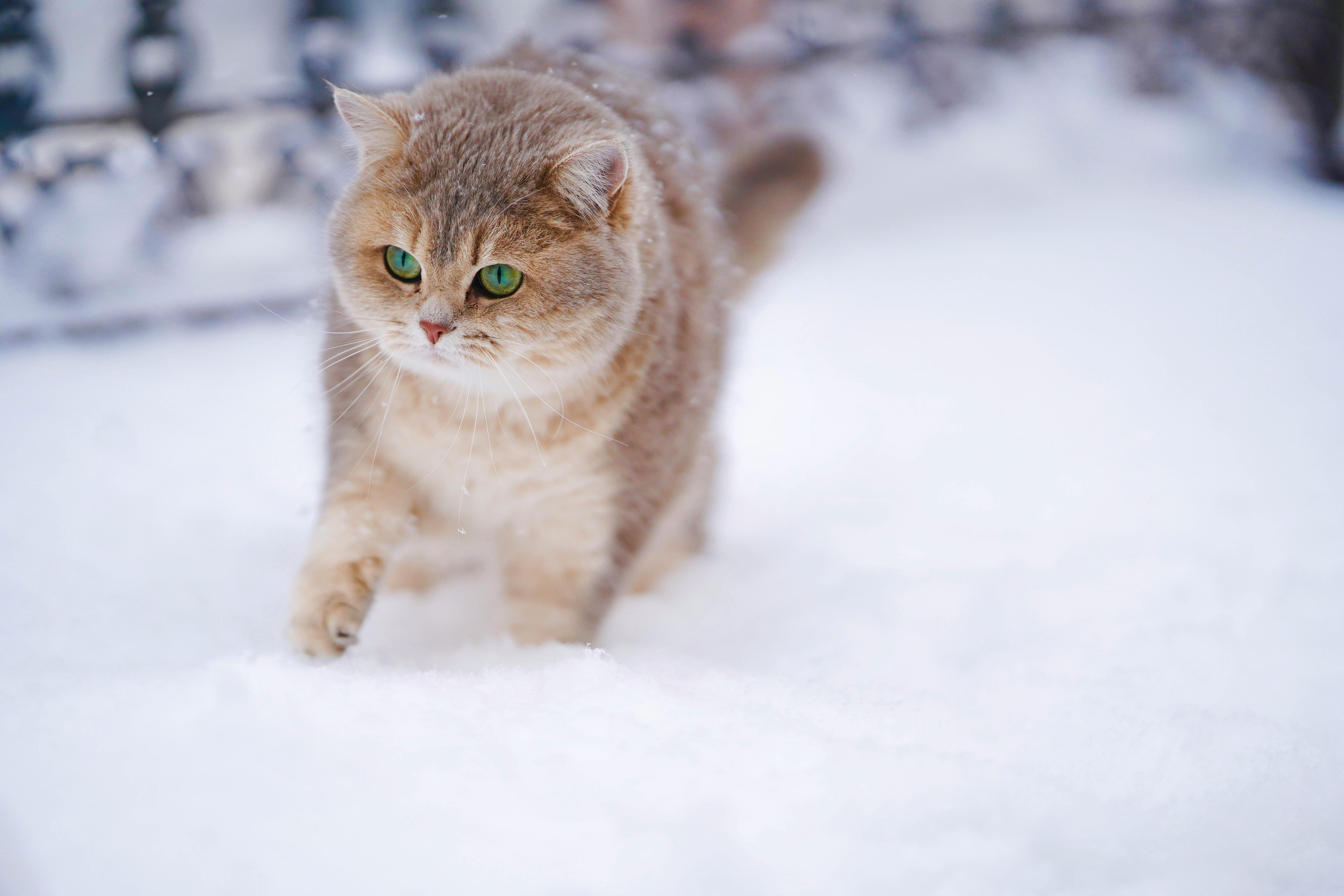
Cat on snow-covered ground

Summer’s here—and while we’re reaching for cold drinks and cranking up the AC, our furry friends can struggle with the heat. Cats are usually heat-tolerant, but extreme temps can put them at risk of dehydration, heatstroke, and discomfort.

Here’s how to keep your cat cool, safe, and chill all summer long:

๐Ÿ’ง 1. Hydration Is Key

Always provide fresh, clean water. Add multiple bowls around your home, or better yet—invest in a pet water fountain. Cats love running water and drink more when it’s moving!

๐ŸงŠ 2. Ice, Ice, Kitty

Drop a few ice cubes in your cat’s water bowl. You can also freeze tuna water or chicken broth (no salt!) in ice cube trays for a cool treat.

๐ŸŒฌ️ 3. Fans & Breeze Zones

Set up a fan in rooms your cat likes to lounge in. Open screened windows or turn on ceiling fans for airflow. Some cats even enjoy laying in front of a box fan like it’s their personal AC.

๐ŸŒด 4. Create Shady Hideouts

Make sure your cat has shady spots to escape the sun. Place cardboard boxes or cat beds in darker corners of your home. Cooling mats or tiles also make great napping surfaces.

๐Ÿ˜ด 5. Limit Play During Peak Heat

Avoid intense playtime during the hottest part of the day (noon to 4 PM). Schedule energetic activities for the cooler mornings or evenings.

๐Ÿชถ 6. Light Grooming

Brushing out loose fur can help your cat feel cooler. Skip any shaving—your cat’s coat helps regulate body temperature and prevents sunburn!

๐Ÿšซ 7. Never Leave Cats in Cars

Even for a minute. The temperature inside a parked car can skyrocket in seconds—even with the windows cracked.

๐Ÿšจ 8. Know Heatstroke Signs

  • Panting
  • Lethargy
  • Drooling
  • Vomiting
  • Bright red gums

If you see these symptoms, get your cat to a cool place and call your vet immediately.

✨ Final Chill

Your cat may not ask for a popsicle, but they still need summer care! Keep them cool, hydrated, and shaded—and you’ll both enjoy the sunny season stress-free.

Share your kitty’s summer vibes using #CoolCatSummer and tag us for a chance to be featured! ๐Ÿ˜บ☀️

Preparing for Your Cat’s First Vet Visit

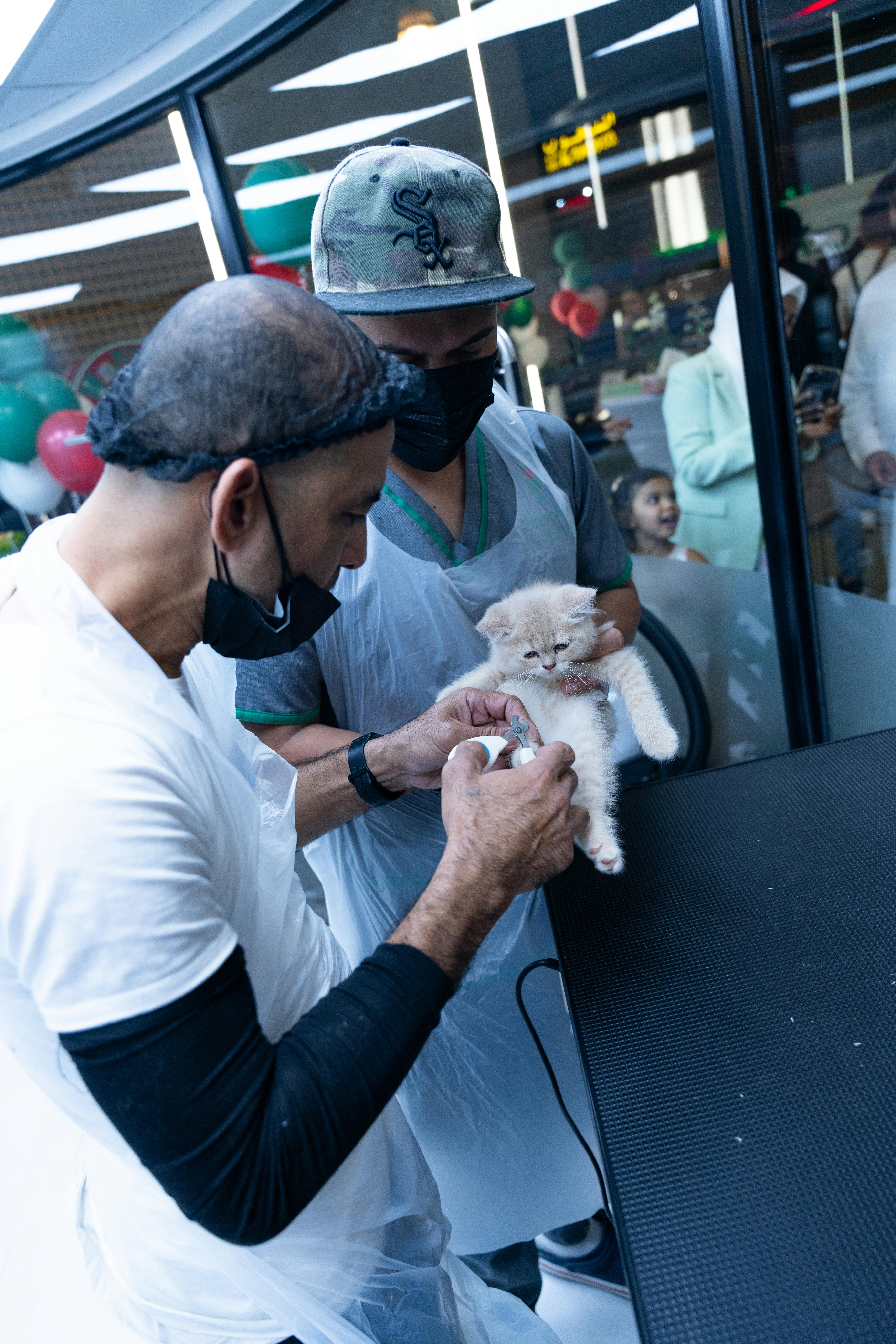
Veterinarians taking care of a fluffy kitten

Bringing your cat to the vet for the first time can be nerve-wracking—for both of you! But with a little prep, it can be a smooth, positive experience that sets your feline up for a lifetime of good health.

๐Ÿ‘œ 1. Choose the Right Carrier

A sturdy, well-ventilated carrier is essential. Soft-sided or top-loading carriers make it easier to get your cat in and out. Leave it open in your home a few days before the visit so your cat gets used to it.

๐Ÿ“‹ 2. Bring Important Info

Pack any adoption records, previous medical history (if available), and a list of questions or concerns. Don’t forget your cat’s ID tag or microchip info if applicable.

๐Ÿพ 3. Keep It Calm

Use a towel or soft blanket in the carrier to comfort your cat. Spraying the inside with a calming pheromone like Feliway 15 minutes before travel can help reduce anxiety.

๐Ÿš— 4. Travel Smart

Secure the carrier in the back seat with a seatbelt. Keep the car quiet and avoid sudden stops or loud music. Talk to your cat gently if they’re vocalizing—they’re just nervous.

๐Ÿง‘‍⚕️ 5. What to Expect

Your vet will check your cat’s weight, temperature, eyes, ears, teeth, heart, and general condition. Vaccinations, parasite prevention, and microchipping may also be discussed.

๐Ÿ“ฆ 6. Bring Familiar Items

A favorite toy or blanket can help soothe your cat at the clinic. Even your worn t-shirt might bring comfort—it smells like home.

๐Ÿ˜บ 7. Post-Visit Treats

Once you’re back, reward your cat with a treat, play session, or cuddle time. This helps create a positive association with the vet experience.

๐Ÿ’ฌ 8. Ask Questions!

First visits are a great time to ask about nutrition, behavior, litter box habits, and future care. Don’t be shy—your vet is your partner in your cat’s well-being.

✨ Final Meow

That first vet visit is a big milestone—for you and your kitty. With some prep and a calm attitude, you’ll lay the foundation for a lifetime of happy, healthy checkups. Remember, a little love and planning go a long way!

Have a first vet visit story? Share it in the comments or tag us using #FirstVetVisit! ๐Ÿพ

Tips for grooming your cat at home

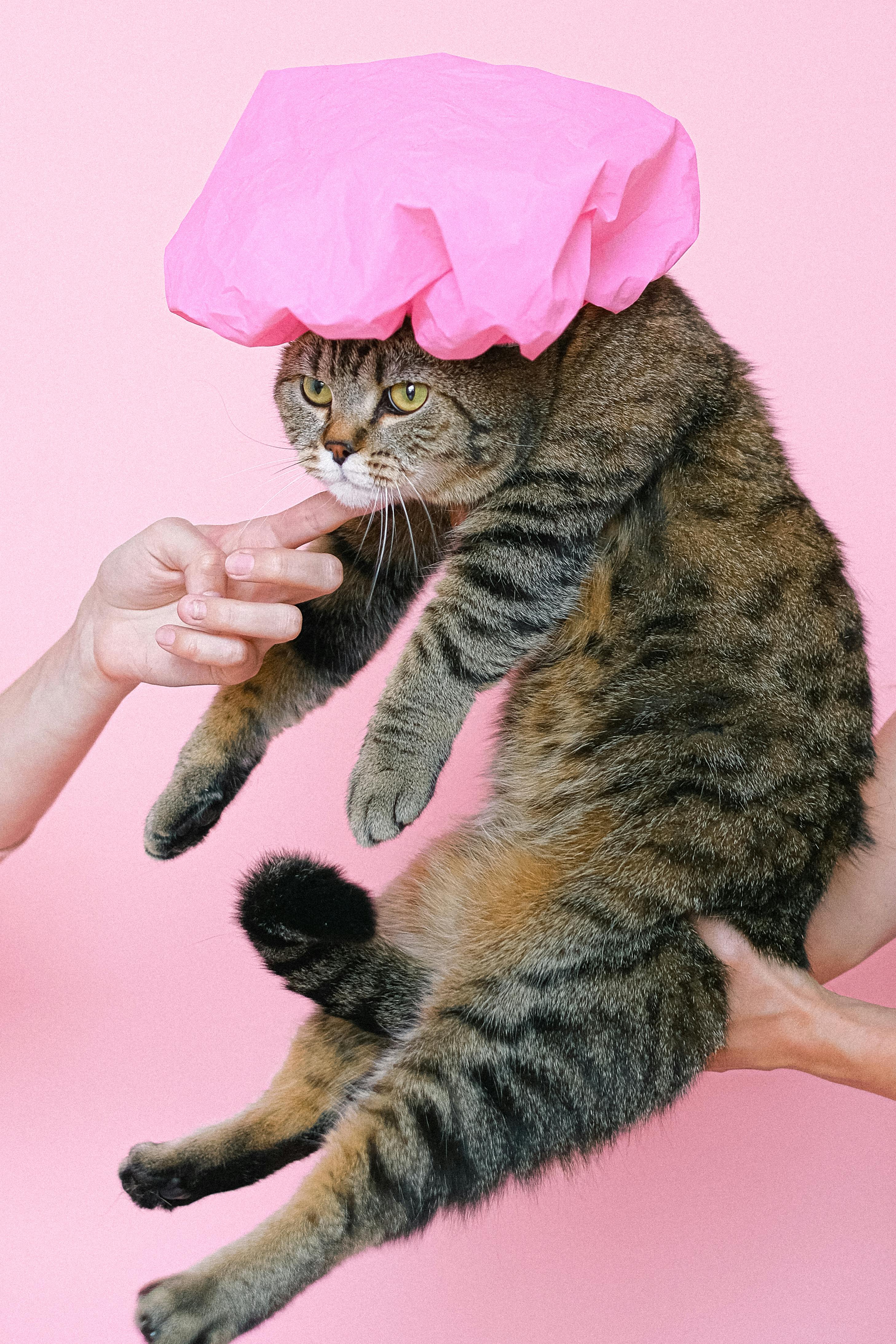
Brown tabby cat wearing shower cap

Your cat might not love spa day—but regular grooming keeps them healthy, happy, and looking purr-fect. Whether you’ve got a short-haired snuggler or a long-haired diva, these easy tips will turn grooming time into bonding time (or at least, reduce the drama).

๐Ÿงฝ 1. Brush Regularly

Brushing removes loose fur, prevents mats, and reduces hairballs. Try:

  • Short-haired cats: 1–2 times a week
  • Long-haired cats: Daily or every other day

Use a slicker brush or grooming mitt and always brush in the direction of the fur.

✂️ 2. Trim Those Claws

Overgrown claws can snag furniture—or you. Trim every 2–3 weeks using cat nail clippers. Avoid the pink “quick” inside the nail to prevent pain or bleeding.

Pro tip: Try trimming one paw at a time if your cat is wiggly.

๐Ÿงผ 3. Clean the Ears

Gently wipe the outer ear with a damp cotton pad or vet-approved ear cleaner. Avoid inserting anything deep—cats’ ears are sensitive and prone to damage.

๐Ÿ‘€ 4. Wipe the Eyes

Some cats, especially flat-faced breeds, may have tear stains. Use a clean, damp cloth or pet eye wipes to gently clean around the eyes.

๐Ÿšฟ 5. Bathe Only When Needed

Cats are self-cleaning pros. But if they get into something sticky or smelly, use a mild cat shampoo and warm water. Avoid human products—they can irritate feline skin.

๐Ÿชฅ 6. Dental Health Counts

Brush your cat’s teeth weekly with pet-safe toothpaste. Dental treats and water additives can also help keep tartar at bay.

๐Ÿ˜ป 7. Make It a Positive Experience

Reward your cat with treats, praise, and cuddles. Keep sessions short and sweet, especially if your cat is new to grooming.

✨ Final Furball

Grooming your cat at home doesn’t have to be a battlefield. With the right tools and a little patience, it can become a calming ritual that strengthens your bond—and keeps your kitty looking fabulous.

Got a grooming hack that works wonders? Share it in the comments or tag us using #HomeCatGrooming! ๐Ÿพ

Cat-Proof Your Home

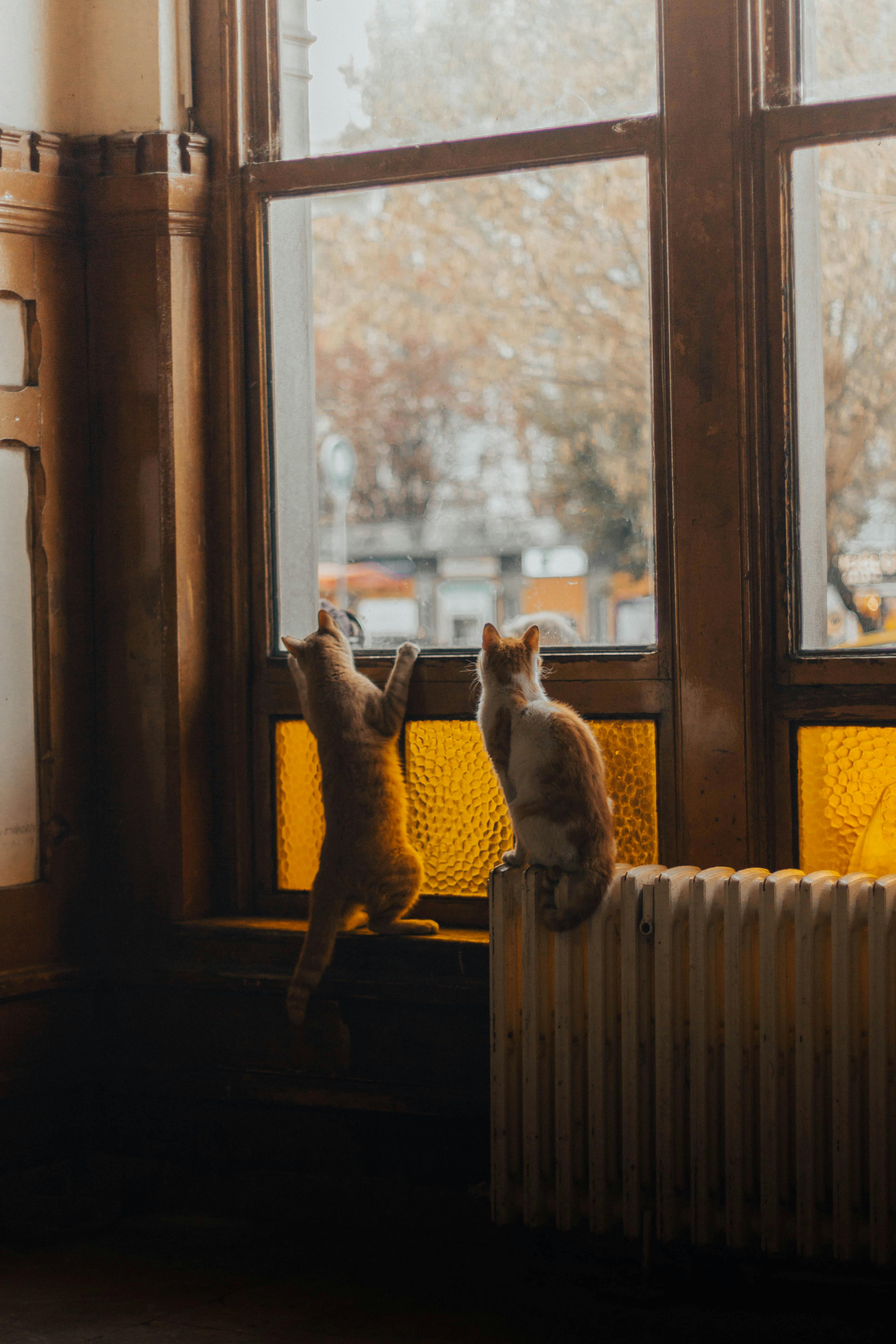
Two cats looking out a vintage window

So you've adopted a curious, mischievous, totally adorable ball of fluff—congratulations! Now it’s time to protect your home (and your sanity) from feline chaos. Cat-proofing isn’t about restricting fun—it’s about making your space safer for your pet and your belongings.

๐Ÿงผ 1. Hide the Toxic Stuff

Many common household items are harmful to cats. Keep these far out of reach:

  • Cleaning products (bleach, ammonia, etc.)
  • Human medications
  • Essential oils (tea tree, eucalyptus, citrus)
  • Houseplants like lilies, aloe, and pothos
Pro Tip: Store toxic items in cabinets with childproof latches.

๐Ÿ”Œ 2. Secure Cords and Cables

Cats love to chew cords like spaghetti. Use cord covers, PVC piping, or bitter apple spray to make them less appealing—and protect your tech!

๐ŸชŸ 3. Screen the Windows

Indoor cats love to sunbathe by the window. Make sure all windows have sturdy screens to prevent accidental falls, especially in multi-story homes.

๐Ÿ“ฆ 4. Lock Down Small Items

Rubber bands, hair ties, needles, and other tiny things can be swallowed or choked on. Store them in drawers or containers with lids.

๐Ÿ”ฅ 5. Watch Open Flames

Never leave candles, stoves, or fireplaces unattended. Cats are curious and quick—and a flickering flame is basically cat TV.

๐Ÿ›‹️ 6. Cover or Block Furniture Gaps

That tiny space behind your couch? Prime real estate for a hiding cat. Block off tight spaces where they could get stuck or disappear during stressful moments.

๐ŸŒฟ 7. Offer Cat-Friendly Alternatives

To discourage clawing your couch or knocking over your plants, give your cat their own:

  • Scratching posts & cardboard pads
  • Cat grass or catnip planters
  • Window hammocks or climbing shelves

๐Ÿงฉ 8. Keep Things Interesting

Many “naughty” behaviors come from boredom. Rotate toys, use treat puzzles, or build DIY cat towers to keep them stimulated (and less destructive).

๐Ÿšช 9. Close Off Unsafe Rooms

Bathrooms (toilet water), laundry rooms (detergents), or garages (tools and chemicals) should be off-limits unless fully cat-proofed.

✨ Final Meow

Cat-proofing your home doesn’t mean turning it into a bunker—it’s about creating a safe, enriching space where your cat can explore and thrive without danger. Think of it as interior design… but with a very opinionated roommate who walks on four legs.

Got a genius cat-proofing hack? Share it in the comments or tag us using #SafeAndSavvyCat! ๐Ÿพ

How to reduce stress in anxious cats

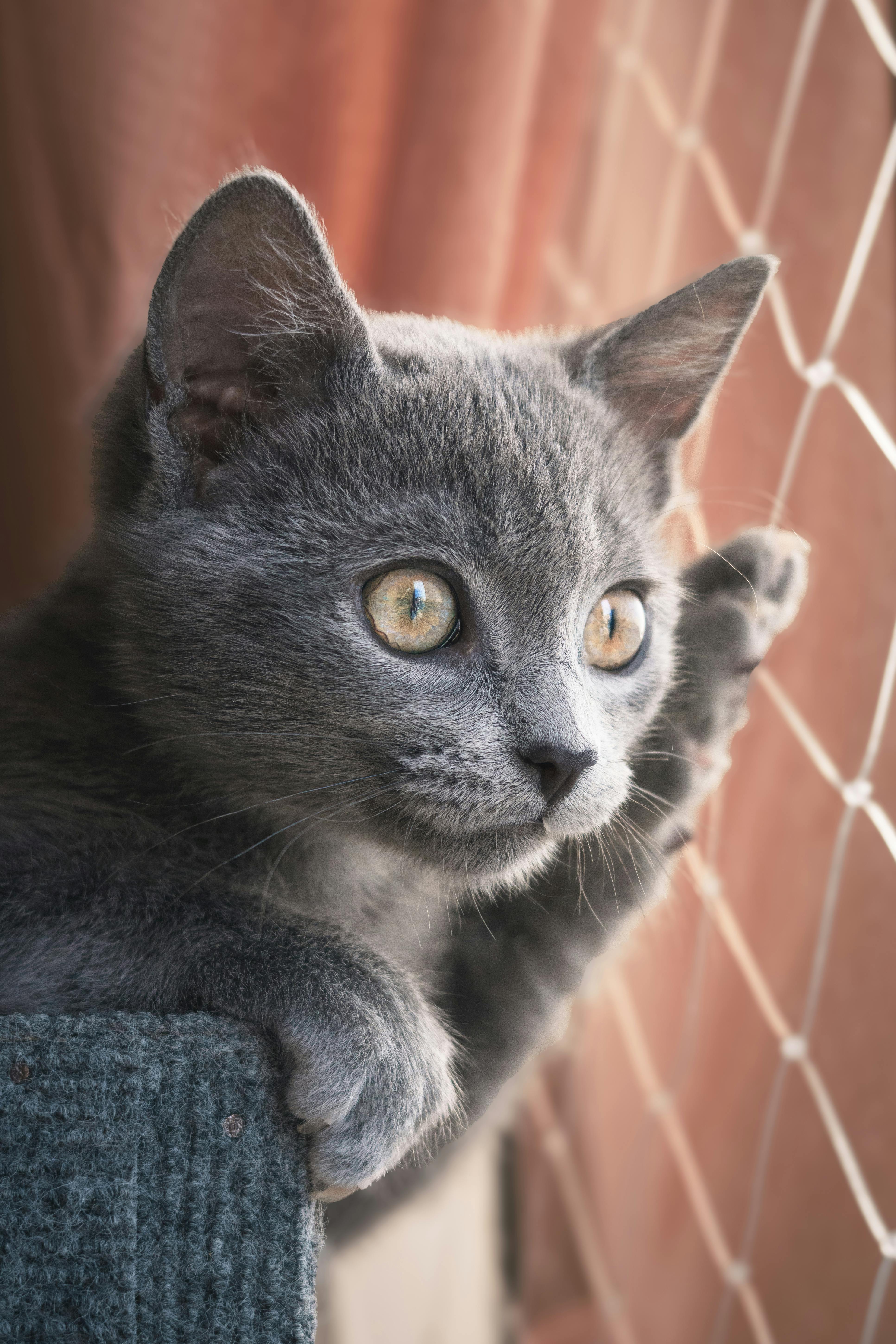
Gray cat looking out window

Calm the Cat

Is your feline friend hiding under the bed, flinching at every sound, or pacing like a little four-legged worrier? You're not alone—cats get stressed too. While they may not file taxes or sit through traffic, changes in environment, loud noises, or even boredom can crank up their anxiety levels.

Here’s how to help your anxious kitty feel safe, secure, and soothed—without needing a cat therapist on speed dial.

๐Ÿ›️ 1. Create Safe Zones

Cats crave control. Provide cozy hideouts—blanket forts, cat caves, or a box with a soft towel. High spots are also a win for stressed kitties.

Fact: Elevated spaces help cats feel secure by giving them a better view of their surroundings.

๐Ÿ’ 2. Use Calming Scents

Feliway diffusers, calming sprays, or even lavender-scented (pet-safe) pillows can ease tension. Cats use scent to mark safety—so soothing smells matter.

๐ŸŽต 3. Try Sound Therapy

Soft classical music or specially made cat relaxation playlists on YouTube or Spotify can create a calm vibe. Avoid sharp or sudden sounds.

Fun fact: Some cats prefer harp music. Fancy, right?

๐Ÿพ 4. Stick to Routines

Feed and play your cat around the same time each day. Predictable routines make them feel safe and grounded.

๐Ÿฑ 5. Gentle Play Sessions

Use feather wands or string toys to slowly engage them. Don’t overwhelm—just encourage curiosity. End with a treat to reinforce positivity.

๐Ÿ’Š 6. Consider Natural Calming Aids

Options like cat-calming treats, CBD for pets (consult your vet first), or natural supplements like L-theanine can help.

๐Ÿšซ What Not to Do

  • Don’t force cuddles or handling—they’ll retreat more.
  • Don’t punish nervous behavior—it adds to the fear.
  • Don’t ignore changes in behavior—stress can hide medical issues.

๐Ÿ‘ฉ‍⚕️ 7. When to See the Vet

If your cat stops eating, grooms excessively, or hides for days on end, it might be more than anxiety. A vet check rules out physical problems.

✨ Final Meow

A calm cat is a happy cat—and a happy cat means a peaceful home.

Purrfect Love: A Designer’s Guide to Loving and Caring for Your Cat

๐Ÿพ 1. Love Them for Who They Are

Cat Love Photo Cats aren’t small dogs—they’re independent, expressive, and sometimes hilariously dramatic. Learn your cat’s love language. Some cats adore snuggles, others just want to sit near you and silently judge your design choices (like mine does). Respect their boundaries, celebrate their quirks, and they’ll give you trust—and love—in return.

๐Ÿฝ 2. Feed Them Well, Not Just Full

Cat Food Photo Healthy cats are happy cats. Choose high-quality food suited to their age and needs. Keep fresh water available at all times (a cat fountain is a great upgrade!). Treats are fun, but moderation is key. Bonus: a healthy diet makes for a shinier coat and fewer vet visits.

๐Ÿงผ 3. Clean Cat = Happy Cat

Cat Grooming Photo Scoop the litter box every day—trust me, your cat (and your nose) will thank you. Keep their litter box in a quiet, low-traffic area. Regular brushing (especially for long-haired cats) prevents mats and reduces shedding. Grooming is also a great bonding time.

๐Ÿง  4. Keep Them Stimulated

Cat Playing Photo A bored cat is a mischievous cat. Provide toys, climbing shelves, and interactive play. If you work from home, take a few breaks to play—it’s good for both of you. Cat TV (a window seat with a bird view) is also a hit!

๐Ÿ› 5. Create Safe, Cozy Spaces

Cat Bed Photo Cats love quiet spots where they feel safe. Set up cozy nooks with blankets or cat beds. Let them nap wherever makes them feel comfortable—even if it’s on your favorite sweater.
๐Ÿ’— 6. Show Daily Love

Cat Affection Photo Whether it’s a slow blink, a soft head boop, or simply sitting beside you while you work, cats show love in subtle ways. Return it with gentle petting, a soft voice, and time together. Love is felt in the small moments.

๐Ÿฉบ 7. Vet Visits Matter

Cat Vet Photo Routine checkups are essential. Even if your cat seems healthy, yearly vet visits help catch silent issues early. Spaying/neutering, vaccinations, and flea control are all part of responsible love. ✨ Final Thoughts: Love is in the Details Loving your cat isn’t just about the big gestures—it’s in the tiny things: the early morning feeding, the warm lap naps, the patient wait while they pick the perfect spot to sit. As a designer, I see beauty in details. As a cat parent, I feel love in them too. If your cat is your world, you’re not alone—and you’re doing great. Keep loving, keep caring, and enjoy every furry moment.
Safe Human Foods for Cats (And Which to Avoid)

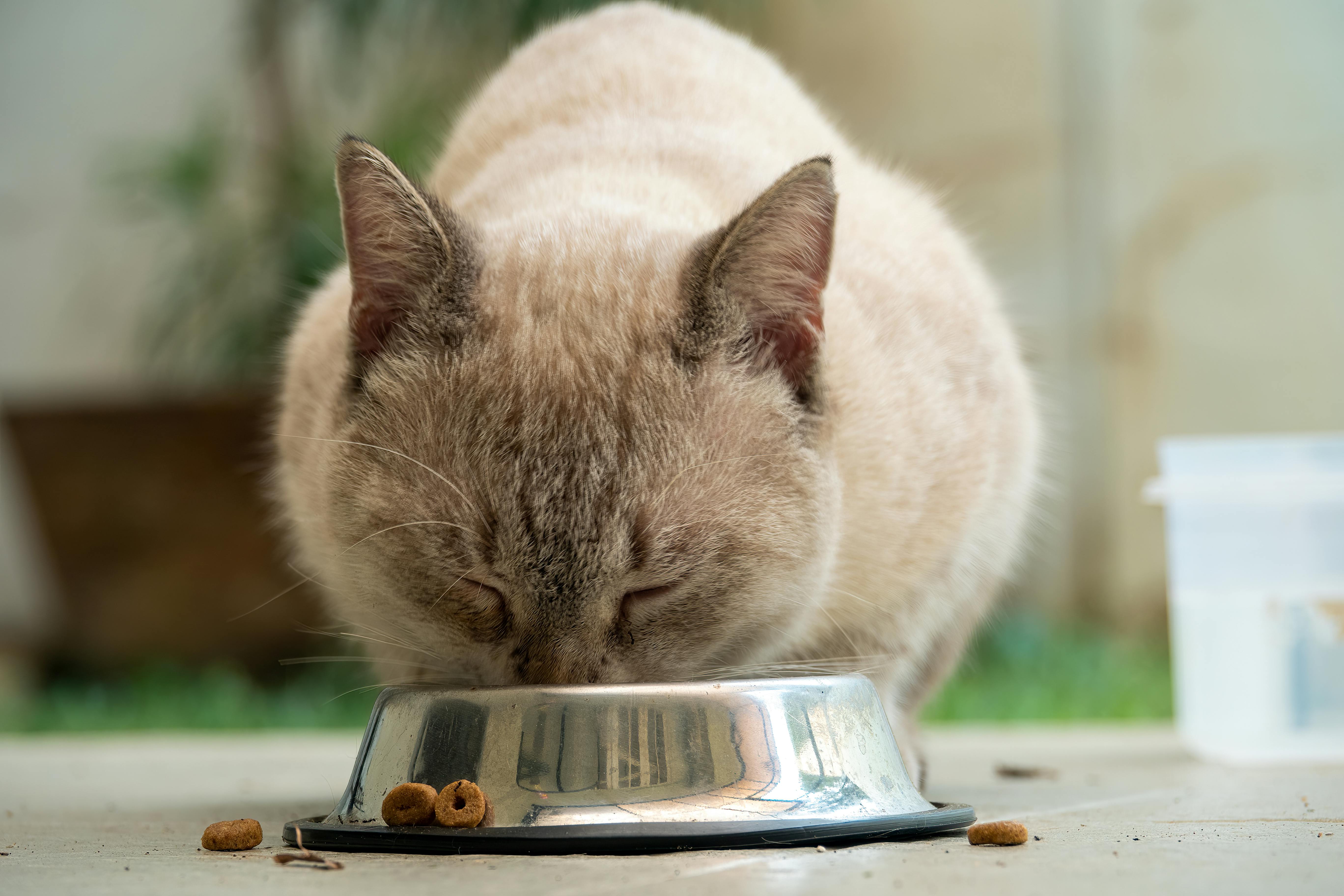
Siamese cat eating from metal bowl outdoors

While cats are obligate carnivores, some human foods can be safe and even beneficial for them in moderation. However, there are also common ingredients that can be toxic. Here's a quick guide:

✅ Safe in Moderation

  • Cooked Chicken: Plain, boneless, and skinless chicken is a great protein source.
  • Salmon: Cooked salmon offers healthy omega-3s — avoid raw or seasoned versions.
  • Carrots & Peas: Steamed or soft, they can be a healthy treat.
  • Pumpkin: A good fiber source that can help with digestion.
  • Cooked Eggs: Rich in protein, but always cooked — never raw.

๐Ÿšซ Foods to Avoid

  • Onions & Garlic: Highly toxic and can cause anemia.
  • Chocolate: Even small amounts can be deadly.
  • Alcohol & Caffeine: Dangerous for a cat’s nervous system and organs.
  • Raw Dough or Yeast: Can expand in their stomach and cause severe pain or poisoning.
  • Dairy: Most adult cats are lactose intolerant, leading to digestive issues.

Always consult your vet before introducing new foods. Treats should be occasional, and your cat’s main diet should be nutritionally complete and species-appropriate.

๐Ÿฑ Common Physical and Behavioral Abnormalities in Cats

Close up of cat eyes Cat face with potential eye issue Sick or sad looking cat Sleeping or weak cat

Cats are masters at hiding pain and discomfort. Their instincts tell them to act normal, even when they’re feeling far from it. This makes it especially important for cat owners to be vigilant. Subtle changes in a cat’s appearance or behavior can often be early warning signs of illness or injury.

Here’s a complete breakdown of physical and behavioral abnormalities to watch for in your feline companion—and why they matter.

๐Ÿ‘️ Eye Abnormalities

  • Cloudy eyes (may indicate cataracts or infections)
  • Uneven pupils or one dilated pupil
  • Excessive discharge or crust
  • Swelling, redness, or sunken appearance
  • Third eyelid showing frequently

๐Ÿ‘‚ Ear Issues

  • Dark brown or black discharge (may indicate ear mites)
  • Bald patches or scabs
  • Constant scratching or tilting of the head
  • Foul odor from the ears

๐Ÿพ Limb and Movement Issues

  • Limping or favoring a leg
  • Swollen paws or joints
  • Tremors or twitching
  • Difficulty jumping or climbing
  • Muscle wasting in legs or hips

๐Ÿฆท Mouth & Facial Concerns

  • Bad breath (halitosis)
  • Drooling or pawing at the mouth
  • Red, swollen gums
  • Missing or broken teeth
  • Swelling in cheeks or jaw

๐Ÿง‍♀️ Body & Posture Changes

  • Hunched back or reluctance to move
  • Swollen abdomen
  • Asymmetrical body shape
  • Visible ribs/spine (possible malnutrition)
  • Lumps or bumps under the skin

๐Ÿงด Skin & Fur Conditions

  • Bald patches or uneven fur loss
  • Excessive dandruff or greasy coat
  • Persistent scratching or over-grooming
  • Red, irritated skin or rashes
  • Lumps, sores, or unusual growths

๐Ÿ•‍๐Ÿฆบ Tail Trouble

  • Limp or drooping tail
  • Sudden aggression when touched
  • Fur loss or wounds

๐Ÿง  Behavioral Abnormalities

  • Hiding more than usual
  • Sudden aggression or fear
  • Loss of litter box habits
  • Excessive vocalization
  • Changes in appetite or thirst
  • Excessive sleeping or lethargy

๐Ÿฉบ When to See the Vet

If your cat shows any of the above signs persistently or suddenly, don’t wait. Early intervention can prevent bigger health issues down the road. Always trust your instincts—you know your cat best.

❤️ Final Thoughts

Understanding your cat’s body language and physical signals is part of being a responsible and loving cat parent. Regular checkups, proper diet, and attention to subtle changes can go a long way in ensuring your kitty lives a happy, healthy life.

Homemade Cat Treat Recipes

White cat staring at a tray of snacks

Making your own cat treats is a fun and healthy way to show love to your feline friend. Below are a few simple, vet-approved recipes you can try at home using ingredients you may already have in your kitchen.

๐ŸŸ 1. Tuna & Oat Bites

Ingredients:

  • 1 can of tuna in water (drained)
  • 1 egg
  • 1 cup oat flour

Instructions: Preheat oven to 180°C (350°F). Mix all ingredients, form small balls, place on parchment-lined tray, and bake for 10–12 minutes until firm. Let cool before serving.

๐Ÿ” 2. Chicken Crunchies

Ingredients:

  • 1/2 cup cooked chicken breast (shredded)
  • 1 tablespoon olive oil
  • 1 tablespoon catnip (optional)
  • 1/2 cup whole wheat flour

Instructions: Combine all ingredients into a dough. Roll out and cut into small shapes. Bake at 180°C (350°F) for 12–15 minutes. Store in an airtight container.

๐Ÿง€ 3. Cheesy Cat Nips

Ingredients:

  • 1/4 cup grated cheddar cheese
  • 1/4 cup plain yogurt
  • 1/2 cup flour

Instructions: Mix ingredients, roll into small balls, flatten slightly, and bake at 180°C (350°F) for 10–12 minutes. Let them cool completely before serving.

๐ŸŽฏ Tip: Always serve treats in moderation and consult your vet before introducing new ingredients to your cat’s diet.

DIY Cat Toys & Enrichment Ideas

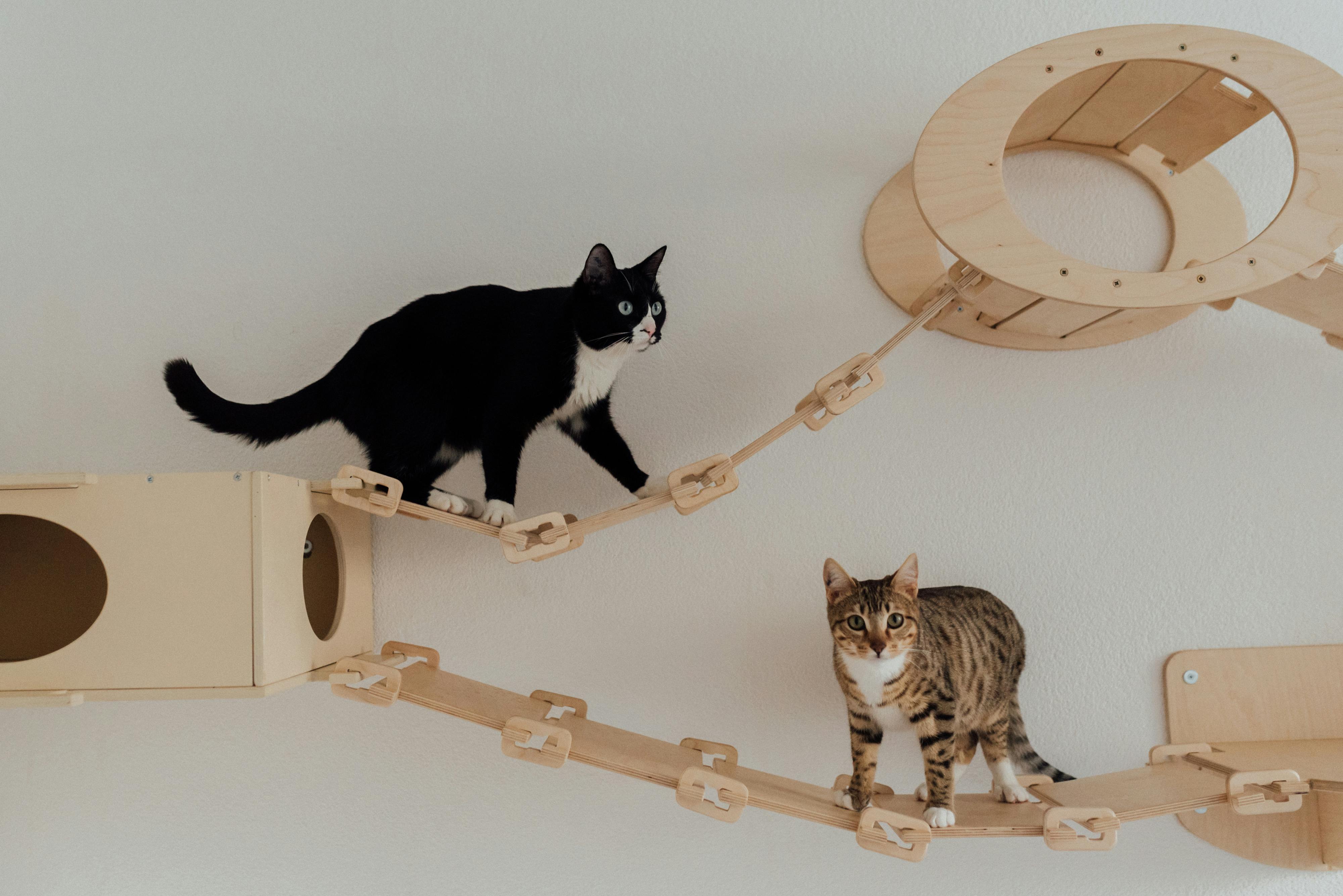
Cats on wall-mounted play house

Your cat may sleep 16 hours a day—but the other 8? That’s prime time for mischief, zoomies, and zoom call photobombs. Keeping your kitty stimulated isn’t just fun—it’s essential for their physical and mental health. The best part? You can do it yourself, often with stuff lying around the house.

๐ŸŽ 1. Toilet Paper Roll Treat Puzzle

Save a few toilet paper rolls. Stuff them with kibble or treats and fold the ends shut. Let your cat bat them around to discover the goodies inside!

Why it works: Encourages hunting instincts and keeps boredom at bay.

๐Ÿญ 2. Sock Mice (No Sewing Required!)

Take an old sock, fill it with crumpled newspaper or fabric scraps, add a sprinkle of catnip, and tie the end with a string. Instant toy!

Tip: Use different textures to find what your cat loves most.

๐Ÿ“ฆ 3. The "Cat Castle" Box Fort

Got delivery boxes piling up? Create a multi-level cardboard fort by cutting entry holes and stacking boxes. Add blankets inside for comfy hiding spots.

Fact: Cats love vertical space—it gives them a sense of security and control.

๐Ÿ”ฎ 4. Treat Bottle Rattle

Take a clean plastic bottle, poke a few holes just large enough for treats to fall through, and fill with kibble. Let your cat roll it around to "hunt" the rewards.

๐Ÿพ 5. Window Watching Station

Place a comfy perch near a window. Add a bird feeder outside if possible for built-in Cat TV!

Why it’s enriching: Visual stimulation keeps indoor cats mentally active.

Litter Box Fix

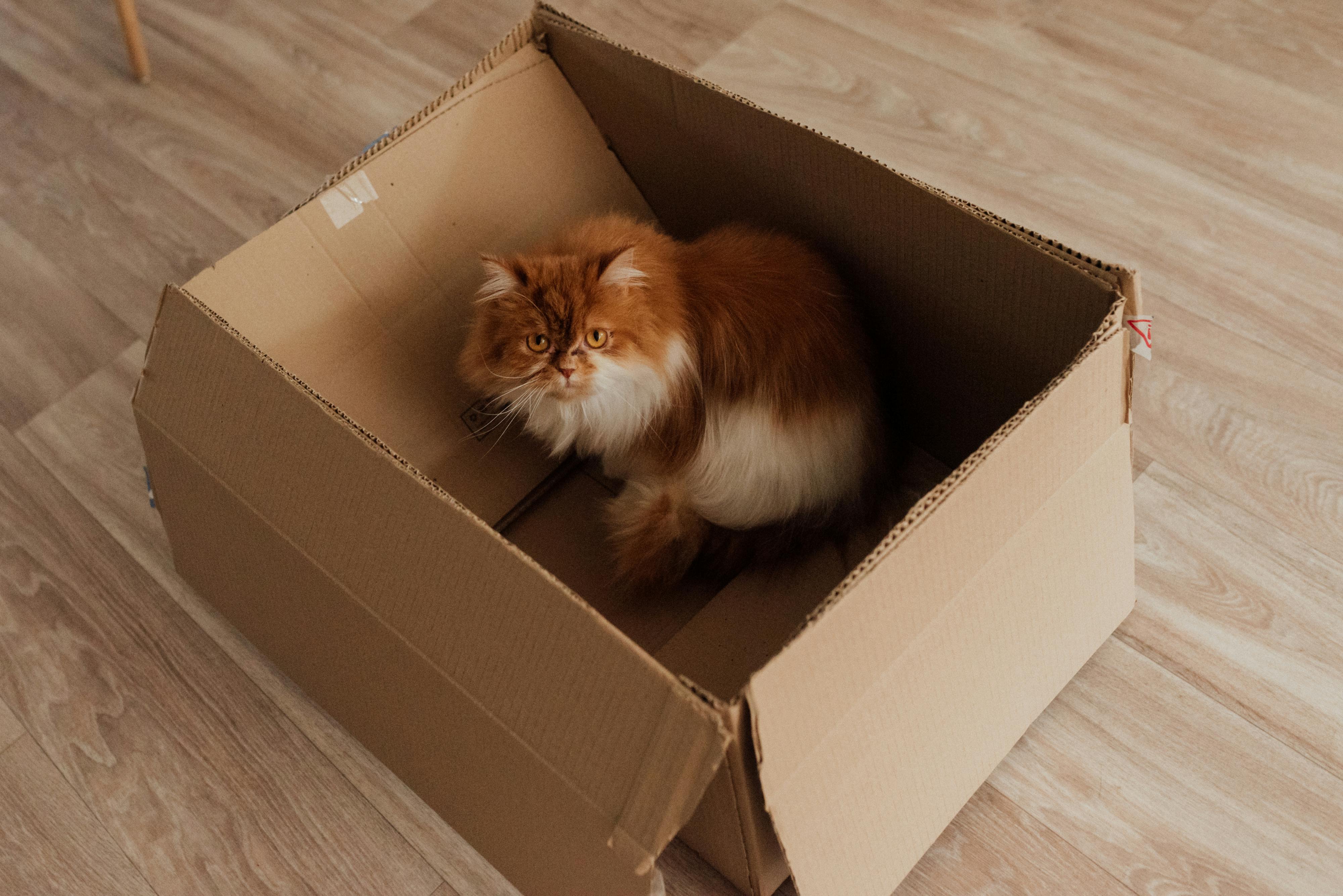
White and orange cat in brown cardboard box

One of the most frustrating cat problems for pet parents? Litter box issues. From peeing outside the box to total litter rejection, it can feel like a messy mystery. But don’t panic—most problems have simple solutions, and your cat isn’t trying to sabotage your carpet on purpose.

๐Ÿšฝ 1. Start with the Basics: Cleanliness

Would you want to use a bathroom that hasn’t been cleaned in days? Neither does your cat. Scoop at least once daily and fully replace litter weekly. A clean box can make all the difference.

๐Ÿ  2. Add More Boxes

The golden rule: one litter box per cat, plus one extra. Got two cats? That’s three boxes. Spread them out in different parts of the house for privacy and access.

๐ŸŒฟ 3. Litter Type Matters

Some cats are picky about texture or scent. Try switching to unscented, clumping litter. Test a few types to see what your cat prefers—sometimes it's that simple!

๐Ÿ“ 4. Check Box Placement

Noisy laundry rooms, high-traffic areas, or spaces near loud appliances can spook your cat. Place litter boxes in quiet, accessible, and private spots.

๐Ÿงผ 5. Avoid Strong Cleaners

Harsh-smelling disinfectants can repel your cat. Use pet-safe, unscented cleaners to wipe down the box, and avoid bleach or citrus-based sprays.

๐Ÿพ 6. Address Medical Issues

If your cat suddenly stops using the litter box, it could be a health issue—like a urinary tract infection or bladder stones. Always consult a vet if the behavior is new or unusual.

๐Ÿ˜ฟ 7. Behavioral Triggers

Stress, territorial issues, or changes in the home (like new pets or moving) can disrupt litter habits. Try Feliway diffusers or calming routines to ease anxiety.

๐Ÿ“ 8. Size & Accessibility

Tiny litter boxes are a no-go for big cats. Also, older or arthritic cats may struggle with high-sided boxes. Try a larger or low-entry model to help them out.

✨ Final Scoop

Litter box issues aren’t a lost cause. With a bit of detective work and empathy, you can turn your cat’s toilet troubles into smooth sailing. Remember—your cat isn’t being naughty, they’re trying to tell you something.

Got a tried-and-true litter tip? Drop it in the comments or share with #LitterBoxFix so others can benefit! ๐Ÿพ

Why the Siamese Cat is Considered the Most Intelligent Cat Breed

Brown cat sitting calmly

If you're searching for a feline companion with brains and personality, look no further than the Siamese cat. Renowned for their intelligence, social nature, and curiosity, Siamese cats have captured the hearts of cat lovers worldwide—and there’s plenty of reasons why they top the charts as the smartest breed.


๐Ÿ’ก What Makes the Siamese Cat So Intelligent?

  • Problem-Solving Skills: Siamese cats are quick learners. They can figure out how to open doors, solve simple puzzles, and find creative ways to get what they want. Chewy
  • Vocal and Communicative: Siamese cats “talk” with their owners using a variety of sounds and tones, often carrying on what feels like a conversation. This social intelligence is a sign of a smart mind. Purina
  • Trainability: Unlike some other breeds, Siamese cats can be trained to perform tricks, walk on a leash, or even play fetch. Their eagerness to engage and please makes training easier. Hill's Pet Nutrition
  • Curiosity and Exploration: These cats love to explore and investigate new environments, keeping their minds active and sharp. The Vets

๐Ÿพ Personality Traits of Siamese Cats

Besides being brainy, Siamese cats are affectionate and loyal. They thrive on social interaction and often follow their owners around the house, eager to be part of the action. This breed demands attention and stimulation, which keeps their clever minds busy. Cattylicious


๐Ÿก Is a Siamese Cat Right for You?

While their intelligence and sociability are wonderful, Siamese cats require time, engagement, and companionship. They are not content to be left alone for long periods and benefit from interactive toys, puzzle feeders, and playtime with their humans. The Vets

If you’re ready for a lively, intelligent companion who will keep you entertained and emotionally connected, a Siamese cat might be the perfect choice.


๐Ÿ“š Final Thoughts

The Siamese cat's blend of intelligence, social skills, and affectionate personality make them stand out among feline breeds. Their playful and curious nature not only makes living with them rewarding but also challenges owners to engage their clever minds daily.

Adopting a Siamese means welcoming a cat that will captivate you with both their smarts and heart.

Best Supplements for Senior Cats

Woman holding tuxedo cat

As cats age, their nutritional needs change, and supplements can help support their health, mobility, and overall well-being. Here’s a list of some of the best supplements to consider for your senior feline friend:

1. Omega-3 Fatty Acids

Omega-3s, often found in fish oil, help reduce inflammation, support joint health, and improve skin and coat condition.

2. Glucosamine and Chondroitin

These supplements promote joint health and mobility, especially useful for cats with arthritis or stiffness.

3. Probiotics

Probiotics support digestive health by balancing gut bacteria, which can improve nutrient absorption and reduce gastrointestinal issues.

4. Antioxidants

Supplements like vitamins C and E help combat oxidative stress, supporting overall cellular health and immune function.

5. Taurine

Taurine is an essential amino acid for cats that supports heart health, vision, and reproductive function.

6. B Vitamins

B vitamins assist with energy metabolism and nervous system health, which can decline with age.

Important Tips

  • Always consult your veterinarian before starting any supplement regimen.
  • Use supplements formulated specifically for cats, not dogs or humans.
  • Monitor your cat for any changes or side effects when introducing new supplements.

With the right supplements and care, senior cats can enjoy a comfortable and happy life well into their golden years.

๐Ÿพ The Working Life of a Service Cat: Average Years in Emotional Support & Beyond ๐Ÿ•ฐ️

A white cat in the woods with green leaves

Cats have long been cherished companions for their calming presence and emotional support. While dogs are more commonly associated with service work, cats also provide valuable emotional and therapeutic assistance to many individuals, especially those struggling with anxiety, PTSD, or depression. But have you ever wondered—how long do cats live in service?

Let’s explore the lifespan of service cats, their roles, and how to ensure their health and happiness throughout their journey.

๐Ÿง  What Is a Service Cat?

While cats cannot legally be registered as service animals under the Americans with Disabilities Act (ADA), they can be recognized as Emotional Support Animals (ESAs) or even as therapy cats in hospitals, nursing homes, and homes with people who need mental or emotional support.

These cats are trained (formally or naturally adapted) to:

  • Provide comfort during anxiety attacks
  • Cuddle to relieve loneliness or trauma
  • Soothe individuals with sensory processing issues
  • Help establish daily routines for those with mental illness
  • Offer affection and calmness in clinical settings

⏳ Average Lifespan of a Cat in Service

๐Ÿˆ General Cat Lifespan:

Most domestic cats live 12 to 18 years, with many reaching their 20s with proper care. The Guinness World Record for the oldest cat goes to Creme Puff, who lived an astounding 38 years!

๐Ÿ›Ž️ Service Lifespan:

A cat offering emotional support or therapy typically "serves" from around 1 year old (after full maturity) up to 10 to 15 years, depending on:

  • Health
  • Temperament
  • Stress levels in their environment
  • Type of support required

After around age 12, most service cats may retire from active roles, especially if their health begins to decline or they start showing signs of fatigue or overstimulation.

❤️ Tips to Extend Your Service Cat's Life

  • Routine Vet Visits:
    Early detection of illness can make a big difference.
  • Proper Nutrition:
    Feed age-appropriate, vet-recommended food to support brain and joint health.
  • Mental & Emotional Health:
    Service work can be emotionally taxing for cats too. Provide quiet time and personal space regularly.
  • Play & Enrichment:
    Keep them active and stimulated through toys, climbing spaces, and bonding time.
  • Stress Management:
    Avoid overwhelming environments. Respect their signals—they’re not machines!

๐Ÿ’ค When Do Service Cats Retire?

Just like people, cats deserve retirement too. Signs a service cat is ready to retire include:

  • Loss of interest in interaction
  • Hiding more often
  • Increased irritability or anxiety
  • Age-related illnesses or fatigue

A retired service cat still makes a wonderful companion—and often becomes even more affectionate once the pressure of “working” is lifted.

๐Ÿ’ฌ Final Thoughts: Years of Love and Loyalty

A service cat may live a long and fulfilling life, often serving in a supportive role for 10 to 15 years, sometimes more. Their ability to sense human emotion and provide warmth, purr therapy, and gentle companionship is unmatched.

If you're lucky enough to share your life with a cat like this, cherish every purr, blink, and soft paw touch—because they’re not just animals, they’re furry healers in disguise.

What to Expect When Adopting a Senior Cat

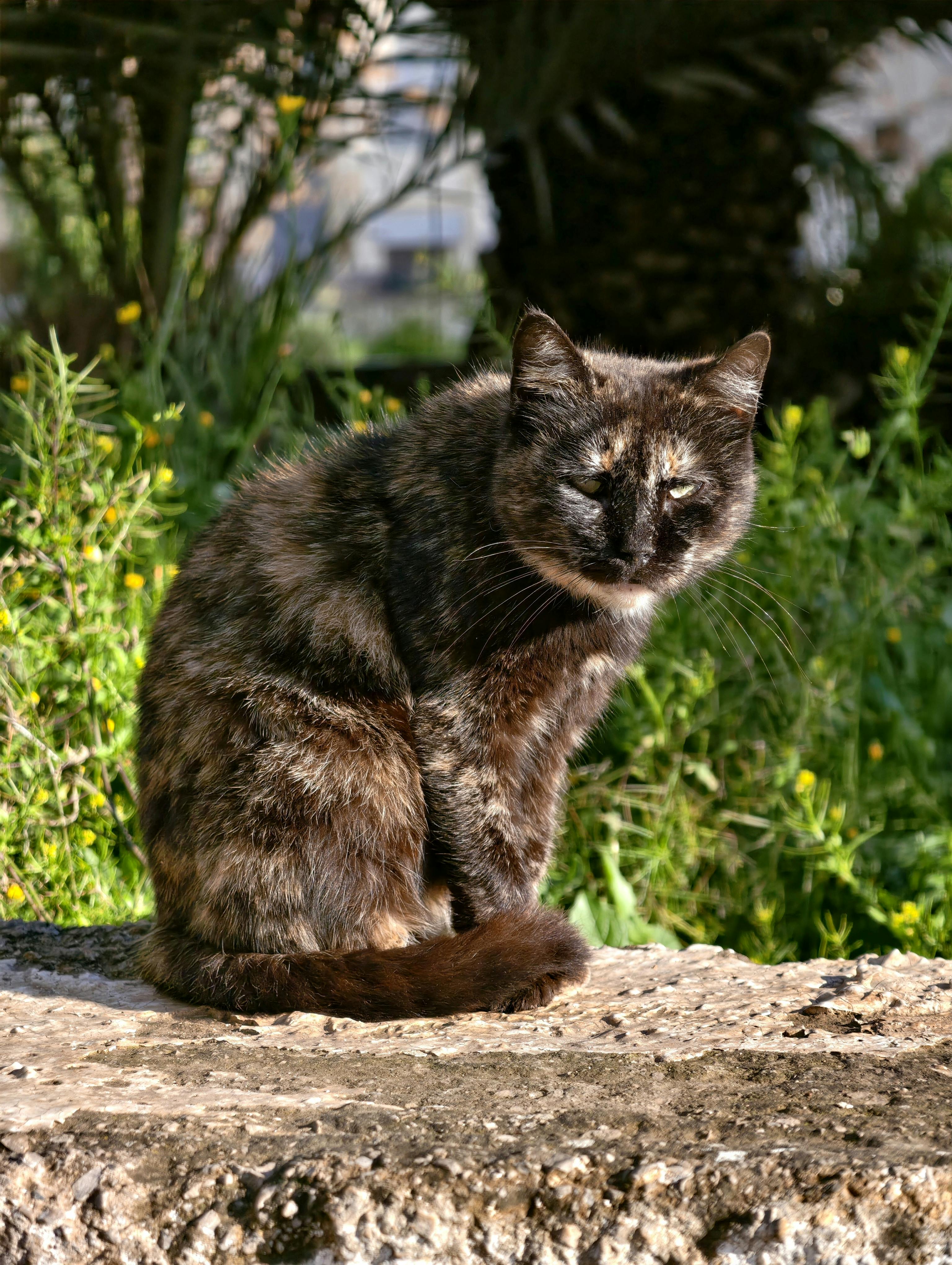
Tortoiseshell cat sunbathing outdoors in nature

Adopting a senior cat is a heartwarming and rewarding experience. Older cats often find themselves in shelters after years of loyal companionship, and they deserve a second chance at love and comfort. But what exactly should you expect when bringing a senior feline into your home?

1. Slower Pace, But Still Playful

Senior cats may not bounce around like kittens, but many still enjoy interactive toys and gentle play. Don’t underestimate their spark—some remain active well into their golden years!

2. Instant Companionship

Unlike younger cats who need time to grow and learn, senior cats often settle in quickly. Most are already litter-trained, accustomed to household routines, and simply looking for a warm lap and kind words.

3. Health Awareness

Older cats may need more frequent vet checkups, special diets, or medications. This isn't a burden—it's part of the love you give back. Be prepared for age-related conditions like arthritis, dental issues, or kidney care.

4. Unique Personality

With a senior cat, what you see is what you get. Their personality is already developed, so you’ll know right away if they’re a cuddler, a chatterbox, or a quiet observer.

5. Deep Gratitude

There’s something profoundly touching about the bond with a senior cat. They seem to know they’ve been given a second chance—and they return that kindness tenfold.

Final Thoughts

If you’re thinking about adoption, consider giving your heart to a senior cat. They may not have as many years ahead, but their love and loyalty will fill your life in a way that’s truly unforgettable.

๐Ÿ  Every cat deserves a loving home—especially the ones with a little more life experience. ๐Ÿพ

Hydration Tips: Why Cats Need Fresh Water Daily

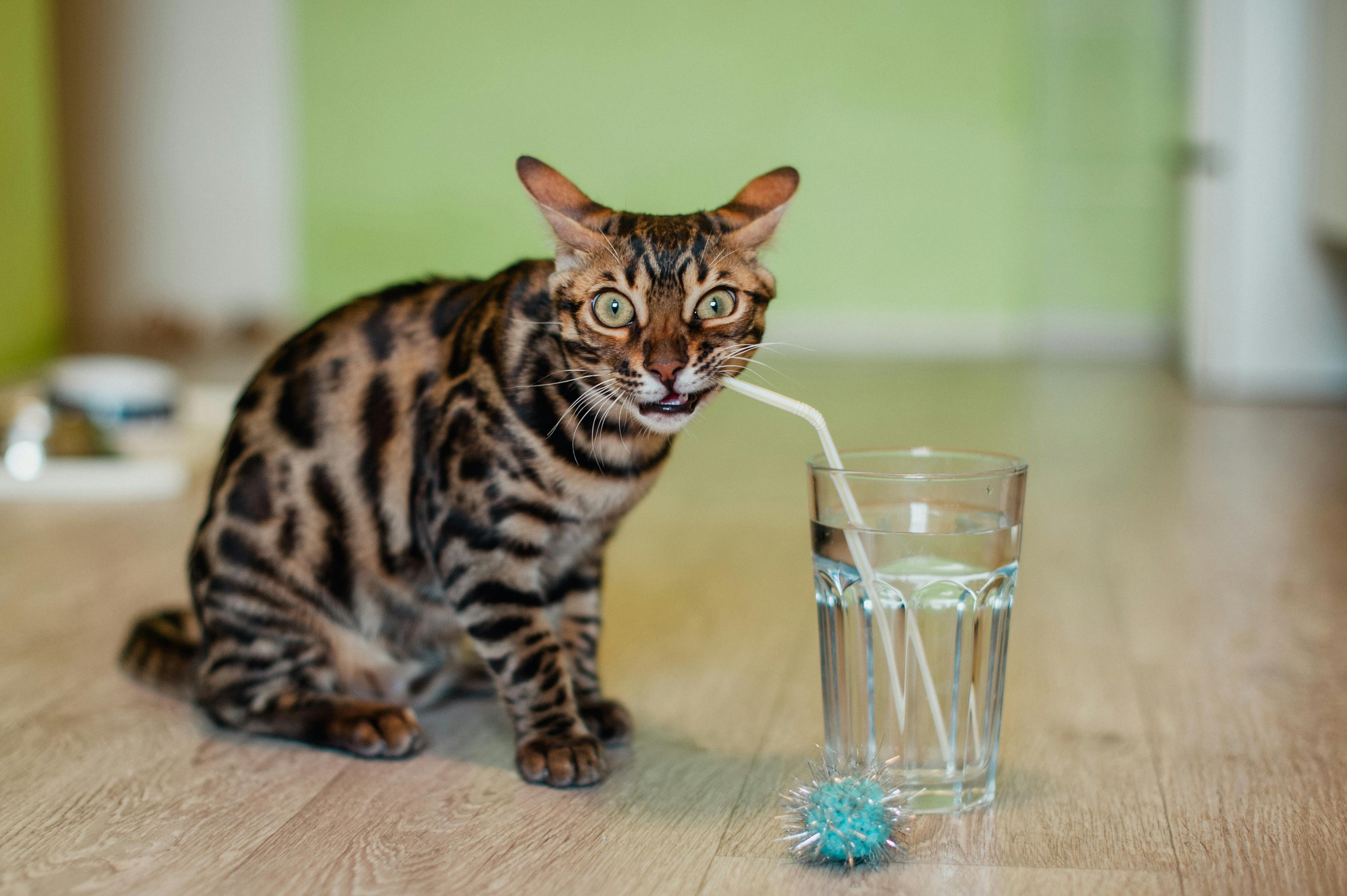
Cat drinking water with straw

Cats are often not great at drinking enough water, which can lead to health issues such as urinary tract infections and kidney problems. Here are some tips to encourage your cat to stay well hydrated:

  • Fresh water daily: Always provide clean, fresh water. Change it at least once a day.
  • Multiple water bowls: Place water bowls in different locations to encourage drinking.
  • Use a water fountain: Many cats prefer running water which can entice them to drink more.
  • Wet food: Incorporate wet cat food into their diet to increase moisture intake.
  • Clean bowls regularly: Dirty bowls can deter cats from drinking.

Keeping your cat hydrated supports kidney health, helps digestion, and maintains overall wellbeing. Make fresh water accessible and appealing to your feline friend!