This is default featured slide 1 title

Go to Blogger edit html and find these sentences.Now replace these sentences with your own descriptions.This theme is Bloggerized by Lasantha Bandara - Premiumbloggertemplates.com.

This is default featured slide 2 title

Go to Blogger edit html and find these sentences.Now replace these sentences with your own descriptions.This theme is Bloggerized by Lasantha Bandara - Premiumbloggertemplates.com.

This is default featured slide 3 title

Go to Blogger edit html and find these sentences.Now replace these sentences with your own descriptions.This theme is Bloggerized by Lasantha Bandara - Premiumbloggertemplates.com.

This is default featured slide 4 title

Go to Blogger edit html and find these sentences.Now replace these sentences with your own descriptions.This theme is Bloggerized by Lasantha Bandara - Premiumbloggertemplates.com.

This is default featured slide 5 title

Go to Blogger edit html and find these sentences.Now replace these sentences with your own descriptions.This theme is Bloggerized by Lasantha Bandara - Premiumbloggertemplates.com.

Showing posts with label Myths & Facts. Show all posts

Comparisons Cat Care: Millennials, Gen X, and Gen Z

Understanding the lifestyle and traits of different generations can help cat owners tailor the best care for their feline friends. Here’s a breakdown of Millennials, Gen X, and Gen Z — their characteristics, cat care styles, and the pros and cons of each approach.

Generations at a Glance

Generation Birth Years (approx.) Key Traits & Lifestyle How They Relate to Cats
Gen X 1965 – 1980 Independent, practical, value work-life balance, grew up with less tech but adapted Often have busy schedules but appreciate routine; prefer calm cats that fit well in family life
Millennials 1981 – 1996 Tech-savvy, value experiences, socially conscious, often live in urban areas Tend to treat cats as family; want interactive and mentally stimulating cats
Gen Z 1997 – 2012 Digital natives, socially aware, value individuality and wellness Seek highly interactive, affectionate cats; often look for emotional support pets

🧓 Gen X Cat Care Tips

  • Pros:
    • Consistent routine benefits cat’s well-being
    • Calm environments reduce stress for cats
    • Focus on practical health care and prevention
    • Durable toys and supplies mean fewer replacements
  • Cons:
    • Busy schedules might limit playtime
    • Less tech use may reduce opportunities for enrichment gadgets

🧑 Millennials Cat Care Tips

  • Pros:
    • Interactive play helps mental stimulation
    • Use of social media increases awareness and sharing of care tips
    • Eco-friendly choices benefit environment and pet health
    • Varied enrichment prevents boredom
  • Cons:
    • Busy urban lifestyles might limit outdoor space
    • Over-reliance on tech can sometimes overwhelm cats

👧 Gen Z Cat Care Tips

  • Pros:
    • Strong focus on emotional support and bonding
    • Personalized care to meet unique cat needs
    • Tech tools like smart feeders enhance care
    • Access to online communities promotes learning
  • Cons:
    • Possible impatience with older cats preferring calm
    • Tech reliance might cause stress if not balanced

Universal Cat Care Tips for All Generations

  • Regular vet visits for prevention and health monitoring
  • Proper nutrition with age-appropriate, quality food
  • Ensure fresh water is always available
  • Keep litter boxes clean and comfortable
  • Show love and attention, respecting the cat’s boundaries

💖 Who Is the Most Loving Cat Owner?

All generations bring unique love and care to their cats, shaped by their values and lifestyles. While Millennials often treat cats as family members with lots of interactive play and enrichment, Gen Z focuses deeply on emotional support and personalized care. Meanwhile, Gen X provides stability and routine, which many cats thrive on.

Ultimately, the most loving cat owner is anyone who understands their cat’s needs, respects their personality, and provides consistent care and affection — regardless of generation!

🐾 The Most Affectionate Cat Breeds for Cuddly Companionship

Cat image

As a cat mom and vector designer, I know firsthand how inspiring a cuddly cat can be. There’s nothing like hearing those soft purrs while working late, or getting surprise snuggles right when you need a break from your screen.

Not all cats are aloof—many are total lovebugs. If you're dreaming of a cat who craves cuddles, lives for lap time, and purrs like a tiny motor, here’s a list of the most affectionate cat breeds known for their warmth, loyalty, and cozy companionship.

These kitties don’t just fill your heart—they’ll fill your workspace, bed, and maybe your keyboard too.


🐱 1. Ragdoll – See Photos

The ultimate cuddle cat. Ragdolls are gentle, floppy when held (hence the name), and love following you around like a puppy. They’re calm, sweet, and incredibly affectionate.

🐱 2. Maine Coon – See Photos

Big, fluffy, and full of love. Maine Coons are friendly giants that adore attention and have soft, chirpy purrs. They’re social, playful, and loyal lap companions.

🐱 3. Scottish Fold – See Photos

With their signature folded ears and round eyes, Scottish Folds are cuddle champions. They form deep bonds with their humans and love curling up next to you—especially if you’re working or relaxing.

🐱 4. Siamese – See Photos

Vocal, emotional, and deeply attached, Siamese cats will talk to you all day and cuddle the moment you sit down. They’re affectionate and crave your attention like no other.

🐱 5. Birman – See Photos

Soft-spoken and sweet-natured, Birmans love people and enjoy quiet, loving companionship. They’re gentle, easygoing, and known to rest in your lap for hours.

🐱 6. Persian – See Photos

These cats are chill royalty. Persians love lounging beside (or on) you and enjoy being pampered. Their quiet demeanor and affection make them perfect cuddle buddies.

🐱 7. Tonkinese – See Photos

A playful mix of Siamese and Burmese, Tonkinese cats are affectionate, talkative, and always up for snuggles. They love being part of everything you do—yes, even design work!

🐱 8. Burmese – See Photos

Compact and cuddly, Burmese cats are all about bonding. They love physical closeness, and their warm, velvety coats make them irresistible lap cats.

🐱 9. Exotic Shorthair – See Photos

Think Persian, but with a shorter coat. These teddy-bear-like kitties are affectionate, relaxed, and quietly loving. They’re couch snuggle pros.

🐱 10. Abyssinian – See Photos

While not lap cats 24/7, Abyssinians show love in active ways—following you around, being near you, and offering soft purrs during breaks. Affectionate with a curious spirit.


💖 Final Meows: Love Comes in All Fur Types

Every cat has its own way of loving—some curl up on your chest, others lay by your feet or nuzzle your hand while you draw. Whether you’re looking for a full-time lap cat or a part-time snuggler, these breeds are known for their warm hearts and strong purr games.

For designers, artists, and anyone working from home, a loving cat isn’t just a pet—it’s therapy, company, and constant inspiration. And if you’ve already found your perfect purring partner? Hold them tight, love them fully, and give them an extra cuddle from me.

Stay soft, stay inspired,
– Your fellow Cat Mom & Designer 🐾

🐱 What Do Cats Know? The Surprising Intelligence of Felines

Adorable cat in cozy bookstore

Cats are often described as mysterious and independent, but beneath those slow blinks and twitching whiskers is a brain that’s constantly observing, analyzing, and learning. So… what exactly do cats know?


🧠 1. Cats Know Their Name (Even If They Ignore You)

Studies show that cats recognize their names and the tone of their owner's voice. They may not always respond like dogs, but they absolutely know when they’re being called — they just choose when to acknowledge it.

📅 2. Cats Know Your Routine

Cats are masters of routine. They know when you usually wake up, eat, go to work, and come home. If you’re late feeding them by even 10 minutes, they’ll remind you — loudly.

😿 3. Cats Know When You’re Sad or Sick

Cats are emotionally intelligent. Many will cuddle or stay close when their humans are feeling down or unwell. Some cats even detect illness before it's diagnosed, including seizures or changes in blood sugar.

👁️ 4. Cats Know What Belongs to Them (and to You)

Cats are territorial by nature. They know their favorite sleeping spots, where their toys are hidden, and which areas belong to “the human.” They may even swipe your chair just to remind you who’s boss.

🐾 5. Cats Know How to Get What They Want

From meowing in specific tones to pawing at doors or food bowls, cats are experts in communication — especially when it benefits them. Some even learn to open cabinets or ring bells!

🚨 6. Cats Know When Something's Wrong

Whether it's a stranger at the door or an earthquake seconds before it happens, cats are highly sensitive to changes in energy, scent, and sound. They’re alert, even when they appear to be snoozing.

🎓 7. Cats Can Learn Tricks and Commands

Contrary to the myth that cats can’t be trained, many cats can learn to sit, high-five, fetch, or even use a human toilet — all through positive reinforcement and consistency.


🐾 Final Thoughts: They Know More Than You Think

While cats might not always show affection the way we expect, they are incredibly observant, emotionally aware, and deeply attuned to their surroundings. So next time your cat stares at you from across the room, remember — they probably know more about you than you know about them!

✨ Do you think your cat knows something you don’t? Let us know in the comments!

🏆 Guinness World Record: The Oldest Cat Ever Recorded

The oldest cat ever recorded by the Guinness World Records is Creme Puff, a domestic shorthair cat from Austin, Texas, USA. She lived an astonishing 38 years and 3 days! Born on August 3, 1967, and living until August 6, 2005, Creme Puff’s incredible lifespan far surpasses the average cat’s life expectancy.

Her longevity continues to inspire cat owners around the world to provide the best care possible to their feline friends.

See photos of Creme Puff on Google Images.

🐱 Purring Secrets: 10 Fascinating Cat Truths Every Cat Lover Should Know

 https://i.ytimg.com/vi/XSxXGCUqra4/maxresdefault.jpg


Welcome to a cozy corner of the internet where we dive into the science, mystery, and magic of cats. Below, you'll find ten in-depth explorations of why cats purr, how they communicate, and what their fascinating behaviors really mean. Plus, find linked samples of adorable feline photos to brighten your day!


1. The Science Behind a Cat’s Purr: Why Do They Do It?

Cats produce their signature soothing purrs through rapid muscle vibrations in their larynx. These vibrations—at frequencies between 25 and 150 Hz—don't just signal contentment: they may help cats heal bones and reduce pain. Some research even suggests purring helps calm humans too by lowering stress hormones Discover Magazine+1Hartz+1.

📸 Sample purring cat image: A blissed-out cat enjoying gentle strokes.

View more cat purring images »


2. How Cats Communicate with Their Eyes, Tails, and Meows

Cats have a subtle body language vocabulary:

  • Slow Blink: A sign of trust and affection.

  • Tail Up: Happy and confident.

  • Tail Flicking: Feeling irritated.

  • Different Meows: Greetings, hunger, request for attention.

Understanding these signals helps deepen your bond with your feline friend Free Images+4Pixabay+4Pexels+4.


3. The Psychology of Cats: Do They Really Love Us?

Yes—a quieter love, but love nonetheless. Cats can recognize their owners' voices, show affection through head-butting and purring, and display secure attachment behaviors similar to dogs and infants .


4. Why Do Cats Knead? The Meaning Behind “Biscuit Making”

Remember how kittens kneaded to stimulate milk flow? Adult cats knead when they feel comfort, mark with scent glands in their paws, and show affection. If your cat kneads you, it's a clear sign of love and trust.


5. Cat Body Language 101: What Your Cat Is Trying to Tell You

Cats “talk” with their body:

  • Flattened ears: Fear or aggression

  • Curled body: Resting or defensive

  • Tail Flicks: Irritation

  • Dilated pupils: Excitement or fear

Learning these cues lets you respond appropriately and build a stronger relationship YouTube+6Discover Magazine+6YouTube+6loc.gov+4istockphoto.com+4Pixabay+4.


6. The History of Black Cats and Superstitions

Once worshipped in ancient Egypt and later feared in medieval Europe, black cats now symbolize mystery and luck. Today, they’re cherished—and just as affectionate as any other cat.


7. Indoor vs. Outdoor Cats: Pros, Cons, and Safety Tips

Indoor life: Safety from cars, predators, and diseases—leading to longer lives.
Outdoor freedom: Natural stimulation but increased risks.
Best compromise: Use catios, leash training, or supervise yard time—and enrich indoor spaces for happy, healthy cats .


8. Understanding Your Cat’s Sleep Patterns

Cats sleep around 12–16 hours a day in short bursts. They're most alert at dawn and dusk—crepuscular by nature. Their sleep habits reflect survival instincts and their energy-saving needs.


9. What Your Cat’s Sleeping Position Says About Them

  • Curled up: Feeling cozy and secure

  • Belly-up: Fully relaxed and trusting

  • Side-sprawl: Deep sleep

  • Loaf pose: Resting but alert

Observe their sleeping style to understand their comfort and trust level.


10. The Oldest Cat Breeds in the World

  • Egyptian Mau: Naturally spotted; revered in ancient Egypt

  • Siamese: Vocal and affectionate; hails from Thailand

  • Abyssinian: Ancient and agile, resembling early domestic cats

  • Persian: Luxurious coat; beloved since 17th-century Persia

These breeds carry layers of history through their traits and companionship.

😸💭 10 Fun Facts About Seeing a Cat in Your Dreams

Cat Dreaming

  1. Cats Represent Independence in Dreams
    Dreaming of a cat often symbolizes your desire for freedom or independence — especially if the cat is wandering or aloof.
  2. A Black Cat Isn’t Always Bad Luck
    In dreams, a black cat might represent your intuition or hidden fears, but in many cultures, it’s actually a symbol of mystery and protection — not always a bad omen!
  3. Cats in Dreams = Feminine Energy
    Psychologists like Carl Jung believed cats represent the feminine side of our psyche — like creativity, sensuality, and mystery — especially in women’s dreams.
  4. A Friendly Cat = Emotional Balance
    Seeing a calm or purring cat in your dream often reflects inner peace, comfort, or that you're in a good emotional space.
  5. Chased by a Cat? Time to Face a Hidden Fear
    Being attacked or chased by a cat in a dream may suggest you're avoiding something in real life — like a truth, a responsibility, or suppressed emotion.
  6. White Cats Suggest Clarity or Illusion
    A white cat can symbolize purity or spiritual insight — but in some traditions, it may also indicate illusions or unrealistic hopes.
  7. Talking Cats Mean Deep Intuition
    If a cat speaks in your dream (yep, really!), it may be your intuition trying to get your attention — time to listen to your inner voice!
  8. Kittens Symbolize New Beginnings
    Dreaming of kittens often suggests a fresh start, vulnerability, or nurturing instincts — especially if you're entering a new phase of life.
  9. A Missing or Lost Cat = Feeling Disconnected
    Losing a cat in a dream might reflect feelings of being disconnected from your true self, independence, or someone close.
  10. Multiple Cats = Confusion or Creativity
    Seeing many cats in a dream could point to chaos or overwhelming emotions, but also creativity bursting to be expressed — depends on the tone of the dream.

🐱🔮 10 Fun Facts About Cat Myths

Mystical Cat

  1. Black Cats Weren’t Always Bad Luck
    In ancient Egypt, black cats were actually sacred and believed to bring good fortune. They were associated with the goddess Bastet, the deity of home, fertility, and protection.
  2. Cats Could Steal Your Breath (Myth!)
    A long-standing superstition in Europe claimed that cats — especially around newborns — could steal a baby’s breath while they slept. This myth likely arose from cats curling up near warm faces.
  3. Witches and Cats: The Familiar Bond
    During the European witch hunts, cats (especially black ones) were believed to be “familiars” — magical companions or even shape-shifted witches. Owning a cat was considered suspicious.
  4. Cats Have Nine Lives (or Seven, or Six!)
    The idea of cats having nine lives likely stems from their agility and ability to survive dangerous situations. In Spain and some Arabic cultures, they only get seven or even six lives!
  5. Cats Predicting Death
    In some cultures and even hospitals (like the famous therapy cat Oscar), cats are thought to sense when someone is near death — they often curl up next to the dying.
  6. In Japan, Cats Bring Wealth
    The famous “Maneki Neko” (beckoning cat) with a raised paw is believed to bring money and good luck. A left paw raised brings customers; a right paw brings wealth.
  7. Sailor’s Superstition: Cats Prevent Storms
    Sailors in the past believed that bringing a cat aboard a ship would protect them from storms and ensure a safe journey, due to the cat’s mystical sense of balance and weather.
  8. Polydactyl Cats Were Pirate Charms
    Cats with extra toes (polydactyl cats) were considered lucky mascots on ships, especially among pirates and sailors, because of their exceptional balance and rodent-hunting skills.
  9. A Cat Crossing Your Path Means Different Things Globally
    In Western cultures, a black cat crossing your path is bad luck. But in Scotland and Japan, it’s a sign of good fortune and success.
  10. Dreaming of Cats Meant a Secret Will Be Revealed
    In medieval folklore, dreaming of a cat was believed to signify hidden knowledge or betrayal — a warning that someone close may not be trusted.

🐾 Dream Scenarios Involving Cats & What They Might Mean

Cat Dreaming

  1. Dreaming of a Friendly Cat
    Meaning:
    A sign of comfort, independence, and emotional peace. It may suggest you’re in touch with your intuition and inner calm.
  2. Dreaming of an Aggressive or Attacking Cat
    Meaning:
    Often symbolizes repressed anger, betrayal, or emotional conflict. It could reflect inner turmoil or someone in your life causing chaos.
  3. Dreaming of a Black Cat
    Meaning:
    In many cultures, it represents mystery, the unknown, or intuition. It could be warning you not to ignore your gut feelings — or, if you're superstitious, a fear of bad luck.
  4. Dreaming of a White Cat
    Meaning:
    Often symbolizes purity, peace, or spiritual insight. However, some believe it can also represent illusions or deceptive appearances.
  5. Dreaming of a Kitten
    Meaning:
    Represents vulnerability, innocence, or a new beginning. Could point to a nurturing instinct or a new relationship or project in your life.
  6. Dreaming of a Cat Giving Birth
    Meaning:
    Symbolizes creativity, transformation, or the birth of new ideas or responsibilities. Could also relate to fertility or family themes.
  7. Dreaming of a Dead Cat
    Meaning:
    Represents a loss of independence, intuition, or freedom. Emotionally, it could reflect suppressed feelings or a broken connection with someone.
  8. Dreaming of a Cat Biting You
    Meaning:
    Can symbolize emotional betrayal, a toxic relationship, or an internal struggle with your feminine side or independence.
  9. Dreaming of a Cat Speaking
    Meaning:
    Suggests your intuition is trying to tell you something important. Listen closely — your subconscious may be voicing thoughts you’re ignoring in waking life.
  10. Dreaming of a Stray or Abandoned Cat
    Meaning:
    Reflects feelings of loneliness, neglect, or rejection. Could be a call to reconnect with yourself or someone you've distanced from.
  11. Dreaming of Many Cats
    Meaning:
    Can represent confusion, overwhelming emotions, or even deception — depending on how you feel in the dream. Alternatively, it may suggest a creative mind bursting with ideas.
  12. Dreaming of Saving or Rescuing a Cat
    Meaning:
    Suggests you are reclaiming your independence, protecting a part of yourself, or restoring balance to something that felt lost.

😼 Busting the Myths: Common Misconceptions About Cats

Curious Cat

Cats have been surrounded by mystery, superstition, and misinformation for centuries. While they’re adored by millions, many myths still shape the way people think about these fascinating creatures. Let’s clear the air and debunk some of the most common cat misconceptions.


🚫 Myth #1: Cats Are Aloof and Don’t Care About Humans

While cats are more independent than dogs, they absolutely form strong bonds with their humans. Many cats follow their owners around the house, sleep next to them, and even greet them at the door.

🚫 Myth #2: All Cats Hate Water

While most cats dislike being drenched, some breeds like the Turkish Van actually love water. Many cats are also curious about running taps and may even play with water bowls.

🚫 Myth #3: Cats Always Land on Their Feet

Cats have a “righting reflex” that helps them twist mid-air, but this doesn’t guarantee a safe landing. Falls from short or very high distances can still cause serious injury.

🚫 Myth #4: You Can’t Train a Cat

Actually, you can! With positive reinforcement, cats can learn tricks, respond to their name, and even walk on a leash. It just takes patience — and treats!

🚫 Myth #5: Black Cats Bring Bad Luck

This outdated superstition dates back to medieval times. In many cultures today, black cats are symbols of luck, prosperity, and even love. They're just as wonderful as any other feline.

🚫 Myth #6: Cats Are Nocturnal

Cats are actually crepuscular, meaning they’re most active during dawn and dusk. This is when their wild ancestors hunted — and it’s why your cat may wake you up at 5 AM!

🚫 Myth #7: Cats Don’t Need Regular Vet Visits

Just like dogs, cats need annual checkups, vaccinations, and dental care. Indoor cats are healthier overall but still require vet care to stay in top shape.

🚫 Myth #8: Pregnant Women Should Get Rid of Cats

The concern stems from toxoplasmosis, a parasite that can be transmitted through cat feces. But with proper hygiene (like wearing gloves while cleaning the litter box), the risk is extremely low. No need to rehome your feline friend!


🐾 Final Thoughts

Cats are intelligent, emotional, and deeply connected to the people they trust. Don’t let old myths shape how you see these amazing animals. The more we understand about them, the better we can care for and appreciate their unique ways of showing love.

Have you heard a weird cat myth lately? Share it in the comments below!

Which Cat Breed Fits Your Lifestyle Best?

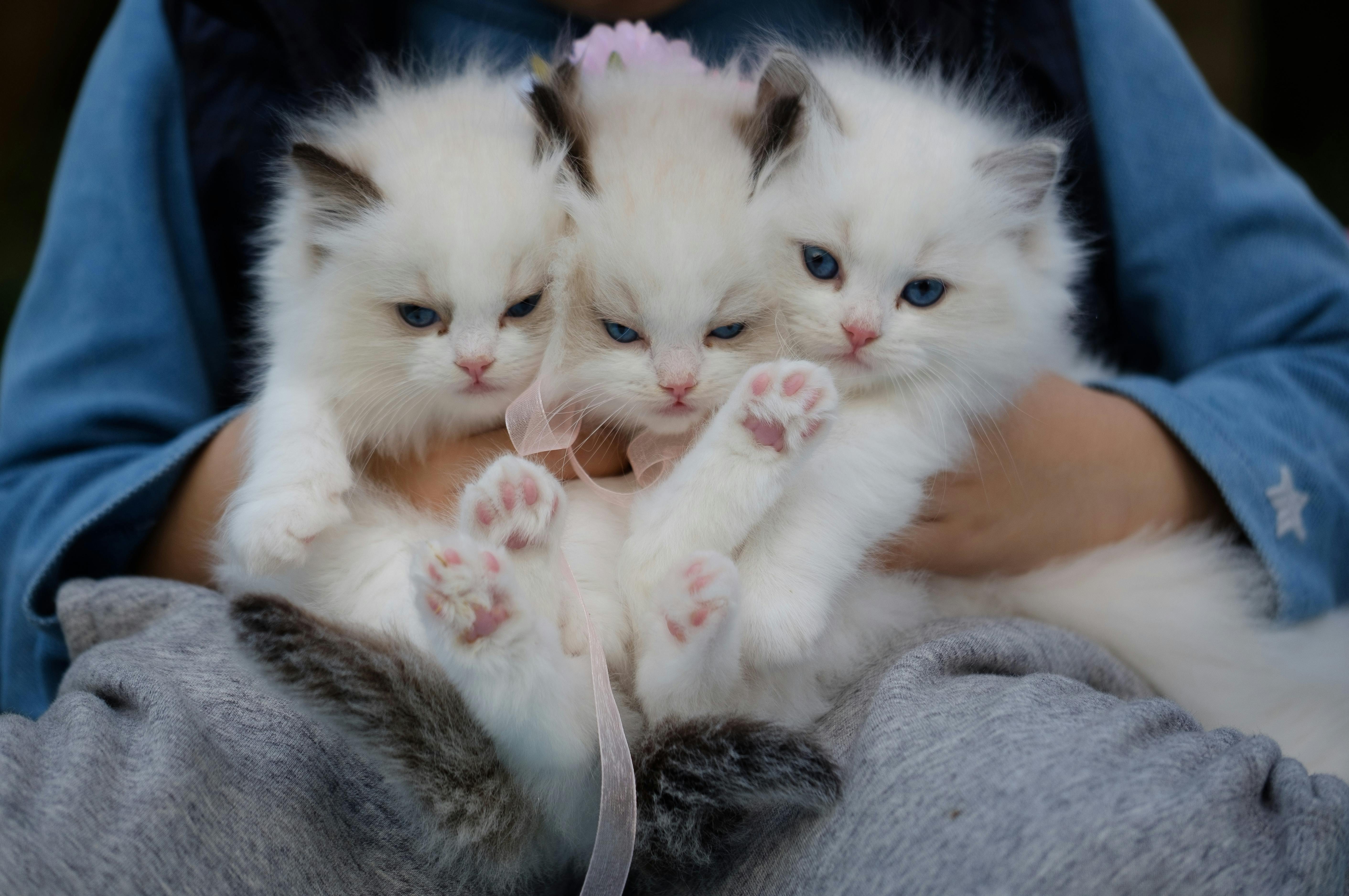
Close-up photo of a hand holding three white kittens

Choosing the right cat breed can make a big difference in your happiness and your pet’s well-being. Different breeds have different personalities, energy levels, and care needs. Here’s a quick guide to help you find the perfect match:

1. Active and Playful

  • Siberian: Energetic, affectionate, and great with families.
  • Bengal: Highly active, loves playtime and mental stimulation.

2. Calm and Easygoing

  • British Shorthair: Laid-back and low maintenance.
  • Ragdoll: Gentle, loves to cuddle, and easygoing.

3. Independent and Low-Need

  • Russian Blue: Quiet, intelligent, and reserved.
  • Scottish Fold: Independent but affectionate on their own terms.

Consider your living space, activity level, and time available for care before selecting a breed. The right fit ensures a happy life for both you and your feline friend!

Why the Siamese Cat is Considered the Most Intelligent Cat Breed

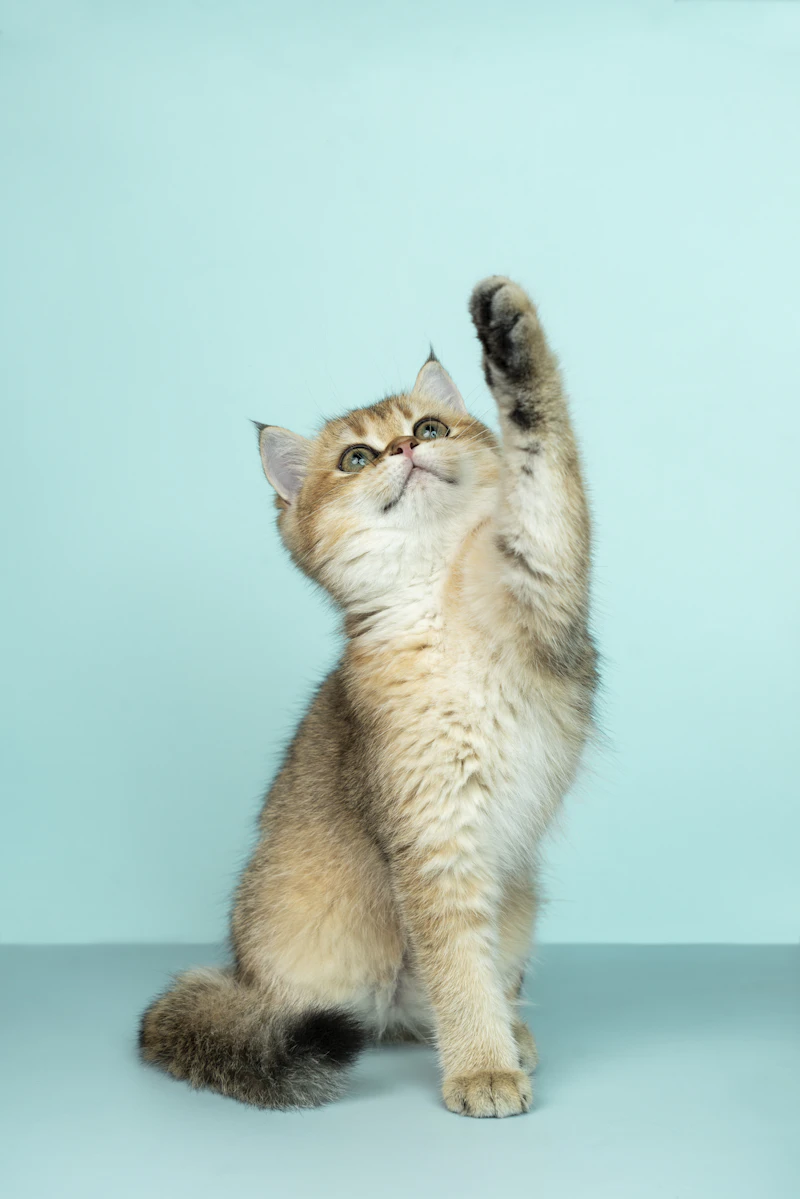
Brown cat sitting calmly

If you're searching for a feline companion with brains and personality, look no further than the Siamese cat. Renowned for their intelligence, social nature, and curiosity, Siamese cats have captured the hearts of cat lovers worldwide—and there’s plenty of reasons why they top the charts as the smartest breed.


💡 What Makes the Siamese Cat So Intelligent?

  • Problem-Solving Skills: Siamese cats are quick learners. They can figure out how to open doors, solve simple puzzles, and find creative ways to get what they want. Chewy
  • Vocal and Communicative: Siamese cats “talk” with their owners using a variety of sounds and tones, often carrying on what feels like a conversation. This social intelligence is a sign of a smart mind. Purina
  • Trainability: Unlike some other breeds, Siamese cats can be trained to perform tricks, walk on a leash, or even play fetch. Their eagerness to engage and please makes training easier. Hill's Pet Nutrition
  • Curiosity and Exploration: These cats love to explore and investigate new environments, keeping their minds active and sharp. The Vets

🐾 Personality Traits of Siamese Cats

Besides being brainy, Siamese cats are affectionate and loyal. They thrive on social interaction and often follow their owners around the house, eager to be part of the action. This breed demands attention and stimulation, which keeps their clever minds busy. Cattylicious


🏡 Is a Siamese Cat Right for You?

While their intelligence and sociability are wonderful, Siamese cats require time, engagement, and companionship. They are not content to be left alone for long periods and benefit from interactive toys, puzzle feeders, and playtime with their humans. The Vets

If you’re ready for a lively, intelligent companion who will keep you entertained and emotionally connected, a Siamese cat might be the perfect choice.


📚 Final Thoughts

The Siamese cat's blend of intelligence, social skills, and affectionate personality make them stand out among feline breeds. Their playful and curious nature not only makes living with them rewarding but also challenges owners to engage their clever minds daily.

Adopting a Siamese means welcoming a cat that will captivate you with both their smarts and heart.

📘 How to Stop Being Scared of Cats

Person petting the cat

Frightened woman

A simple guide to overcoming your fear and maybe even becoming a cat lover.


🐾 Table of Contents

📌 Introduction

  • 💡 Why I Wrote This Book
  • 😌 You’re Not Weird (and You’re Not Alone)
  • 📖 What to Expect from This Guide

🧠 Part 1: Understanding Your Fear

  • 🎈 Where Did This Fear Come From?
  • 🧐 What Are You Really Afraid Of?
  • 🐈 What Are Cats Actually Like?

👀 Part 2: Getting More Comfortable with Cats

  • 📷 Start Small: Photos, Videos & Cartoons
  • 👁️ Watch a Real Cat from a Safe Distance
  • 🧘‍♀️ Being Near a Cat Without Freaking Out

🤝 Part 3: Interacting with a Cat (For Real)

  • 🐾 Meeting a Calm, Friendly Cat
  • 📡 How to Read a Cat’s Body Language
  • ✋ First Contact: Petting Without Panic

💪 Part 4: Moving Beyond the Fear

  • 🏠 Living Near or With Cats Without Worry
  • 🐱 When You’re Ready: Thinking About Getting a Cat
  • 🎉 From Fear to Friendship

🎁 Bonus Section

  • 🌬️ Simple Breathing Exercise
  • 📊 Printable “Cat Feelings Chart”
  • 📣 Real Stories from People Who Overcame Their Fear
  • 📚 Helpful Videos and Books You Can Check Out

💡 Why I Wrote This Book

As a vector designer, I spend most of my days in a creative flow—drawing, designing, and chasing colors. Some people say that working alone makes me lonely. But honestly? I'm not alone at all. I have my purr baby right beside me. 🐱

This book was born from a mix of healing and gratitude. I used to be afraid of cats. As a child, I was scratched badly—bad enough that it left me with a scar. And that fear stuck with me for years. I avoided cats, flinched when they got close, and thought I could never trust them.

But life has a soft way of surprising you.

One gentle cat, one soft purr at a time, helped me heal—not just from the fear, but from the anxiety I didn’t know how to express. Now, my cat is more than just a pet. They're my daily comfort, a quiet companion who reminds me to breathe, pause, and be present. And in return, I’ve learned that loving—even something I once feared—can completely reshape your heart.

---

😌 You’re Not Weird (and You’re Not Alone)

If you're reading this and you're afraid of cats—please know you're not weird, and you're definitely not alone. Fear is a very human thing. Whether it came from a bad experience (like mine), a story you heard, or just not knowing what to expect from cats... your fear is valid.

But you’re also allowed to grow beyond it. You can change your story. If I, someone who once feared their claws, can now cuddle one to sleep each night, you can absolutely find peace with cats too.


📖 What to Expect from This Guide

This guide is soft and judgment-free—just like a sleepy kitten in the sun. 🌞 It’s not about forcing you to love cats. It’s about helping you understand them, understand your fear, and slowly build trust again—on your own terms.

You’ll find personal stories, gentle steps, calming tools, and comforting reminders that you can take at your own pace. Whether you want to live peacefully with cats, visit friends who have them, or one day adopt your own, this book is here for that quiet transformation.

Because healing can purr, and kindness—especially to ourselves—is the real goal. 💛


🧠 Part 1: Understanding Your Fear

  • 🎈 Where Did This Fear Come From?
    Fear of cats often starts with an early experience that scared us—like being scratched, startled, or chased. For me, it was a deep scratch that left a scar when I was a child. Our brains remember these moments as warnings to protect us. Sometimes, stories or warnings from others about “mean” or “wild” cats add to that fear. It’s natural for your mind to try to keep you safe, even if it means avoiding cats altogether.
  • 🧐 What Are You Really Afraid Of?
    Fear can be tricky because it might not always be about cats themselves. Maybe it’s the sharp claws, sudden movements, loud meows, or even just feeling unsure how to act around them. Sometimes we fear being hurt or embarrassed. Understanding exactly what makes you anxious helps you take small steps to feel safe. Is it the unpredictability? The scratching? Or just not knowing how cats behave?
  • 🐈 What Are Cats Actually Like?
    Cats are curious, sensitive, and sometimes mysterious creatures. They aren’t trying to scare or harm you—they communicate through body language and sounds. For example, a slow blink means “I trust you,” and a puffed-up tail means they’re frightened. Most cats prefer quiet, gentle interactions and don’t want to startle anyone. Once you learn their signals, cats become less unpredictable and more like furry friends.

👀 Part 2: Getting More Comfortable with Cats

  • 📷 Start Small: Photos, Videos & Cartoons
    Begin your journey by simply looking at pictures and videos of cats. Funny cat videos or cute cartoons are gentle ways to get familiar with their looks and typical behaviors without feeling overwhelmed. This step lets you enjoy cats from a safe, relaxed distance—no surprises, no sudden movements.
  • 👁️ Watch a Real Cat from a Safe Distance
    When you feel ready, try observing a calm cat in real life—but from across the room. Whether at a friend’s house or a quiet cat café, watching how cats move, play, and relax helps you learn their habits. Seeing their peaceful moments can reduce anxiety and build curiosity instead of fear.
  • 🧘‍♀️ Being Near a Cat Without Freaking Out
    Being physically close to a cat can be intimidating at first. Practice deep breathing and stay calm. Remind yourself that you’re safe and that most cats prefer gentle, quiet interactions. Taking slow, controlled breaths will help keep your body relaxed even if your mind is a bit nervous.

🤝 Part 3: Interacting with a Cat (For Real)

  • 🐾 Meeting a Calm, Friendly Cat
    Choose a calm, patient cat for your first real interaction. Let the cat approach you, don’t rush or force contact. Sit quietly and offer your hand slowly. A calm cat will often sniff or gently rub against you when they’re comfortable.
  • 📡 How to Read a Cat’s Body Language
    Cats communicate a lot through their body. Watch their ears, tail, eyes, and posture. For example, relaxed ears and a softly swishing tail usually mean they’re happy and open to interaction. Flattened ears or a twitching tail can be signs to give them space.
  • ✋ First Contact: Petting Without Panic
    When you’re ready to pet, start by gently stroking safe areas like under the chin or behind the ears. Avoid sudden movements or touching the belly at first. If the cat pulls away or shows signs of discomfort, respect their boundaries and try again later.

💪 Part 4: Moving Beyond the Fear

  • 🏠 Living Near or With Cats Without Worry
    Once you’ve built some comfort, spending time in homes with cats can feel natural. You’ll begin to understand their routines and how they show affection. If you live with cats, keeping your space calm and predictable will help both you and your furry friend feel at ease.
  • 🐱 When You’re Ready: Thinking About Getting a Cat
    Getting a cat is a big step. Consider breeds known for calm temperaments if you’re still easing your fear. Remember, it’s okay to take your time and choose a cat that matches your lifestyle and comfort level.
  • 🎉 From Fear to Friendship
    The ultimate goal is not just to be unafraid but to build a genuine bond. With patience and kindness toward yourself and the cats, you can move from anxiety to joy, from fear to friendship. Cats can become loving companions who enrich your life in unexpected ways.

🎁 Bonus Section

  • 🌬️ Simple Breathing Exercise

    When you feel anxious around cats or just need a moment to calm down, try this easy breathing exercise:

    1. Find a comfortable seat and sit up straight but relaxed.
    2. Close your eyes if you feel comfortable doing so.
    3. Take a slow, deep breath in through your nose for a count of 4 seconds.
    4. Hold your breath gently for 4 seconds.
    5. Exhale slowly through your mouth for a count of 6 seconds, letting all the tension out.
    6. Pause and hold your breath for 2 seconds before repeating.
    7. Repeat this cycle 5 times, focusing only on your breath.

    This simple technique helps slow your heart rate and ease nervous feelings, making it easier to stay calm around cats or in any stressful situation.

  • 📊 Printable “Cat Feelings Chart”
    A handy visual guide to common cat body language and what it means. Print it out and keep it nearby for quick reference.
  • 📣 Real Stories from People Who Overcame Their Fear
    Inspiring personal accounts from others who started scared but found peace and joy with cats.
  • 📚 Helpful Videos and Books You Can Check Out
    Curated list of gentle resources for learning more about cats, their behavior, and tips for overcoming fear.

New Cat, Meet the Crew

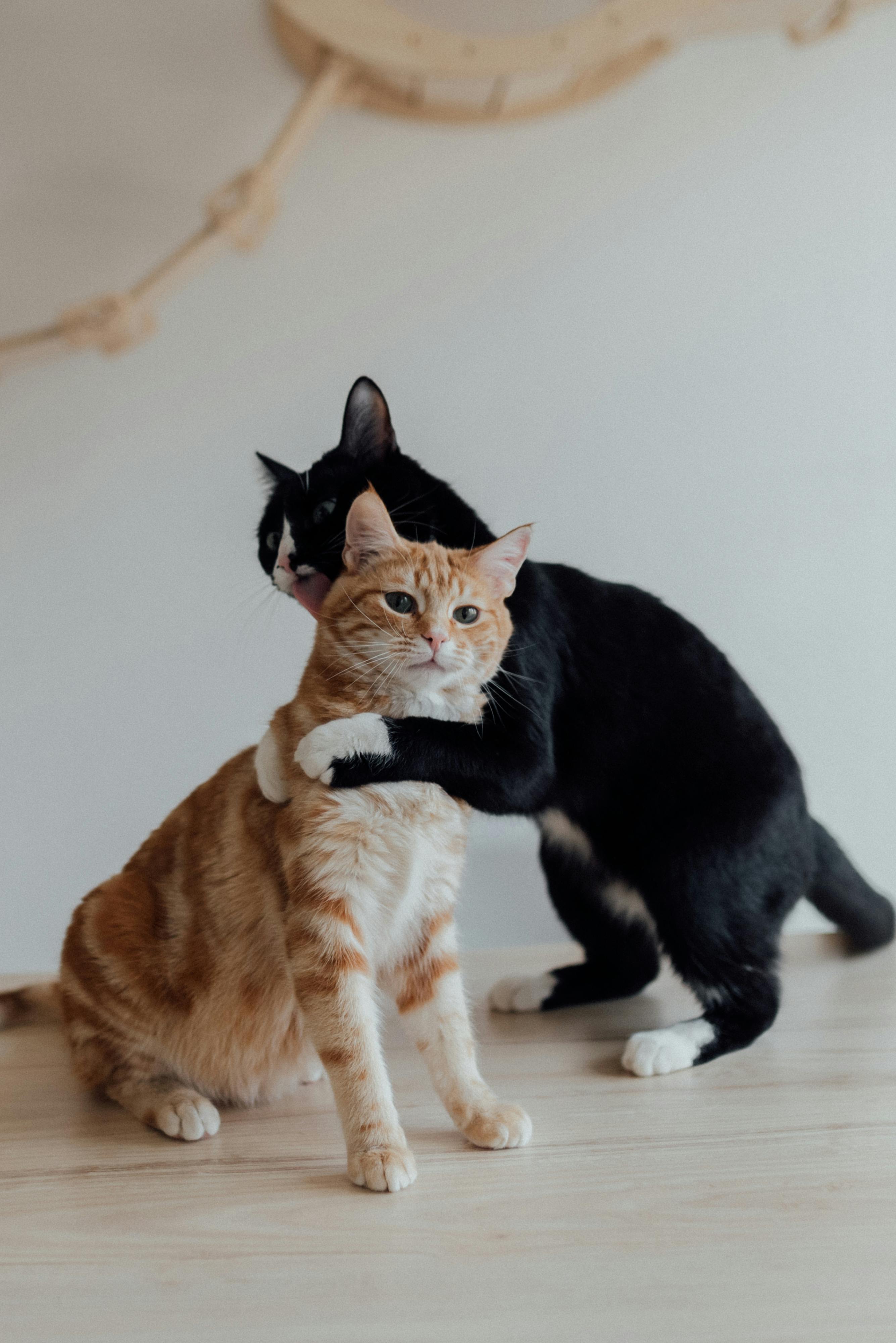
Tuxedo cat hugging orange tabby cat

Bringing home a new cat? Exciting! But if you already have pets, it’s like mixing characters from different TV shows—will it be a heartwarming crossover or a full-blown fur-fight?

Here’s how to keep the peace and create a harmonious furry household. Spoiler: it takes more than tossing them in a room and hoping for the best.

🐾 Step 1: Prep a Safe Space

Set up a private room for your new cat with a litter box, food, water, bed, and toys. This gives them a stress-free area to adjust.

Fact: Cats are territorial. Giving them their own turf prevents defensive behavior.

👃 Step 2: Swap Scents

Use a soft cloth to pick up each pet’s scent and place it where the other can smell it. This lets them “meet” through smell, which is how cats get familiar.

Pro Tip: Pair scent exposure with treats or meals for positive association.

👀 Step 3: Let Them See Each Other

Use a baby gate or cracked door for brief visual intros. Keep it short and positive—watch for calm body language (no hissing or fluffed-up tails).

🍽️ Step 4: Feed Near the Door

Place their bowls on opposite sides of the door. Gradually move them closer each meal until they’re calmly eating near each other.

Why it works: Eating near one another creates a sense of shared routine and safety.

🐱 Step 5: Supervised Visits

Once they’re chill near the door, allow short hangouts under supervision. Distract with toys and treats to keep things light.

Remember: Not all pets become BFFs. Co-existing peacefully is still a win.

🚫 What to Avoid

  • No forced meetings—slow is safe.
  • Don’t punish hissing—it’s communication, not bad behavior.
  • Don’t neglect your current pet—they still need attention and reassurance.

🎉 The Happy Ending

A smooth introduction means fewer conflicts, happier pets, and less stress for you. Give them time, use positive reinforcement, and you’ll be on your way to a multi-pet household that actually works.

Got your own intro story? Drop it in the comments or tag us with #PawsMeetPaws on social! 🐾