This is default featured slide 1 title

Go to Blogger edit html and find these sentences.Now replace these sentences with your own descriptions.This theme is Bloggerized by Lasantha Bandara - Premiumbloggertemplates.com.

This is default featured slide 2 title

Go to Blogger edit html and find these sentences.Now replace these sentences with your own descriptions.This theme is Bloggerized by Lasantha Bandara - Premiumbloggertemplates.com.

This is default featured slide 3 title

Go to Blogger edit html and find these sentences.Now replace these sentences with your own descriptions.This theme is Bloggerized by Lasantha Bandara - Premiumbloggertemplates.com.

This is default featured slide 4 title

Go to Blogger edit html and find these sentences.Now replace these sentences with your own descriptions.This theme is Bloggerized by Lasantha Bandara - Premiumbloggertemplates.com.

This is default featured slide 5 title

Go to Blogger edit html and find these sentences.Now replace these sentences with your own descriptions.This theme is Bloggerized by Lasantha Bandara - Premiumbloggertemplates.com.

๐Ÿฑ Thor the CO Sentinel – The Kitten Who Detected Carbon Monoxide


๐Ÿ“ Location: Farmington Hills, Michigan, USA
๐Ÿ“… Date: August 30, 2022 (mid‑2019 reported)

When the Stamper family used a generator inside their attached garage during a summer power outage, carbon monoxide began seeping into their home—an invisible and deadly threat. But their 4‑month‑old kitten, Thor, became their unexpected alarm system.


⚠️ Strange Behavior That Saved Lives

Around 3 a.m., Thor started screaming and vocalizing incessantly, waking Heidi Stamper. She noticed he looked ill and took him outside. Though he seemed to recover briefly, when she brought him back inside, she lost consciousness from CO exposure.

Then Thor resumed his frantic cries—this time alerting the couple’s children, Paige (13) and Quinn (11). They found their mother on the floor and a groggy Ronald Stamper and managed to get all four family members outside and to safety before going into full CO toxicity themselves :contentReference[oaicite:1]{index=1}.


๐Ÿ›ก️ Heroic Outcome & Impact

The Farmington Hills Fire Department and local media credit Thor with saving the family by alerting them to danger. The family had no CO detectors at the time; firefighters were called, and the Stamper family—along with Thor—were treated in hospital. All survived :contentReference[oaicite:2]{index=2}.

Lessons learned:

  • Generators must always be used outdoors, far from openings.
  • Install carbon monoxide detectors in every home.

๐Ÿ”— References & More Info


๐Ÿ“Œ Quick Facts

HeroThor, 4‑month‑old kitten
DateAugust 30, 2022
IncidentGenerator-caused carbon monoxide leak
ActionWoke family with loud distress calls
OutcomeFamily and kitten survived; hospital treatment
LessonGenerators outside, use CO detectors

❤️ Remembering Thor's Heroism

Thor reminds us that animals can sense danger humans cannot—and that we must always listen. This little kitten's cries became the family's lifesaver, turning a silent killer into a warning bell.

๐Ÿ” Search Link

Discover more by Googling: “Thor kitten carbon monoxide Farmington Hills”

"Paws & Productivity: How Loving Your Cat While Working from Home Can Change Your Life"

Cat lying near working woman Cat standing on laptop Cat watching person draw Cat relaxing beside person

Blog Post 1: Emotional Support — How Your Cat Helps Reduce Stress and Anxiety During the Workday

Working from home can sometimes feel overwhelming and isolating. Luckily, your cat is more than just a cute companion—they’re your personal stress busters. Scientific studies show that petting a cat releases oxytocin, the “feel-good” hormone, which lowers stress and anxiety levels.

When deadlines pile up or Zoom calls drag on, a soft purr or a gentle nuzzle can calm your nerves like nothing else. That warm, furry presence reminds you to breathe, slow down, and feel grounded. Your cat doesn’t just sit with you—they emotionally support you throughout your busiest days.


Blog Post 2: Work-Life Balance — How Cats Encourage Breaks, Rest, and Mindfulness

It’s easy to get lost in work when your home is your office. Cats are natural mindfulness teachers. They’ll remind you to take breaks—not because they demand it (though sometimes they do!), but because they live in the moment and know when it’s time to rest.

Watching your cat stretch, nap, or calmly observe the world invites you to pause, breathe, and reset your mind. Taking these moments to step away from your screen improves focus, creativity, and overall productivity. In a world of constant hustle, cats help us find balance by living slower and appreciating the little things.


Blog Post 3: Creativity Boost — How Feline Presence Can Spark Imagination and Calm Your Mind

If you’re a creative professional like me, you know inspiration can be elusive. Cats bring a unique energy that sparks creativity. Their graceful movements, playful antics, and even their mysterious independence encourage you to think differently.

Plus, having a calm cat nearby lowers mental clutter, making space for fresh ideas to flow. Whether you’re designing, writing, or brainstorming, your cat’s presence is like a calming muse—softening your thoughts and inviting new perspectives. Sometimes, the best ideas come when a purring cat curls up beside your keyboard.


Blog Post 4: Routine & Structure — How Feeding, Playtime, and Cuddles Help Build Healthier Daily Habits

Cats thrive on routine, and when you share your life with one, their schedule can help structure your day. Feeding times, play sessions, and cuddle breaks naturally divide your work hours, encouraging you to step away from the screen and recharge.

This built-in schedule supports healthier habits like regular breaks, stretching, and self-care. You might find yourself more disciplined and less prone to burnout because your cat’s needs remind you to slow down and nurture both yourself and your furry friend.


Blog Post 5: Companionship — The Power of Non-Verbal Support in Lonely or Remote Work Settings

Working from home can sometimes feel lonely, even if you’re surrounded by technology. Cats offer quiet companionship that fills the silence without demanding constant attention. Their non-verbal support—whether it’s curling up on your lap or simply sitting nearby—reminds you that you’re not alone.

This comforting presence reduces feelings of isolation and boosts emotional wellbeing. Unlike people, cats don’t interrupt your flow; they just exist beside you, offering unconditional love and calm energy. For many remote workers, their cat is the best co-worker and friend they could ask for.

๐Ÿฑ Is It Okay to Hit a Cat When They Make a Mistake?

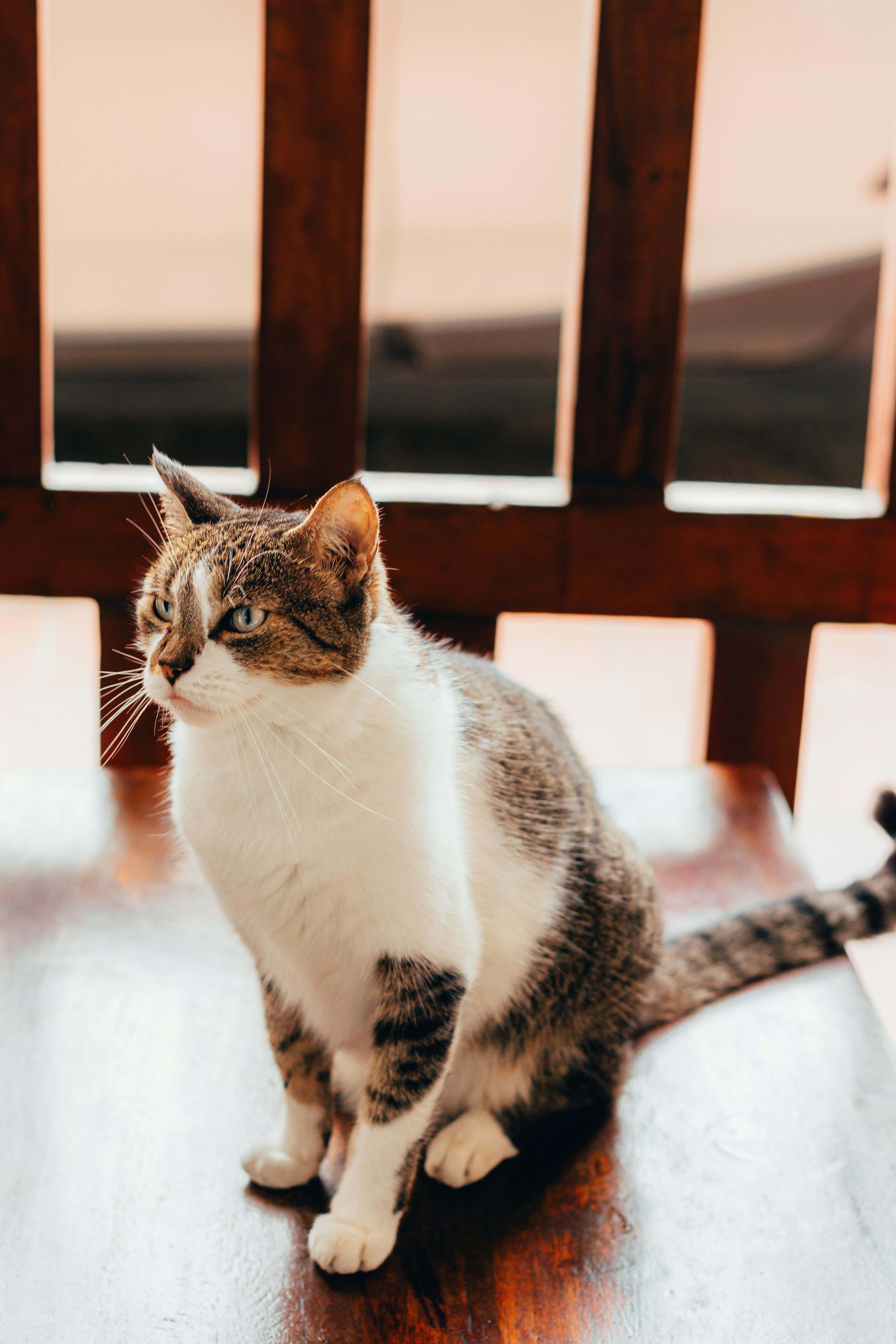
Cat sitting on wooden surface

It is never okay to hit your cat. Physical punishment breaks trust and causes fear, stress, or aggression.

✔️ Instead, Try These Humane Correction Methods:

  • Redirect your cat when she misbehaves.
  • Use positive reinforcement to teach preferred behaviors.
  • Apply gentle deterrents instead of using force.
  • Understand the root cause of unwanted behavior.

๐Ÿ“ Real-Life Scenarios

1. Scratching the Sofa

Wrong Behavior: Your cat sharpens her claws on your living room sofa.

Correct Response: Calmly move her to a scratching post. Praise and offer treats once she uses it.

2. Jumping on the Kitchen Counter

Wrong Behavior: She jumps up while you're preparing food.

Correct Response: Gently pick her up, place her on the floor, and say “no.” Immediately reward her attention on the floor with a treat or toy.

3. Night-Time Zoomies

Wrong Behavior: She races around at 3 a.m., knocking over lamps.

Correct Response: Provide more daytime play and schedule nightly play before bed. If she zooms awake, ignore the behavior—no yelling or hitting.

๐Ÿšซ What Not to Do

  • Never hit, shake, or scream at your cat—it damages your relationship.
  • Don’t rub her nose in her mistakes—cats don’t understand shame.
  • Avoid using water sprays frequently—they can make her fearful.

❤️ Why Kindness Works Best

Cats don’t understand punishment the way we do. They learn through association. When correct behavior is rewarded quickly, they’re more likely to repeat it. Above all, a bond built on respect and trust keeps your home calm—and your cat feeling safe.

Final Word: You can guide your cat without hurting her. With patience, positive reinforcement, and gentle correction, both of you can thrive together.

๐Ÿ“ธ Photo by Camilo Ospina on Pexels

Comparisons Cat Care: Millennials, Gen X, and Gen Z

Understanding the lifestyle and traits of different generations can help cat owners tailor the best care for their feline friends. Here’s a breakdown of Millennials, Gen X, and Gen Z — their characteristics, cat care styles, and the pros and cons of each approach.

Generations at a Glance

Generation Birth Years (approx.) Key Traits & Lifestyle How They Relate to Cats
Gen X 1965 – 1980 Independent, practical, value work-life balance, grew up with less tech but adapted Often have busy schedules but appreciate routine; prefer calm cats that fit well in family life
Millennials 1981 – 1996 Tech-savvy, value experiences, socially conscious, often live in urban areas Tend to treat cats as family; want interactive and mentally stimulating cats
Gen Z 1997 – 2012 Digital natives, socially aware, value individuality and wellness Seek highly interactive, affectionate cats; often look for emotional support pets

๐Ÿง“ Gen X Cat Care Tips

  • Pros:
    • Consistent routine benefits cat’s well-being
    • Calm environments reduce stress for cats
    • Focus on practical health care and prevention
    • Durable toys and supplies mean fewer replacements
  • Cons:
    • Busy schedules might limit playtime
    • Less tech use may reduce opportunities for enrichment gadgets

๐Ÿง‘ Millennials Cat Care Tips

  • Pros:
    • Interactive play helps mental stimulation
    • Use of social media increases awareness and sharing of care tips
    • Eco-friendly choices benefit environment and pet health
    • Varied enrichment prevents boredom
  • Cons:
    • Busy urban lifestyles might limit outdoor space
    • Over-reliance on tech can sometimes overwhelm cats

๐Ÿ‘ง Gen Z Cat Care Tips

  • Pros:
    • Strong focus on emotional support and bonding
    • Personalized care to meet unique cat needs
    • Tech tools like smart feeders enhance care
    • Access to online communities promotes learning
  • Cons:
    • Possible impatience with older cats preferring calm
    • Tech reliance might cause stress if not balanced

Universal Cat Care Tips for All Generations

  • Regular vet visits for prevention and health monitoring
  • Proper nutrition with age-appropriate, quality food
  • Ensure fresh water is always available
  • Keep litter boxes clean and comfortable
  • Show love and attention, respecting the cat’s boundaries

๐Ÿ’– Who Is the Most Loving Cat Owner?

All generations bring unique love and care to their cats, shaped by their values and lifestyles. While Millennials often treat cats as family members with lots of interactive play and enrichment, Gen Z focuses deeply on emotional support and personalized care. Meanwhile, Gen X provides stability and routine, which many cats thrive on.

Ultimately, the most loving cat owner is anyone who understands their cat’s needs, respects their personality, and provides consistent care and affection — regardless of generation!

๐Ÿพ First-Time Cat Mom? Here’s What to Do When You Bring Home Your Purr Baby

Woman Holding Cat

๐Ÿพ First-Time Cat Mom? Here’s What to Expect on Day One

Bringing home your first cat is a moment filled with excitement, curiosity, and let’s be real—a little bit of nervousness. As a proud cat mom and designer, I remember that first night like it was yesterday: the soft meows, the sniffing around the room, the instant heart-melting moment when they curled up beside me.

If you're a first-time cat mom, welcome to the most adorable chapter of your life. Here’s a simple guide on what to do when your furry baby steps into their forever home for the first time.


๐Ÿฑ 1. Create a Safe, Quiet Space

Your cat needs time to adjust. Set up a small, quiet area just for them—with food, water, a litter box, and a cozy spot to rest. Let them explore on their terms and avoid overwhelming them with too much attention right away.


๐Ÿ› 2. Provide Comfort & Security

Cats love hiding when they’re unsure, so give them hiding options like cardboard boxes, blankets, or a cat cave. Keep the space peaceful. Sit near them, speak softly, and let them come to you when they feel ready.


๐Ÿฝ 3. Feed With Care

Make sure you’ve already bought the right food (ask your vet or shelter what they’ve been eating). Keep a regular feeding schedule and offer fresh water daily. A happy belly leads to a happy kitty!


๐Ÿšฝ 4. Litter Box 101

Place the litter box in a quiet corner and keep it clean. Show your cat where it is and avoid moving it around. Cats are very clean creatures and usually learn fast—just be patient if there’s an accident or two.


๐Ÿงธ 5. Play = Bonding

Interactive toys like wands and balls not only entertain but build trust. A few short play sessions each day help your cat release energy and get to know you in a fun, positive way.


๐Ÿฉบ 6. Book a Vet Visit

Even if your cat seems healthy, schedule a vet appointment within the first week to get them checked and updated on vaccines. It’s also a good time to ask about spaying/neutering if it hasn’t been done yet.


๐Ÿ’— 7. Be Patient and Loving

Every cat adjusts at their own pace. Don’t force cuddles—let them come naturally. Stay consistent, gentle, and kind. Trust is built day by day, and once you earn it, you’ll have a best friend for life.


✨ Final Meow:

Becoming a cat mom is pure magic. It’s filled with sleepy purrs, morning meows, and those quiet moments where you realize your heart is no longer yours—it belongs to a tiny creature with whiskers.

Welcome to the club, Mama. You're going to do just fine. ๐Ÿพ


๐Ÿ“Œ Hashtags (for Sharing Online):

#FirstTimeCatMom, #CatMomLife, #NewCatMom, #PurrBaby, #CatParentTips, #CatCareBasics, #RescueCatLove, #CatAdoptionJourney, #CatLoversClub, #FurMama, #BringingHomeCat, #ProudCatMama, #CuddleCrew, #CatLoveForever

How to keep your cat cool in summer

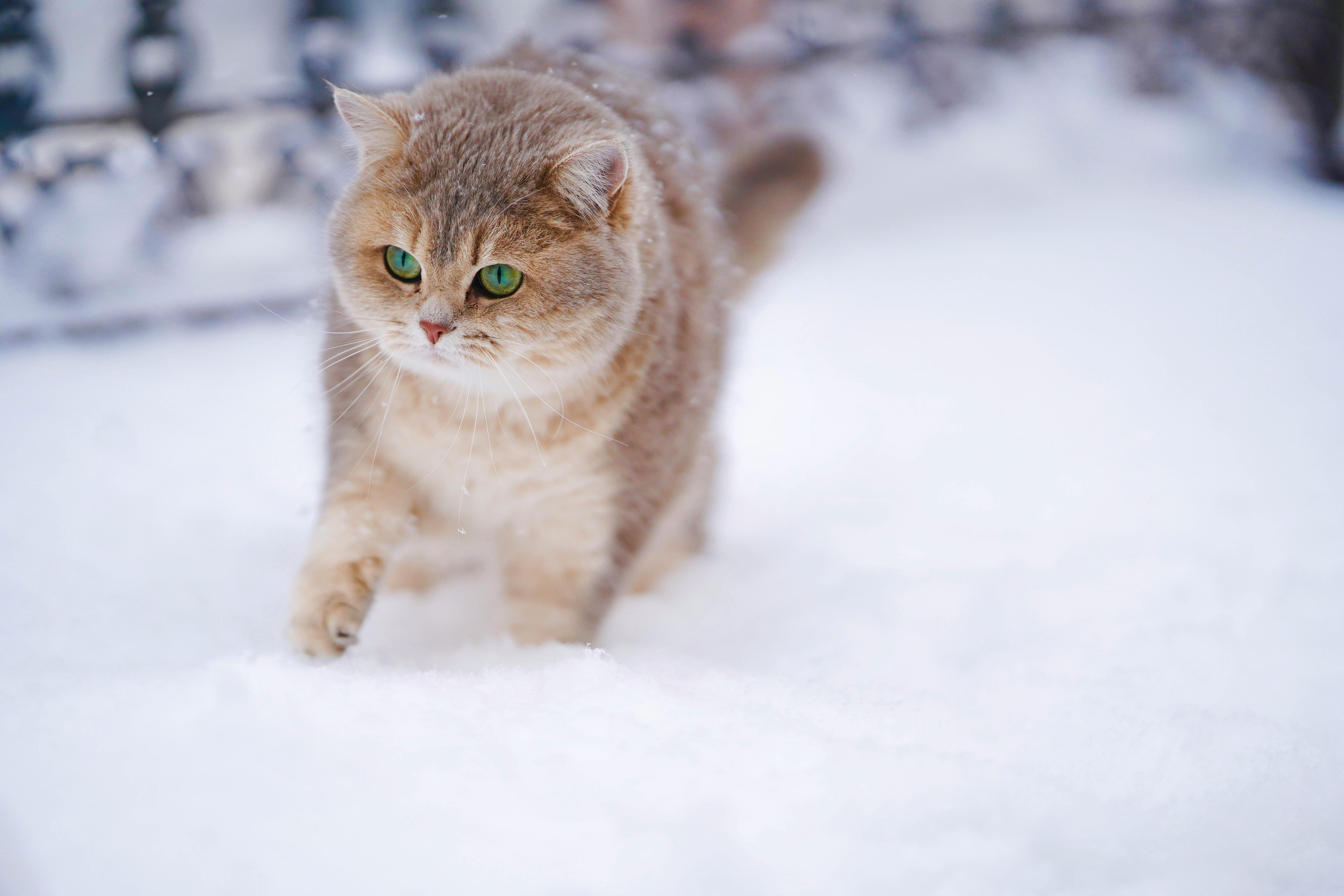
Cat on snow-covered ground

Summer’s here—and while we’re reaching for cold drinks and cranking up the AC, our furry friends can struggle with the heat. Cats are usually heat-tolerant, but extreme temps can put them at risk of dehydration, heatstroke, and discomfort.

Here’s how to keep your cat cool, safe, and chill all summer long:

๐Ÿ’ง 1. Hydration Is Key

Always provide fresh, clean water. Add multiple bowls around your home, or better yet—invest in a pet water fountain. Cats love running water and drink more when it’s moving!

๐ŸงŠ 2. Ice, Ice, Kitty

Drop a few ice cubes in your cat’s water bowl. You can also freeze tuna water or chicken broth (no salt!) in ice cube trays for a cool treat.

๐ŸŒฌ️ 3. Fans & Breeze Zones

Set up a fan in rooms your cat likes to lounge in. Open screened windows or turn on ceiling fans for airflow. Some cats even enjoy laying in front of a box fan like it’s their personal AC.

๐ŸŒด 4. Create Shady Hideouts

Make sure your cat has shady spots to escape the sun. Place cardboard boxes or cat beds in darker corners of your home. Cooling mats or tiles also make great napping surfaces.

๐Ÿ˜ด 5. Limit Play During Peak Heat

Avoid intense playtime during the hottest part of the day (noon to 4 PM). Schedule energetic activities for the cooler mornings or evenings.

๐Ÿชถ 6. Light Grooming

Brushing out loose fur can help your cat feel cooler. Skip any shaving—your cat’s coat helps regulate body temperature and prevents sunburn!

๐Ÿšซ 7. Never Leave Cats in Cars

Even for a minute. The temperature inside a parked car can skyrocket in seconds—even with the windows cracked.

๐Ÿšจ 8. Know Heatstroke Signs

  • Panting
  • Lethargy
  • Drooling
  • Vomiting
  • Bright red gums

If you see these symptoms, get your cat to a cool place and call your vet immediately.

✨ Final Chill

Your cat may not ask for a popsicle, but they still need summer care! Keep them cool, hydrated, and shaded—and you’ll both enjoy the sunny season stress-free.

Share your kitty’s summer vibes using #CoolCatSummer and tag us for a chance to be featured! ๐Ÿ˜บ☀️

Preparing for Your Cat’s First Vet Visit

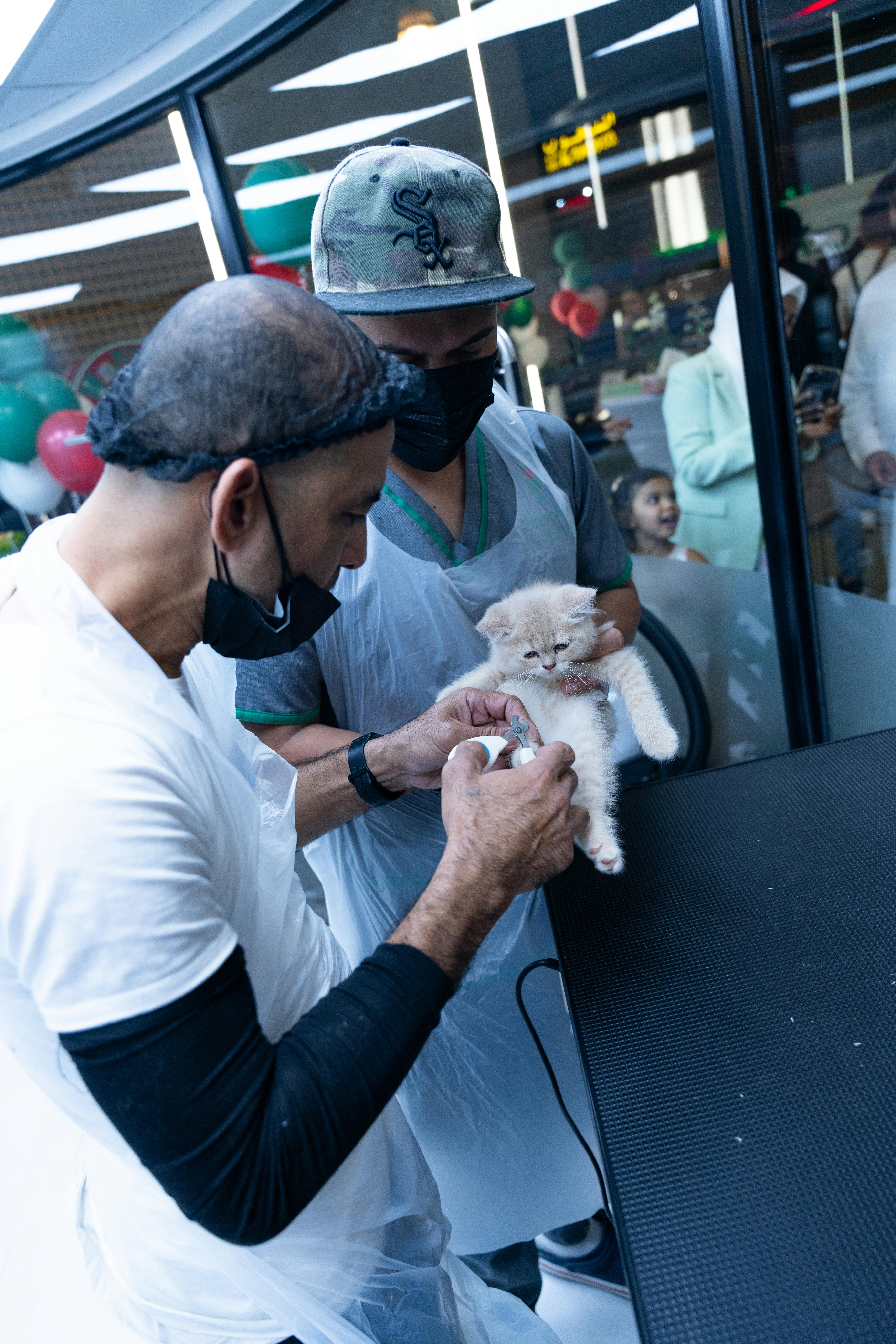
Veterinarians taking care of a fluffy kitten

Bringing your cat to the vet for the first time can be nerve-wracking—for both of you! But with a little prep, it can be a smooth, positive experience that sets your feline up for a lifetime of good health.

๐Ÿ‘œ 1. Choose the Right Carrier

A sturdy, well-ventilated carrier is essential. Soft-sided or top-loading carriers make it easier to get your cat in and out. Leave it open in your home a few days before the visit so your cat gets used to it.

๐Ÿ“‹ 2. Bring Important Info

Pack any adoption records, previous medical history (if available), and a list of questions or concerns. Don’t forget your cat’s ID tag or microchip info if applicable.

๐Ÿพ 3. Keep It Calm

Use a towel or soft blanket in the carrier to comfort your cat. Spraying the inside with a calming pheromone like Feliway 15 minutes before travel can help reduce anxiety.

๐Ÿš— 4. Travel Smart

Secure the carrier in the back seat with a seatbelt. Keep the car quiet and avoid sudden stops or loud music. Talk to your cat gently if they’re vocalizing—they’re just nervous.

๐Ÿง‘‍⚕️ 5. What to Expect

Your vet will check your cat’s weight, temperature, eyes, ears, teeth, heart, and general condition. Vaccinations, parasite prevention, and microchipping may also be discussed.

๐Ÿ“ฆ 6. Bring Familiar Items

A favorite toy or blanket can help soothe your cat at the clinic. Even your worn t-shirt might bring comfort—it smells like home.

๐Ÿ˜บ 7. Post-Visit Treats

Once you’re back, reward your cat with a treat, play session, or cuddle time. This helps create a positive association with the vet experience.

๐Ÿ’ฌ 8. Ask Questions!

First visits are a great time to ask about nutrition, behavior, litter box habits, and future care. Don’t be shy—your vet is your partner in your cat’s well-being.

✨ Final Meow

That first vet visit is a big milestone—for you and your kitty. With some prep and a calm attitude, you’ll lay the foundation for a lifetime of happy, healthy checkups. Remember, a little love and planning go a long way!

Have a first vet visit story? Share it in the comments or tag us using #FirstVetVisit! ๐Ÿพ

Tips for grooming your cat at home

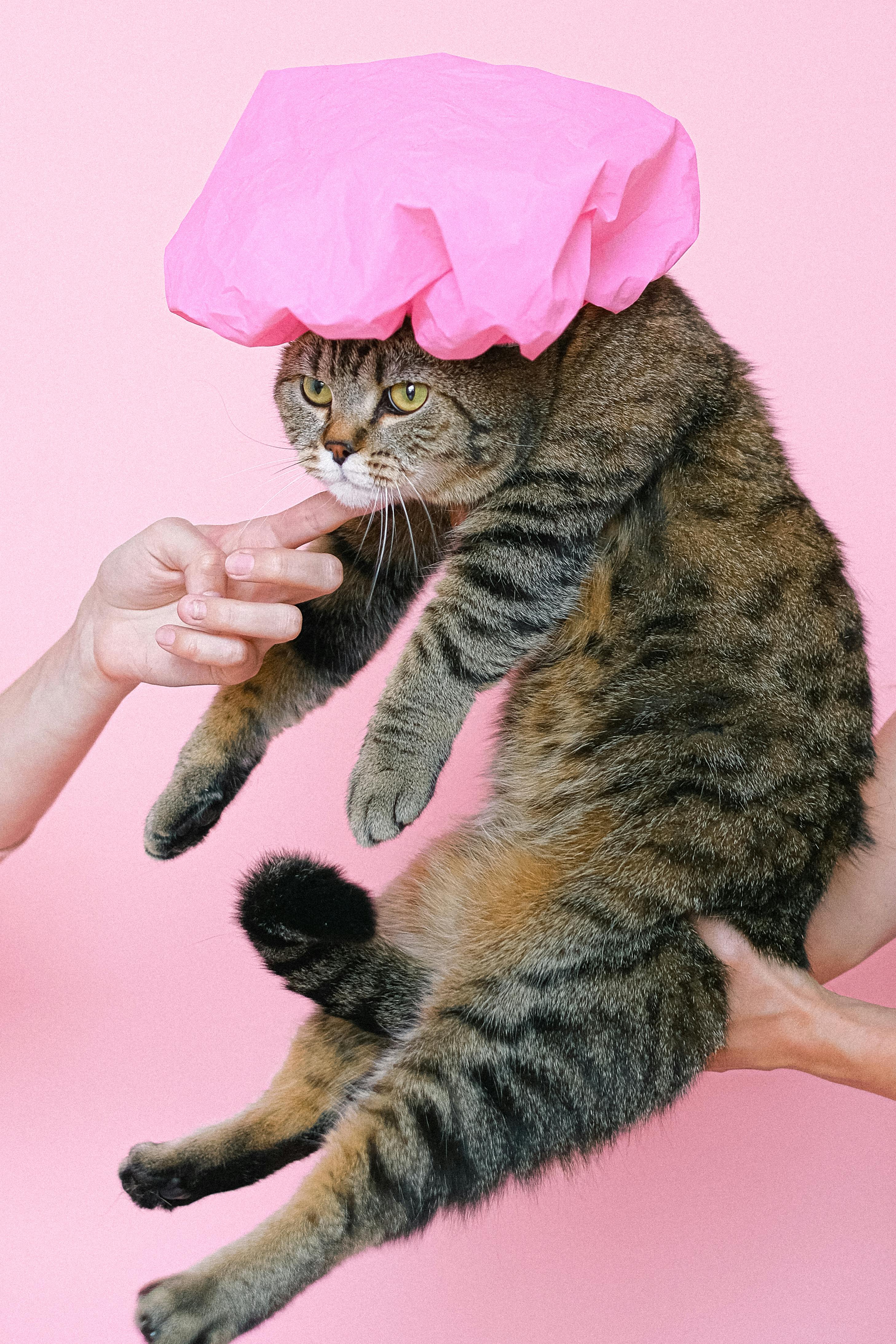
Brown tabby cat wearing shower cap

Your cat might not love spa day—but regular grooming keeps them healthy, happy, and looking purr-fect. Whether you’ve got a short-haired snuggler or a long-haired diva, these easy tips will turn grooming time into bonding time (or at least, reduce the drama).

๐Ÿงฝ 1. Brush Regularly

Brushing removes loose fur, prevents mats, and reduces hairballs. Try:

  • Short-haired cats: 1–2 times a week
  • Long-haired cats: Daily or every other day

Use a slicker brush or grooming mitt and always brush in the direction of the fur.

✂️ 2. Trim Those Claws

Overgrown claws can snag furniture—or you. Trim every 2–3 weeks using cat nail clippers. Avoid the pink “quick” inside the nail to prevent pain or bleeding.

Pro tip: Try trimming one paw at a time if your cat is wiggly.

๐Ÿงผ 3. Clean the Ears

Gently wipe the outer ear with a damp cotton pad or vet-approved ear cleaner. Avoid inserting anything deep—cats’ ears are sensitive and prone to damage.

๐Ÿ‘€ 4. Wipe the Eyes

Some cats, especially flat-faced breeds, may have tear stains. Use a clean, damp cloth or pet eye wipes to gently clean around the eyes.

๐Ÿšฟ 5. Bathe Only When Needed

Cats are self-cleaning pros. But if they get into something sticky or smelly, use a mild cat shampoo and warm water. Avoid human products—they can irritate feline skin.

๐Ÿชฅ 6. Dental Health Counts

Brush your cat’s teeth weekly with pet-safe toothpaste. Dental treats and water additives can also help keep tartar at bay.

๐Ÿ˜ป 7. Make It a Positive Experience

Reward your cat with treats, praise, and cuddles. Keep sessions short and sweet, especially if your cat is new to grooming.

✨ Final Furball

Grooming your cat at home doesn’t have to be a battlefield. With the right tools and a little patience, it can become a calming ritual that strengthens your bond—and keeps your kitty looking fabulous.

Got a grooming hack that works wonders? Share it in the comments or tag us using #HomeCatGrooming! ๐Ÿพ

Cat-Proof Your Home

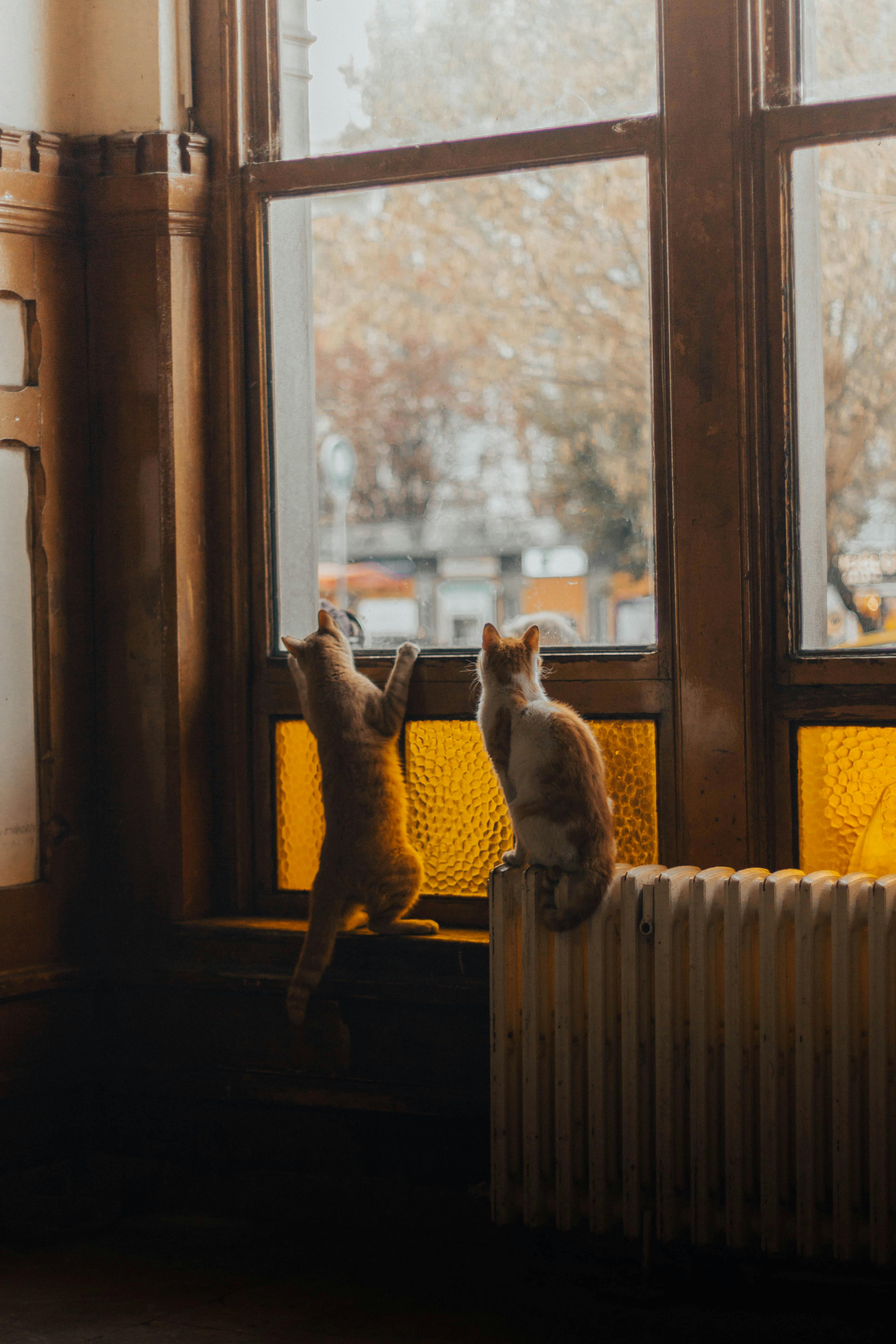
Two cats looking out a vintage window

So you've adopted a curious, mischievous, totally adorable ball of fluff—congratulations! Now it’s time to protect your home (and your sanity) from feline chaos. Cat-proofing isn’t about restricting fun—it’s about making your space safer for your pet and your belongings.

๐Ÿงผ 1. Hide the Toxic Stuff

Many common household items are harmful to cats. Keep these far out of reach:

  • Cleaning products (bleach, ammonia, etc.)
  • Human medications
  • Essential oils (tea tree, eucalyptus, citrus)
  • Houseplants like lilies, aloe, and pothos
Pro Tip: Store toxic items in cabinets with childproof latches.

๐Ÿ”Œ 2. Secure Cords and Cables

Cats love to chew cords like spaghetti. Use cord covers, PVC piping, or bitter apple spray to make them less appealing—and protect your tech!

๐ŸชŸ 3. Screen the Windows

Indoor cats love to sunbathe by the window. Make sure all windows have sturdy screens to prevent accidental falls, especially in multi-story homes.

๐Ÿ“ฆ 4. Lock Down Small Items

Rubber bands, hair ties, needles, and other tiny things can be swallowed or choked on. Store them in drawers or containers with lids.

๐Ÿ”ฅ 5. Watch Open Flames

Never leave candles, stoves, or fireplaces unattended. Cats are curious and quick—and a flickering flame is basically cat TV.

๐Ÿ›‹️ 6. Cover or Block Furniture Gaps

That tiny space behind your couch? Prime real estate for a hiding cat. Block off tight spaces where they could get stuck or disappear during stressful moments.

๐ŸŒฟ 7. Offer Cat-Friendly Alternatives

To discourage clawing your couch or knocking over your plants, give your cat their own:

  • Scratching posts & cardboard pads
  • Cat grass or catnip planters
  • Window hammocks or climbing shelves

๐Ÿงฉ 8. Keep Things Interesting

Many “naughty” behaviors come from boredom. Rotate toys, use treat puzzles, or build DIY cat towers to keep them stimulated (and less destructive).

๐Ÿšช 9. Close Off Unsafe Rooms

Bathrooms (toilet water), laundry rooms (detergents), or garages (tools and chemicals) should be off-limits unless fully cat-proofed.

✨ Final Meow

Cat-proofing your home doesn’t mean turning it into a bunker—it’s about creating a safe, enriching space where your cat can explore and thrive without danger. Think of it as interior design… but with a very opinionated roommate who walks on four legs.

Got a genius cat-proofing hack? Share it in the comments or tag us using #SafeAndSavvyCat! ๐Ÿพ

How to reduce stress in anxious cats

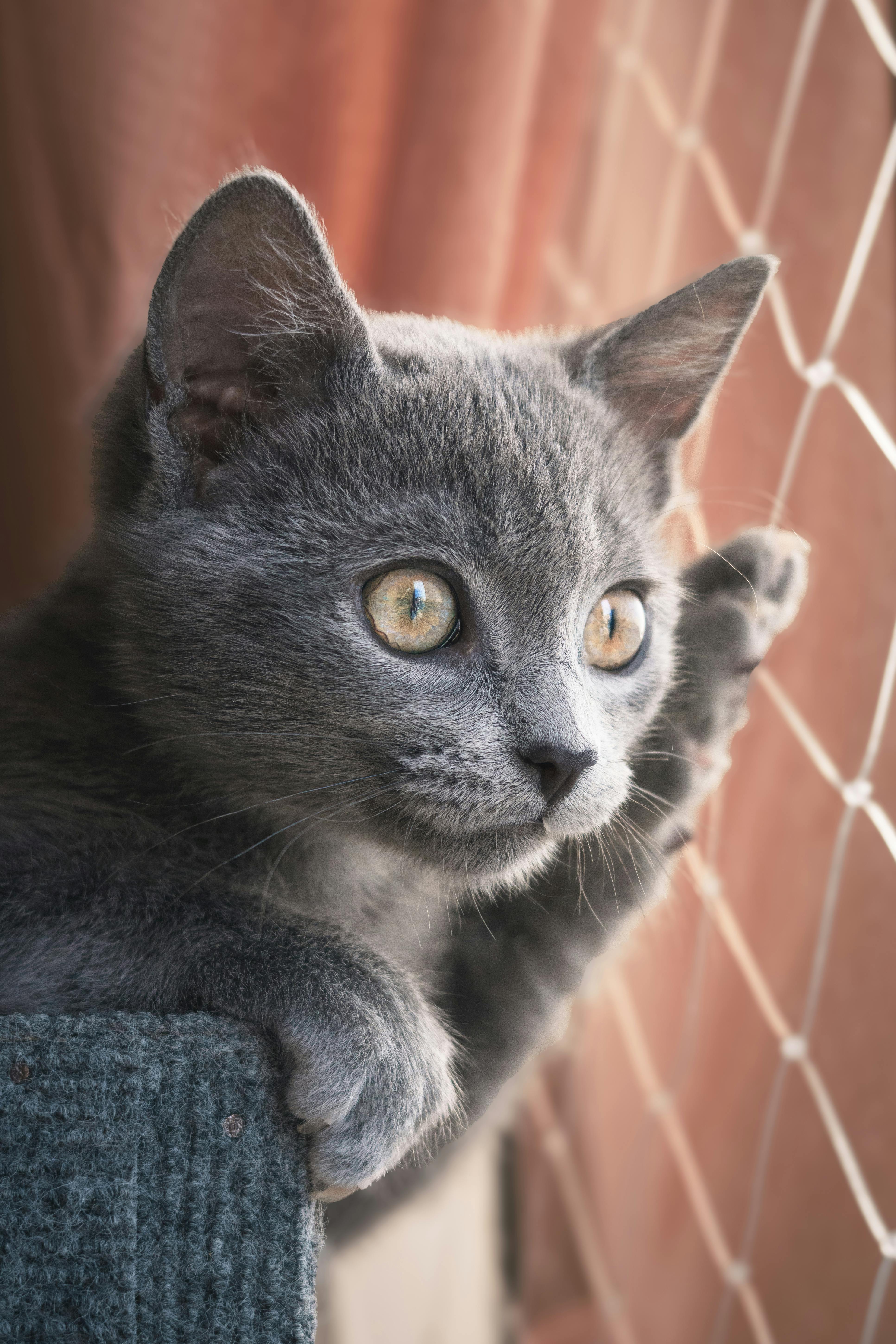
Gray cat looking out window

Calm the Cat

Is your feline friend hiding under the bed, flinching at every sound, or pacing like a little four-legged worrier? You're not alone—cats get stressed too. While they may not file taxes or sit through traffic, changes in environment, loud noises, or even boredom can crank up their anxiety levels.

Here’s how to help your anxious kitty feel safe, secure, and soothed—without needing a cat therapist on speed dial.

๐Ÿ›️ 1. Create Safe Zones

Cats crave control. Provide cozy hideouts—blanket forts, cat caves, or a box with a soft towel. High spots are also a win for stressed kitties.

Fact: Elevated spaces help cats feel secure by giving them a better view of their surroundings.

๐Ÿ’ 2. Use Calming Scents

Feliway diffusers, calming sprays, or even lavender-scented (pet-safe) pillows can ease tension. Cats use scent to mark safety—so soothing smells matter.

๐ŸŽต 3. Try Sound Therapy

Soft classical music or specially made cat relaxation playlists on YouTube or Spotify can create a calm vibe. Avoid sharp or sudden sounds.

Fun fact: Some cats prefer harp music. Fancy, right?

๐Ÿพ 4. Stick to Routines

Feed and play your cat around the same time each day. Predictable routines make them feel safe and grounded.

๐Ÿฑ 5. Gentle Play Sessions

Use feather wands or string toys to slowly engage them. Don’t overwhelm—just encourage curiosity. End with a treat to reinforce positivity.

๐Ÿ’Š 6. Consider Natural Calming Aids

Options like cat-calming treats, CBD for pets (consult your vet first), or natural supplements like L-theanine can help.

๐Ÿšซ What Not to Do

  • Don’t force cuddles or handling—they’ll retreat more.
  • Don’t punish nervous behavior—it adds to the fear.
  • Don’t ignore changes in behavior—stress can hide medical issues.

๐Ÿ‘ฉ‍⚕️ 7. When to See the Vet

If your cat stops eating, grooms excessively, or hides for days on end, it might be more than anxiety. A vet check rules out physical problems.

✨ Final Meow

A calm cat is a happy cat—and a happy cat means a peaceful home.

๐Ÿพ The Most Affectionate Cat Breeds for Cuddly Companionship

Cat image

As a cat mom and vector designer, I know firsthand how inspiring a cuddly cat can be. There’s nothing like hearing those soft purrs while working late, or getting surprise snuggles right when you need a break from your screen.

Not all cats are aloof—many are total lovebugs. If you're dreaming of a cat who craves cuddles, lives for lap time, and purrs like a tiny motor, here’s a list of the most affectionate cat breeds known for their warmth, loyalty, and cozy companionship.

These kitties don’t just fill your heart—they’ll fill your workspace, bed, and maybe your keyboard too.


๐Ÿฑ 1. Ragdoll – See Photos

The ultimate cuddle cat. Ragdolls are gentle, floppy when held (hence the name), and love following you around like a puppy. They’re calm, sweet, and incredibly affectionate.

๐Ÿฑ 2. Maine Coon – See Photos

Big, fluffy, and full of love. Maine Coons are friendly giants that adore attention and have soft, chirpy purrs. They’re social, playful, and loyal lap companions.

๐Ÿฑ 3. Scottish Fold – See Photos

With their signature folded ears and round eyes, Scottish Folds are cuddle champions. They form deep bonds with their humans and love curling up next to you—especially if you’re working or relaxing.

๐Ÿฑ 4. Siamese – See Photos

Vocal, emotional, and deeply attached, Siamese cats will talk to you all day and cuddle the moment you sit down. They’re affectionate and crave your attention like no other.

๐Ÿฑ 5. Birman – See Photos

Soft-spoken and sweet-natured, Birmans love people and enjoy quiet, loving companionship. They’re gentle, easygoing, and known to rest in your lap for hours.

๐Ÿฑ 6. Persian – See Photos

These cats are chill royalty. Persians love lounging beside (or on) you and enjoy being pampered. Their quiet demeanor and affection make them perfect cuddle buddies.

๐Ÿฑ 7. Tonkinese – See Photos

A playful mix of Siamese and Burmese, Tonkinese cats are affectionate, talkative, and always up for snuggles. They love being part of everything you do—yes, even design work!

๐Ÿฑ 8. Burmese – See Photos

Compact and cuddly, Burmese cats are all about bonding. They love physical closeness, and their warm, velvety coats make them irresistible lap cats.

๐Ÿฑ 9. Exotic Shorthair – See Photos

Think Persian, but with a shorter coat. These teddy-bear-like kitties are affectionate, relaxed, and quietly loving. They’re couch snuggle pros.

๐Ÿฑ 10. Abyssinian – See Photos

While not lap cats 24/7, Abyssinians show love in active ways—following you around, being near you, and offering soft purrs during breaks. Affectionate with a curious spirit.


๐Ÿ’– Final Meows: Love Comes in All Fur Types

Every cat has its own way of loving—some curl up on your chest, others lay by your feet or nuzzle your hand while you draw. Whether you’re looking for a full-time lap cat or a part-time snuggler, these breeds are known for their warm hearts and strong purr games.

For designers, artists, and anyone working from home, a loving cat isn’t just a pet—it’s therapy, company, and constant inspiration. And if you’ve already found your perfect purring partner? Hold them tight, love them fully, and give them an extra cuddle from me.

Stay soft, stay inspired,
– Your fellow Cat Mom & Designer ๐Ÿพ