This is default featured slide 1 title

Go to Blogger edit html and find these sentences.Now replace these sentences with your own descriptions.This theme is Bloggerized by Lasantha Bandara - Premiumbloggertemplates.com.

This is default featured slide 2 title

Go to Blogger edit html and find these sentences.Now replace these sentences with your own descriptions.This theme is Bloggerized by Lasantha Bandara - Premiumbloggertemplates.com.

This is default featured slide 3 title

Go to Blogger edit html and find these sentences.Now replace these sentences with your own descriptions.This theme is Bloggerized by Lasantha Bandara - Premiumbloggertemplates.com.

This is default featured slide 4 title

Go to Blogger edit html and find these sentences.Now replace these sentences with your own descriptions.This theme is Bloggerized by Lasantha Bandara - Premiumbloggertemplates.com.

This is default featured slide 5 title

Go to Blogger edit html and find these sentences.Now replace these sentences with your own descriptions.This theme is Bloggerized by Lasantha Bandara - Premiumbloggertemplates.com.

Litter Box Fix

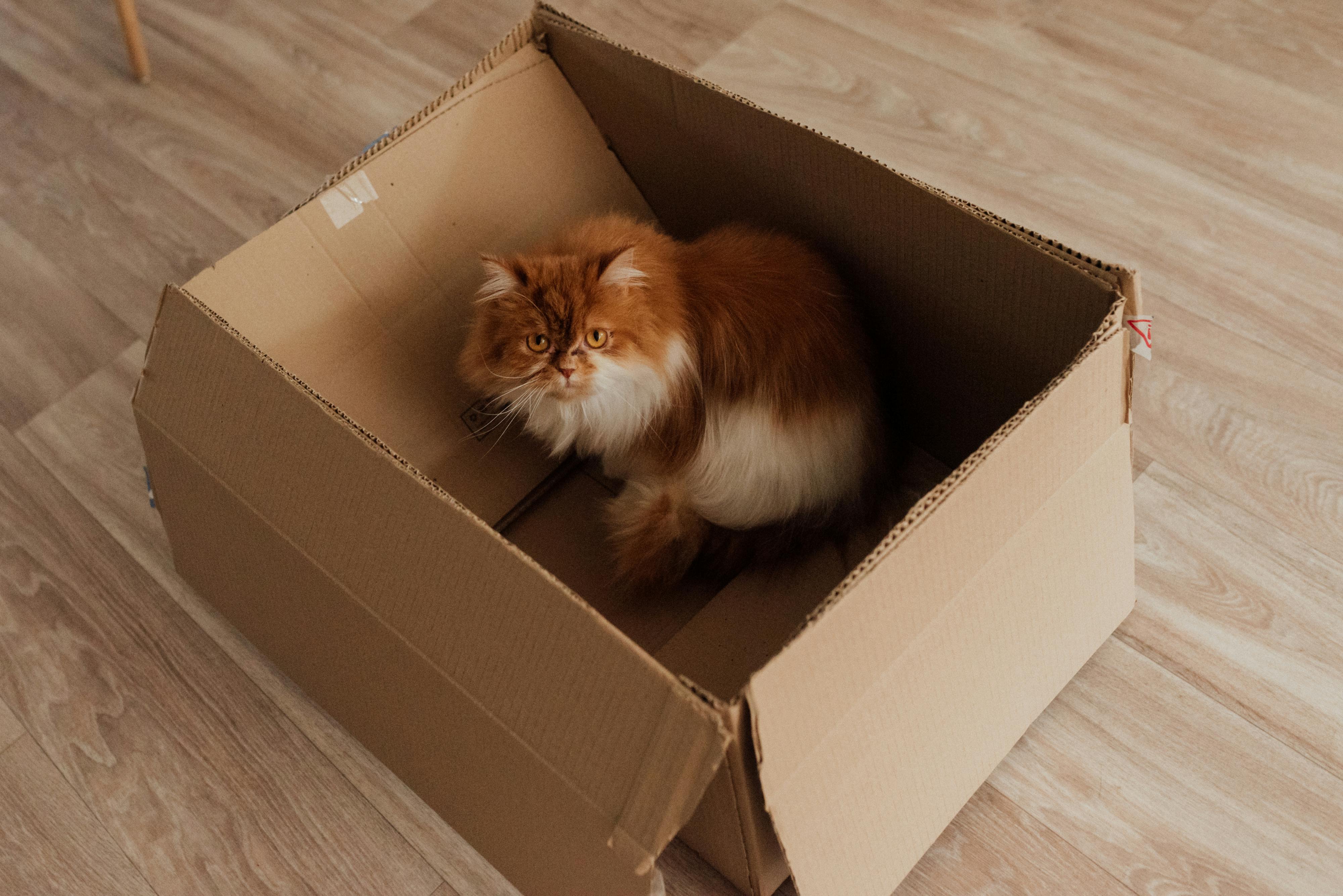
White and orange cat in brown cardboard box

One of the most frustrating cat problems for pet parents? Litter box issues. From peeing outside the box to total litter rejection, it can feel like a messy mystery. But don’t panic—most problems have simple solutions, and your cat isn’t trying to sabotage your carpet on purpose.

๐Ÿšฝ 1. Start with the Basics: Cleanliness

Would you want to use a bathroom that hasn’t been cleaned in days? Neither does your cat. Scoop at least once daily and fully replace litter weekly. A clean box can make all the difference.

๐Ÿ  2. Add More Boxes

The golden rule: one litter box per cat, plus one extra. Got two cats? That’s three boxes. Spread them out in different parts of the house for privacy and access.

๐ŸŒฟ 3. Litter Type Matters

Some cats are picky about texture or scent. Try switching to unscented, clumping litter. Test a few types to see what your cat prefers—sometimes it's that simple!

๐Ÿ“ 4. Check Box Placement

Noisy laundry rooms, high-traffic areas, or spaces near loud appliances can spook your cat. Place litter boxes in quiet, accessible, and private spots.

๐Ÿงผ 5. Avoid Strong Cleaners

Harsh-smelling disinfectants can repel your cat. Use pet-safe, unscented cleaners to wipe down the box, and avoid bleach or citrus-based sprays.

๐Ÿพ 6. Address Medical Issues

If your cat suddenly stops using the litter box, it could be a health issue—like a urinary tract infection or bladder stones. Always consult a vet if the behavior is new or unusual.

๐Ÿ˜ฟ 7. Behavioral Triggers

Stress, territorial issues, or changes in the home (like new pets or moving) can disrupt litter habits. Try Feliway diffusers or calming routines to ease anxiety.

๐Ÿ“ 8. Size & Accessibility

Tiny litter boxes are a no-go for big cats. Also, older or arthritic cats may struggle with high-sided boxes. Try a larger or low-entry model to help them out.

✨ Final Scoop

Litter box issues aren’t a lost cause. With a bit of detective work and empathy, you can turn your cat’s toilet troubles into smooth sailing. Remember—your cat isn’t being naughty, they’re trying to tell you something.

Got a tried-and-true litter tip? Drop it in the comments or share with #LitterBoxFix so others can benefit! ๐Ÿพ

๐Ÿพ Fidge the Cancer-Detecting Cat

Cozy calligraphy session in New York apartment

๐Ÿ“ Location: Redditch, Worcestershire, England, UK
๐Ÿ“… Date: January 2014

The Story:
In early 2014, Angela Tinning noticed strange behavior from her cat Missy (nicknamed Fidge). The cat repeatedly pawed at Angela’s chest and growled when she tried to push her away. Concerned, Angela visited her doctor — and was shocked to learn she had early-stage breast cancer.

Doctors removed the cancer before it could spread. Angela believes Fidge sensed something was wrong and led her to seek medical help just in time.

Even more incredible, Fidge repeated this life-saving behavior a second time years later when Angela’s cancer returned. Again, the cat's behavior prompted early testing and successful treatment.

Angela has called Missy her furry guardian angel — and many believe cats have an instinctive ability to detect changes in their human’s health.


๐Ÿ“ธ Related Photos


๐Ÿ˜ป Conclusion

These real-life stories show us that cats aren't just cuddly pets — they can be intuitive, alert, and deeply bonded to their humans. Whether waking someone from a coma-like seizure or detecting cancer, these cats remind us just how remarkable our feline companions truly are.

Have a cat story to share? Comment below or message us — we’d love to hear it!

Why the Siamese Cat is Considered the Most Intelligent Cat Breed

Brown cat sitting calmly

If you're searching for a feline companion with brains and personality, look no further than the Siamese cat. Renowned for their intelligence, social nature, and curiosity, Siamese cats have captured the hearts of cat lovers worldwide—and there’s plenty of reasons why they top the charts as the smartest breed.


๐Ÿ’ก What Makes the Siamese Cat So Intelligent?

  • Problem-Solving Skills: Siamese cats are quick learners. They can figure out how to open doors, solve simple puzzles, and find creative ways to get what they want. Chewy
  • Vocal and Communicative: Siamese cats “talk” with their owners using a variety of sounds and tones, often carrying on what feels like a conversation. This social intelligence is a sign of a smart mind. Purina
  • Trainability: Unlike some other breeds, Siamese cats can be trained to perform tricks, walk on a leash, or even play fetch. Their eagerness to engage and please makes training easier. Hill's Pet Nutrition
  • Curiosity and Exploration: These cats love to explore and investigate new environments, keeping their minds active and sharp. The Vets

๐Ÿพ Personality Traits of Siamese Cats

Besides being brainy, Siamese cats are affectionate and loyal. They thrive on social interaction and often follow their owners around the house, eager to be part of the action. This breed demands attention and stimulation, which keeps their clever minds busy. Cattylicious


๐Ÿก Is a Siamese Cat Right for You?

While their intelligence and sociability are wonderful, Siamese cats require time, engagement, and companionship. They are not content to be left alone for long periods and benefit from interactive toys, puzzle feeders, and playtime with their humans. The Vets

If you’re ready for a lively, intelligent companion who will keep you entertained and emotionally connected, a Siamese cat might be the perfect choice.


๐Ÿ“š Final Thoughts

The Siamese cat's blend of intelligence, social skills, and affectionate personality make them stand out among feline breeds. Their playful and curious nature not only makes living with them rewarding but also challenges owners to engage their clever minds daily.

Adopting a Siamese means welcoming a cat that will captivate you with both their smarts and heart.