This is default featured slide 1 title

Go to Blogger edit html and find these sentences.Now replace these sentences with your own descriptions.This theme is Bloggerized by Lasantha Bandara - Premiumbloggertemplates.com.

This is default featured slide 2 title

Go to Blogger edit html and find these sentences.Now replace these sentences with your own descriptions.This theme is Bloggerized by Lasantha Bandara - Premiumbloggertemplates.com.

This is default featured slide 3 title

Go to Blogger edit html and find these sentences.Now replace these sentences with your own descriptions.This theme is Bloggerized by Lasantha Bandara - Premiumbloggertemplates.com.

This is default featured slide 4 title

Go to Blogger edit html and find these sentences.Now replace these sentences with your own descriptions.This theme is Bloggerized by Lasantha Bandara - Premiumbloggertemplates.com.

This is default featured slide 5 title

Go to Blogger edit html and find these sentences.Now replace these sentences with your own descriptions.This theme is Bloggerized by Lasantha Bandara - Premiumbloggertemplates.com.

Homemade Cat Treat Recipes

White cat staring at a tray of snacks

Making your own cat treats is a fun and healthy way to show love to your feline friend. Below are a few simple, vet-approved recipes you can try at home using ingredients you may already have in your kitchen.

🐟 1. Tuna & Oat Bites

Ingredients:

  • 1 can of tuna in water (drained)
  • 1 egg
  • 1 cup oat flour

Instructions: Preheat oven to 180°C (350°F). Mix all ingredients, form small balls, place on parchment-lined tray, and bake for 10–12 minutes until firm. Let cool before serving.

🐔 2. Chicken Crunchies

Ingredients:

  • 1/2 cup cooked chicken breast (shredded)
  • 1 tablespoon olive oil
  • 1 tablespoon catnip (optional)
  • 1/2 cup whole wheat flour

Instructions: Combine all ingredients into a dough. Roll out and cut into small shapes. Bake at 180°C (350°F) for 12–15 minutes. Store in an airtight container.

🧀 3. Cheesy Cat Nips

Ingredients:

  • 1/4 cup grated cheddar cheese
  • 1/4 cup plain yogurt
  • 1/2 cup flour

Instructions: Mix ingredients, roll into small balls, flatten slightly, and bake at 180°C (350°F) for 10–12 minutes. Let them cool completely before serving.

🎯 Tip: Always serve treats in moderation and consult your vet before introducing new ingredients to your cat’s diet.

😼 Busting the Myths: Common Misconceptions About Cats

Curious Cat

Cats have been surrounded by mystery, superstition, and misinformation for centuries. While they’re adored by millions, many myths still shape the way people think about these fascinating creatures. Let’s clear the air and debunk some of the most common cat misconceptions.


🚫 Myth #1: Cats Are Aloof and Don’t Care About Humans

While cats are more independent than dogs, they absolutely form strong bonds with their humans. Many cats follow their owners around the house, sleep next to them, and even greet them at the door.

🚫 Myth #2: All Cats Hate Water

While most cats dislike being drenched, some breeds like the Turkish Van actually love water. Many cats are also curious about running taps and may even play with water bowls.

🚫 Myth #3: Cats Always Land on Their Feet

Cats have a “righting reflex” that helps them twist mid-air, but this doesn’t guarantee a safe landing. Falls from short or very high distances can still cause serious injury.

🚫 Myth #4: You Can’t Train a Cat

Actually, you can! With positive reinforcement, cats can learn tricks, respond to their name, and even walk on a leash. It just takes patience — and treats!

🚫 Myth #5: Black Cats Bring Bad Luck

This outdated superstition dates back to medieval times. In many cultures today, black cats are symbols of luck, prosperity, and even love. They're just as wonderful as any other feline.

🚫 Myth #6: Cats Are Nocturnal

Cats are actually crepuscular, meaning they’re most active during dawn and dusk. This is when their wild ancestors hunted — and it’s why your cat may wake you up at 5 AM!

🚫 Myth #7: Cats Don’t Need Regular Vet Visits

Just like dogs, cats need annual checkups, vaccinations, and dental care. Indoor cats are healthier overall but still require vet care to stay in top shape.

🚫 Myth #8: Pregnant Women Should Get Rid of Cats

The concern stems from toxoplasmosis, a parasite that can be transmitted through cat feces. But with proper hygiene (like wearing gloves while cleaning the litter box), the risk is extremely low. No need to rehome your feline friend!


🐾 Final Thoughts

Cats are intelligent, emotional, and deeply connected to the people they trust. Don’t let old myths shape how you see these amazing animals. The more we understand about them, the better we can care for and appreciate their unique ways of showing love.

Have you heard a weird cat myth lately? Share it in the comments below!

Which Cat Breed Fits Your Lifestyle Best?

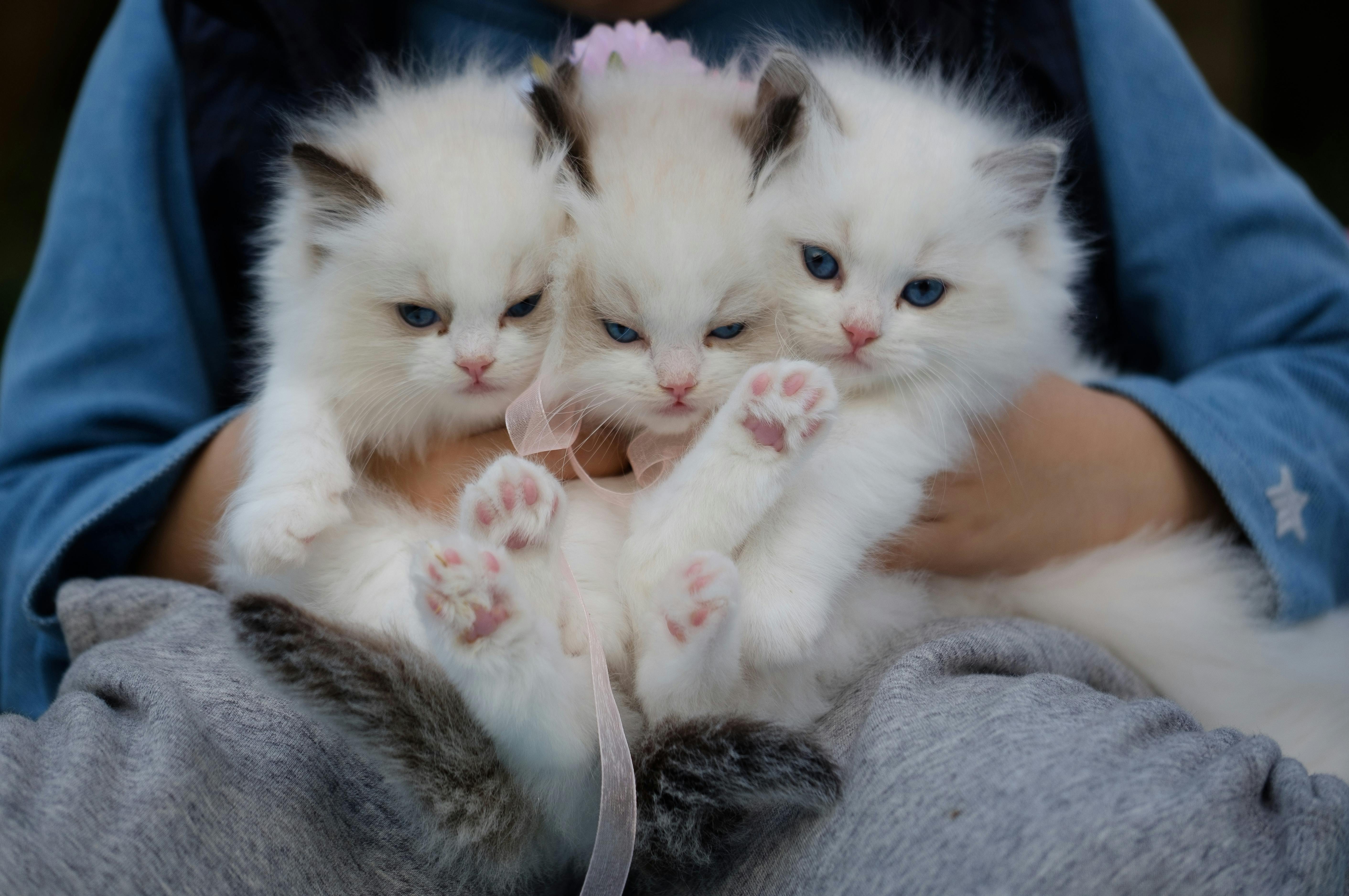
Close-up photo of a hand holding three white kittens

Choosing the right cat breed can make a big difference in your happiness and your pet’s well-being. Different breeds have different personalities, energy levels, and care needs. Here’s a quick guide to help you find the perfect match:

1. Active and Playful

  • Siberian: Energetic, affectionate, and great with families.
  • Bengal: Highly active, loves playtime and mental stimulation.

2. Calm and Easygoing

  • British Shorthair: Laid-back and low maintenance.
  • Ragdoll: Gentle, loves to cuddle, and easygoing.

3. Independent and Low-Need

  • Russian Blue: Quiet, intelligent, and reserved.
  • Scottish Fold: Independent but affectionate on their own terms.

Consider your living space, activity level, and time available for care before selecting a breed. The right fit ensures a happy life for both you and your feline friend!

🐱 Gizmo the Calico – The Cat Who Saved Her Family From Fire

📍 Location: Bartow, Florida, USA
📅 Date: February 20, 2017

Cats are often seen as aloof, but some are life-savers. Meet Gizmo, a one-year-old calico cat who became a hero when she saved her sleeping family from a dangerous house fire.


🔥 The Night It All Happened

In the middle of the night, an oven mitt left on a toaster caught fire in the kitchen of a home in Bartow, Florida. Smoke began to fill the house — but the fire alarms failed to go off.

That's when Gizmo sprang into action. She jumped onto the couch where her owner, Ron Perkins, was asleep, and began pawing at him and meowing loudly.

Her determined cries woke Ron, who quickly noticed the smoke. He rushed to the kitchen and extinguished the fire before it could spread. Thanks to Gizmo’s quick thinking, five family members were saved from what could have been a devastating blaze.

“The cat definitely saved my life!” – Ron Perkins

“I thoroughly believe if she hadn’t woken me up, I’d have been found dead on that sofa this morning.”


👏 A True Feline Hero

Homeowner Warren Brown added, “I think the cat ought to get an award.”

Gizmo’s actions gained media attention, and she received lots of love and treats afterward. The fire didn’t stand a chance against her brave instincts.


🔗 References & News Coverage


📌 Quick Facts

Hero Gizmo, 1-year-old calico cat
Incident Oven mitt caught fire in kitchen
Action Woke owner with meows and pawing
Outcome Fire extinguished, family of 5 unharmed
Quote “The cat definitely saved my life!”

😻 Conclusion

Gizmo reminds us that even the quietest feline companions can become fierce protectors in the face of danger. Her quick thinking saved lives — and earned her a permanent place in her family's hearts.

DIY Cat Toys & Enrichment Ideas

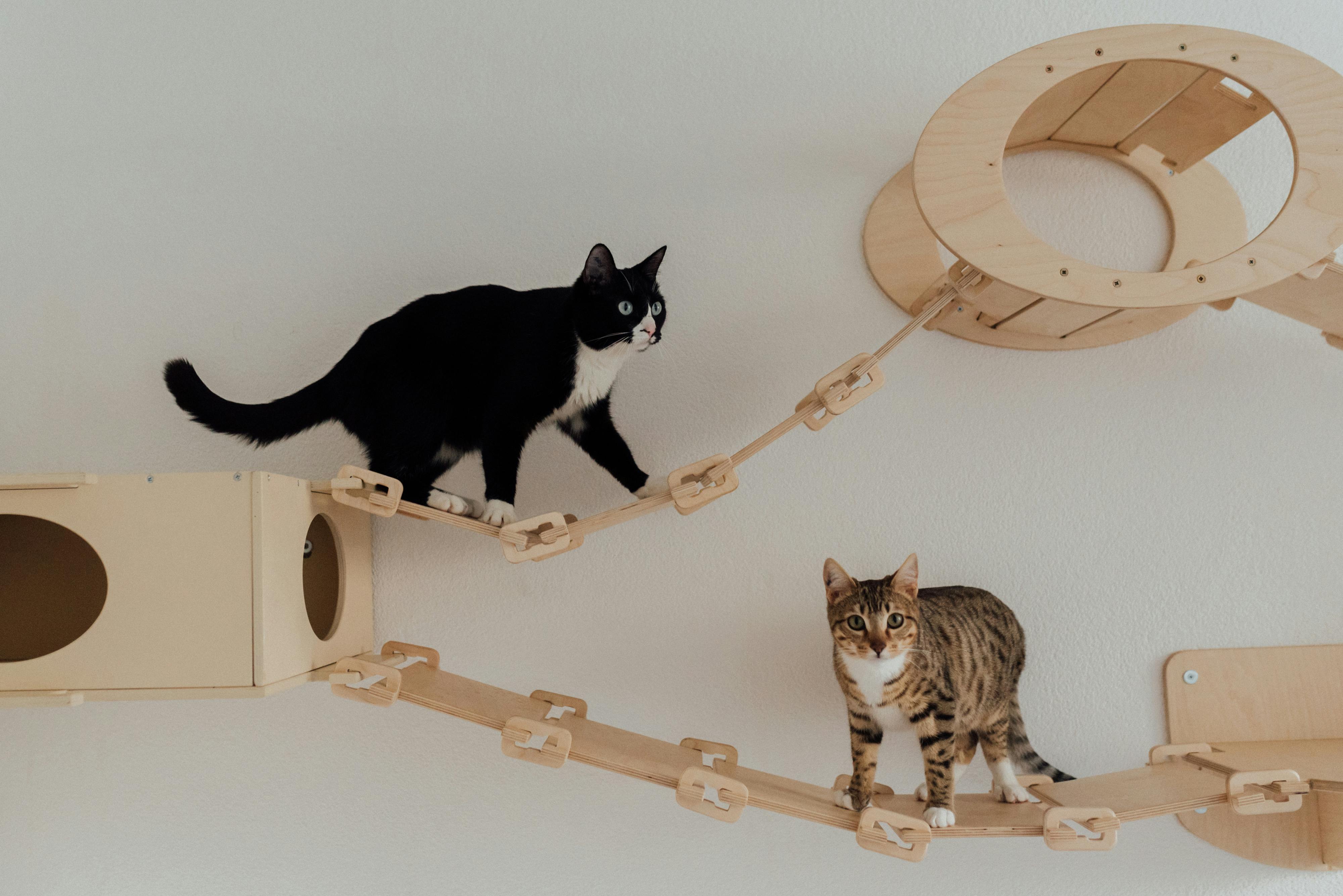
Cats on wall-mounted play house

Your cat may sleep 16 hours a day—but the other 8? That’s prime time for mischief, zoomies, and zoom call photobombs. Keeping your kitty stimulated isn’t just fun—it’s essential for their physical and mental health. The best part? You can do it yourself, often with stuff lying around the house.

🎁 1. Toilet Paper Roll Treat Puzzle

Save a few toilet paper rolls. Stuff them with kibble or treats and fold the ends shut. Let your cat bat them around to discover the goodies inside!

Why it works: Encourages hunting instincts and keeps boredom at bay.

🐭 2. Sock Mice (No Sewing Required!)

Take an old sock, fill it with crumpled newspaper or fabric scraps, add a sprinkle of catnip, and tie the end with a string. Instant toy!

Tip: Use different textures to find what your cat loves most.

📦 3. The "Cat Castle" Box Fort

Got delivery boxes piling up? Create a multi-level cardboard fort by cutting entry holes and stacking boxes. Add blankets inside for comfy hiding spots.

Fact: Cats love vertical space—it gives them a sense of security and control.

🔮 4. Treat Bottle Rattle

Take a clean plastic bottle, poke a few holes just large enough for treats to fall through, and fill with kibble. Let your cat roll it around to "hunt" the rewards.

🐾 5. Window Watching Station

Place a comfy perch near a window. Add a bird feeder outside if possible for built-in Cat TV!

Why it’s enriching: Visual stimulation keeps indoor cats mentally active.

🐾 Prince the Siamese – Hero Cat That Saved a Maryland Family


📍 Location: Gaithersburg, Maryland, USA
📅 Date: July 14, 2024

In the early hours of July 14, 2024, a Siamese cat named Prince became a true hero in a Gaithersburg townhouse that had no working smoke alarms due to ongoing painting.


🔥 A Paw in the Face, a Life Saved

Around 4 a.m., Prince began pawing at three sleeping family members, pulling them from their beds as thick smoke began to fill the home—caused by a malfunctioning freezer motor in the basement kitchen :contentReference[oaicite:1]{index=1}.

The family, overcome by smoke, retreated to a second-floor bedroom and called 911. A basement resident then placed a ladder at the bedroom window, allowing the trio to escape to safety :contentReference[oaicite:2]{index=2}.


😿 A Tragic Sacrifice

Prince briefly escaped outside but jumped back into the burning home—likely searching for other family members. He was later found deceased on the second floor, **succumbing to smoke inhalation** :contentReference[oaicite:3]{index=3}.

The Montgomery County Fire & Rescue Service called him a **“Hero Cat”**, and the family gave him full credit for saving their lives :contentReference[oaicite:4]{index=4}.

“If it weren’t for Prince waking me up, we would all be dead. He truly saved our lives, and I believe he is our angel.” :contentReference[oaicite:5]{index=5}


🔗 References & Further Reading


📌 Quick Facts

HeroPrince, Siamese cat
DateJuly 14, 2024
IncidentBasement freezer motor caused house fire
ActionWoke family by pawing at them early morning
OutcomeFamily escaped; Prince died from smoke inhalation
RecognitionCalled “Hero Cat” by MCFRS

💞 In Memory of Prince

Prince’s bravery—rushing back into danger to ensure no one was left behind—serves as a touching reminder of the powerful bond between humans and their pets. His sacrifice saved lives and touches our hearts.

🔎 Search Link

Find more details by Googling: “Prince Siamese cat Gaithersburg fire”

Litter Box Fix

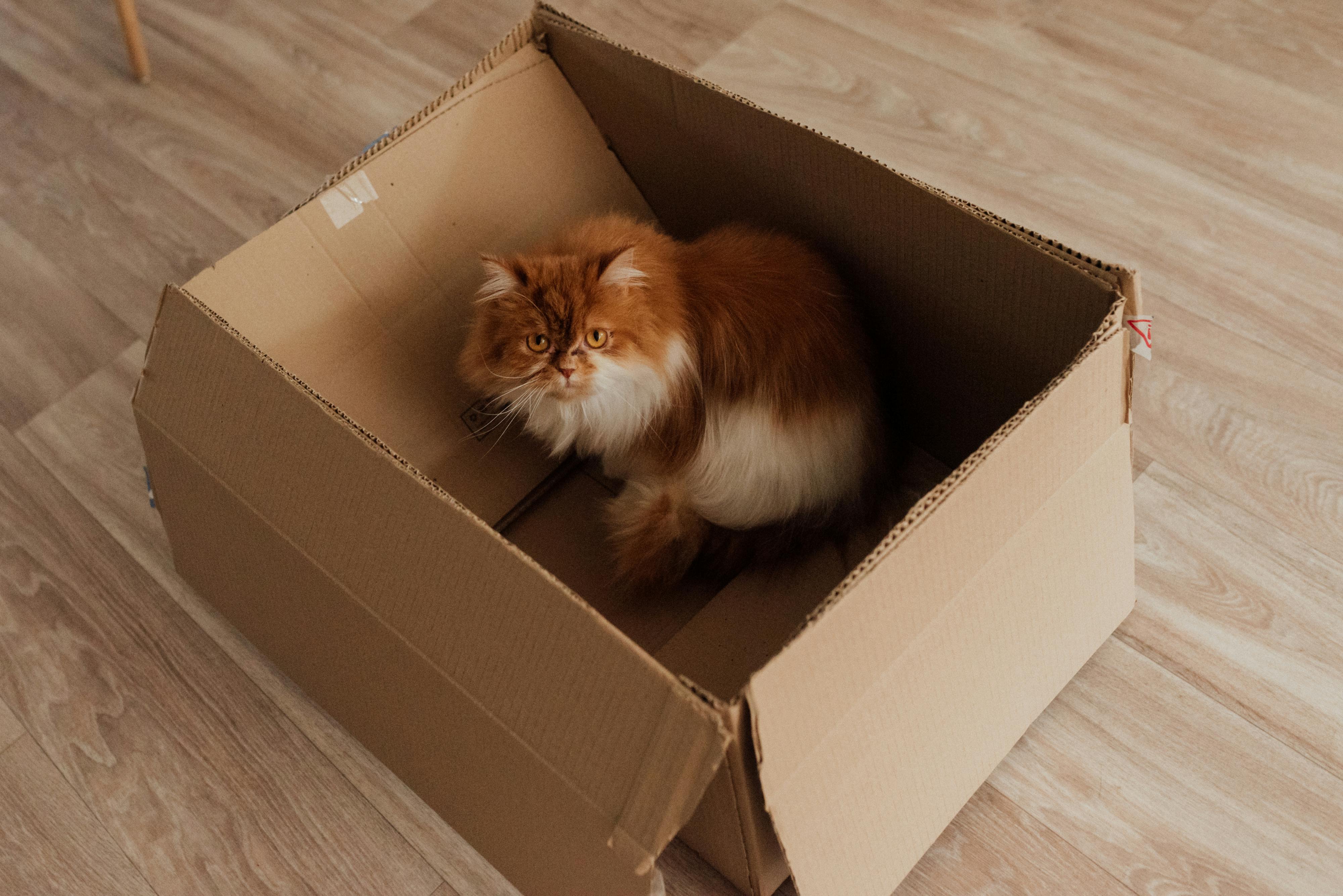
White and orange cat in brown cardboard box

One of the most frustrating cat problems for pet parents? Litter box issues. From peeing outside the box to total litter rejection, it can feel like a messy mystery. But don’t panic—most problems have simple solutions, and your cat isn’t trying to sabotage your carpet on purpose.

🚽 1. Start with the Basics: Cleanliness

Would you want to use a bathroom that hasn’t been cleaned in days? Neither does your cat. Scoop at least once daily and fully replace litter weekly. A clean box can make all the difference.

🏠 2. Add More Boxes

The golden rule: one litter box per cat, plus one extra. Got two cats? That’s three boxes. Spread them out in different parts of the house for privacy and access.

🌿 3. Litter Type Matters

Some cats are picky about texture or scent. Try switching to unscented, clumping litter. Test a few types to see what your cat prefers—sometimes it's that simple!

📍 4. Check Box Placement

Noisy laundry rooms, high-traffic areas, or spaces near loud appliances can spook your cat. Place litter boxes in quiet, accessible, and private spots.

🧼 5. Avoid Strong Cleaners

Harsh-smelling disinfectants can repel your cat. Use pet-safe, unscented cleaners to wipe down the box, and avoid bleach or citrus-based sprays.

🐾 6. Address Medical Issues

If your cat suddenly stops using the litter box, it could be a health issue—like a urinary tract infection or bladder stones. Always consult a vet if the behavior is new or unusual.

😿 7. Behavioral Triggers

Stress, territorial issues, or changes in the home (like new pets or moving) can disrupt litter habits. Try Feliway diffusers or calming routines to ease anxiety.

📏 8. Size & Accessibility

Tiny litter boxes are a no-go for big cats. Also, older or arthritic cats may struggle with high-sided boxes. Try a larger or low-entry model to help them out.

✨ Final Scoop

Litter box issues aren’t a lost cause. With a bit of detective work and empathy, you can turn your cat’s toilet troubles into smooth sailing. Remember—your cat isn’t being naughty, they’re trying to tell you something.

Got a tried-and-true litter tip? Drop it in the comments or share with #LitterBoxFix so others can benefit! 🐾

🐾 Fidge the Cancer-Detecting Cat

Cozy calligraphy session in New York apartment

📍 Location: Redditch, Worcestershire, England, UK
📅 Date: January 2014

The Story:
In early 2014, Angela Tinning noticed strange behavior from her cat Missy (nicknamed Fidge). The cat repeatedly pawed at Angela’s chest and growled when she tried to push her away. Concerned, Angela visited her doctor — and was shocked to learn she had early-stage breast cancer.

Doctors removed the cancer before it could spread. Angela believes Fidge sensed something was wrong and led her to seek medical help just in time.

Even more incredible, Fidge repeated this life-saving behavior a second time years later when Angela’s cancer returned. Again, the cat's behavior prompted early testing and successful treatment.

Angela has called Missy her furry guardian angel — and many believe cats have an instinctive ability to detect changes in their human’s health.


📸 Related Photos


😻 Conclusion

These real-life stories show us that cats aren't just cuddly pets — they can be intuitive, alert, and deeply bonded to their humans. Whether waking someone from a coma-like seizure or detecting cancer, these cats remind us just how remarkable our feline companions truly are.

Have a cat story to share? Comment below or message us — we’d love to hear it!

Why the Siamese Cat is Considered the Most Intelligent Cat Breed

Brown cat sitting calmly

If you're searching for a feline companion with brains and personality, look no further than the Siamese cat. Renowned for their intelligence, social nature, and curiosity, Siamese cats have captured the hearts of cat lovers worldwide—and there’s plenty of reasons why they top the charts as the smartest breed.


💡 What Makes the Siamese Cat So Intelligent?

  • Problem-Solving Skills: Siamese cats are quick learners. They can figure out how to open doors, solve simple puzzles, and find creative ways to get what they want. Chewy
  • Vocal and Communicative: Siamese cats “talk” with their owners using a variety of sounds and tones, often carrying on what feels like a conversation. This social intelligence is a sign of a smart mind. Purina
  • Trainability: Unlike some other breeds, Siamese cats can be trained to perform tricks, walk on a leash, or even play fetch. Their eagerness to engage and please makes training easier. Hill's Pet Nutrition
  • Curiosity and Exploration: These cats love to explore and investigate new environments, keeping their minds active and sharp. The Vets

🐾 Personality Traits of Siamese Cats

Besides being brainy, Siamese cats are affectionate and loyal. They thrive on social interaction and often follow their owners around the house, eager to be part of the action. This breed demands attention and stimulation, which keeps their clever minds busy. Cattylicious


🏡 Is a Siamese Cat Right for You?

While their intelligence and sociability are wonderful, Siamese cats require time, engagement, and companionship. They are not content to be left alone for long periods and benefit from interactive toys, puzzle feeders, and playtime with their humans. The Vets

If you’re ready for a lively, intelligent companion who will keep you entertained and emotionally connected, a Siamese cat might be the perfect choice.


📚 Final Thoughts

The Siamese cat's blend of intelligence, social skills, and affectionate personality make them stand out among feline breeds. Their playful and curious nature not only makes living with them rewarding but also challenges owners to engage their clever minds daily.

Adopting a Siamese means welcoming a cat that will captivate you with both their smarts and heart.

🐾 Nina the Kitten – Led Family to Safety, Tragically Lost

📍 Location: Forest Park, Ohio, USA
📅 Date: March 4, 2022

In the early hours of March 4, 2022, in Forest Park, Ohio, a five-month-old kitten named Nina woke her owner, Allysa, by jumping gently onto her face at around 5 a.m. What seemed like a routine wake-up was far more urgent.


🔥 Smoke, Panic & Escape

Allysa let Nina outside for a moment, but upon reentering the home, she was overwhelmed by thick, black smoke filling the house. Flames had erupted in the basement from a malfunctioning water heater :contentReference[oaicite:1]{index=1}.

Nina proved to be the family's guardian that morning—leading Allysa, her husband Marc, and their four children out of the house to safety :contentReference[oaicite:2]{index=2}. Nina escaped initially but returned to check on the children. Tragically, she was found later in the children's bedroom, having succumbed to the blaze :contentReference[oaicite:3]{index=3}.

“The kitten was just in my face,” recalled Allysa about the wake-up call :contentReference[oaicite:4]{index=4}.

“We owe our lives to our kitten,” the family later said :contentReference[oaicite:5]{index=5}.


🌱 Honoring Nina’s Memory

Grieving the loss of their hero, the family buried Nina in their backyard and plans to plant a tree in her honor, lighting it on March 4 each year to remember their brave little kitten :contentReference[oaicite:6]{index=6}.


🔗 Reference & News Coverage


📌 Quick Facts

HeroNina, 5‑month‑old kitten
IncidentBasement fire from water heater
ActionWoke family & led them outside
OutcomeFamily of 6 escaped safely; kitten died
MemorialBuried in backyard; memorial tree

😿 Conclusion

Nina's story is one of courage and sacrifice. Though very young, she risked her own life to save her human family. Every March 4th, her legacy lives on through the memorial tree, reminding everyone that heroism can come in the smallest, furriest packages.

Best Supplements for Senior Cats

Woman holding tuxedo cat

As cats age, their nutritional needs change, and supplements can help support their health, mobility, and overall well-being. Here’s a list of some of the best supplements to consider for your senior feline friend:

1. Omega-3 Fatty Acids

Omega-3s, often found in fish oil, help reduce inflammation, support joint health, and improve skin and coat condition.

2. Glucosamine and Chondroitin

These supplements promote joint health and mobility, especially useful for cats with arthritis or stiffness.

3. Probiotics

Probiotics support digestive health by balancing gut bacteria, which can improve nutrient absorption and reduce gastrointestinal issues.

4. Antioxidants

Supplements like vitamins C and E help combat oxidative stress, supporting overall cellular health and immune function.

5. Taurine

Taurine is an essential amino acid for cats that supports heart health, vision, and reproductive function.

6. B Vitamins

B vitamins assist with energy metabolism and nervous system health, which can decline with age.

Important Tips

  • Always consult your veterinarian before starting any supplement regimen.
  • Use supplements formulated specifically for cats, not dogs or humans.
  • Monitor your cat for any changes or side effects when introducing new supplements.

With the right supplements and care, senior cats can enjoy a comfortable and happy life well into their golden years.

🐾 Cat Wellness & Mental Health: A Guide to a Happy Feline Life

Close-up of sphynx cat on black background

When we think about cat health, we often focus on physical needs — food, litter, and vet visits. But just like humans, cats also need mental stimulation, emotional security, and a stress-free environment to thrive. Let’s explore how to support your cat’s overall wellness and mental health.


🧠 Why Mental Health Matters for Cats

Cats are sensitive creatures. Boredom, loneliness, lack of routine, or overstimulation can lead to anxiety, aggression, or depression. A mentally healthy cat is curious, relaxed, affectionate (on their terms), and playful.

😿 Signs Your Cat Might Be Stressed or Unwell Mentally

  • Hiding more than usual
  • Overgrooming or pulling out fur
  • Sudden aggression or fearfulness
  • Loss of appetite or changes in litter box habits
  • Destructive behavior (scratching walls, chewing cords)

If you notice any of these signs, rule out medical issues first, then evaluate their environment and routines.

🏡 Creating a Stress-Free Environment

  • Safe Spaces: Give your cat quiet zones to retreat to when overwhelmed.
  • Routine: Feed, play, and interact with them around the same times daily.
  • Litter Box Comfort: Keep it clean and in a low-traffic area. One box per cat + 1 extra is ideal.

🎾 Enrichment Tips to Boost Mental Health

  • Interactive Toys: Wand toys, puzzle feeders, and balls keep their mind sharp.
  • Window Views: Let them watch birds or the neighborhood through a secure window perch.
  • Climbing Options: Cat trees and shelves let them explore vertically, which feels safe and empowering.
  • Training: Teaching tricks or clicker training engages their brain and strengthens your bond.

👩‍⚕️ When to Seek Professional Help

If your cat’s behavior suddenly changes or they show signs of anxiety or depression that don’t improve, consult your veterinarian. In some cases, a vet may recommend pheromone diffusers, behavior therapy, or calming supplements.


🐾 Final Thoughts

A happy cat isn’t just healthy on the outside — they need mental peace and enrichment too. By tuning into your cat’s behavior and needs, you can help them feel secure, loved, and content every day.

😺 Want to share your wellness routine for your cat? Drop it in the comments!

🐾 The Working Life of a Service Cat: Average Years in Emotional Support & Beyond 🕰️

A white cat in the woods with green leaves

Cats have long been cherished companions for their calming presence and emotional support. While dogs are more commonly associated with service work, cats also provide valuable emotional and therapeutic assistance to many individuals, especially those struggling with anxiety, PTSD, or depression. But have you ever wondered—how long do cats live in service?

Let’s explore the lifespan of service cats, their roles, and how to ensure their health and happiness throughout their journey.

🧠 What Is a Service Cat?

While cats cannot legally be registered as service animals under the Americans with Disabilities Act (ADA), they can be recognized as Emotional Support Animals (ESAs) or even as therapy cats in hospitals, nursing homes, and homes with people who need mental or emotional support.

These cats are trained (formally or naturally adapted) to:

  • Provide comfort during anxiety attacks
  • Cuddle to relieve loneliness or trauma
  • Soothe individuals with sensory processing issues
  • Help establish daily routines for those with mental illness
  • Offer affection and calmness in clinical settings

⏳ Average Lifespan of a Cat in Service

🐈 General Cat Lifespan:

Most domestic cats live 12 to 18 years, with many reaching their 20s with proper care. The Guinness World Record for the oldest cat goes to Creme Puff, who lived an astounding 38 years!

🛎️ Service Lifespan:

A cat offering emotional support or therapy typically "serves" from around 1 year old (after full maturity) up to 10 to 15 years, depending on:

  • Health
  • Temperament
  • Stress levels in their environment
  • Type of support required

After around age 12, most service cats may retire from active roles, especially if their health begins to decline or they start showing signs of fatigue or overstimulation.

❤️ Tips to Extend Your Service Cat's Life

  • Routine Vet Visits:
    Early detection of illness can make a big difference.
  • Proper Nutrition:
    Feed age-appropriate, vet-recommended food to support brain and joint health.
  • Mental & Emotional Health:
    Service work can be emotionally taxing for cats too. Provide quiet time and personal space regularly.
  • Play & Enrichment:
    Keep them active and stimulated through toys, climbing spaces, and bonding time.
  • Stress Management:
    Avoid overwhelming environments. Respect their signals—they’re not machines!

💤 When Do Service Cats Retire?

Just like people, cats deserve retirement too. Signs a service cat is ready to retire include:

  • Loss of interest in interaction
  • Hiding more often
  • Increased irritability or anxiety
  • Age-related illnesses or fatigue

A retired service cat still makes a wonderful companion—and often becomes even more affectionate once the pressure of “working” is lifted.

💬 Final Thoughts: Years of Love and Loyalty

A service cat may live a long and fulfilling life, often serving in a supportive role for 10 to 15 years, sometimes more. Their ability to sense human emotion and provide warmth, purr therapy, and gentle companionship is unmatched.

If you're lucky enough to share your life with a cat like this, cherish every purr, blink, and soft paw touch—because they’re not just animals, they’re furry healers in disguise.

What to Expect When Adopting a Senior Cat

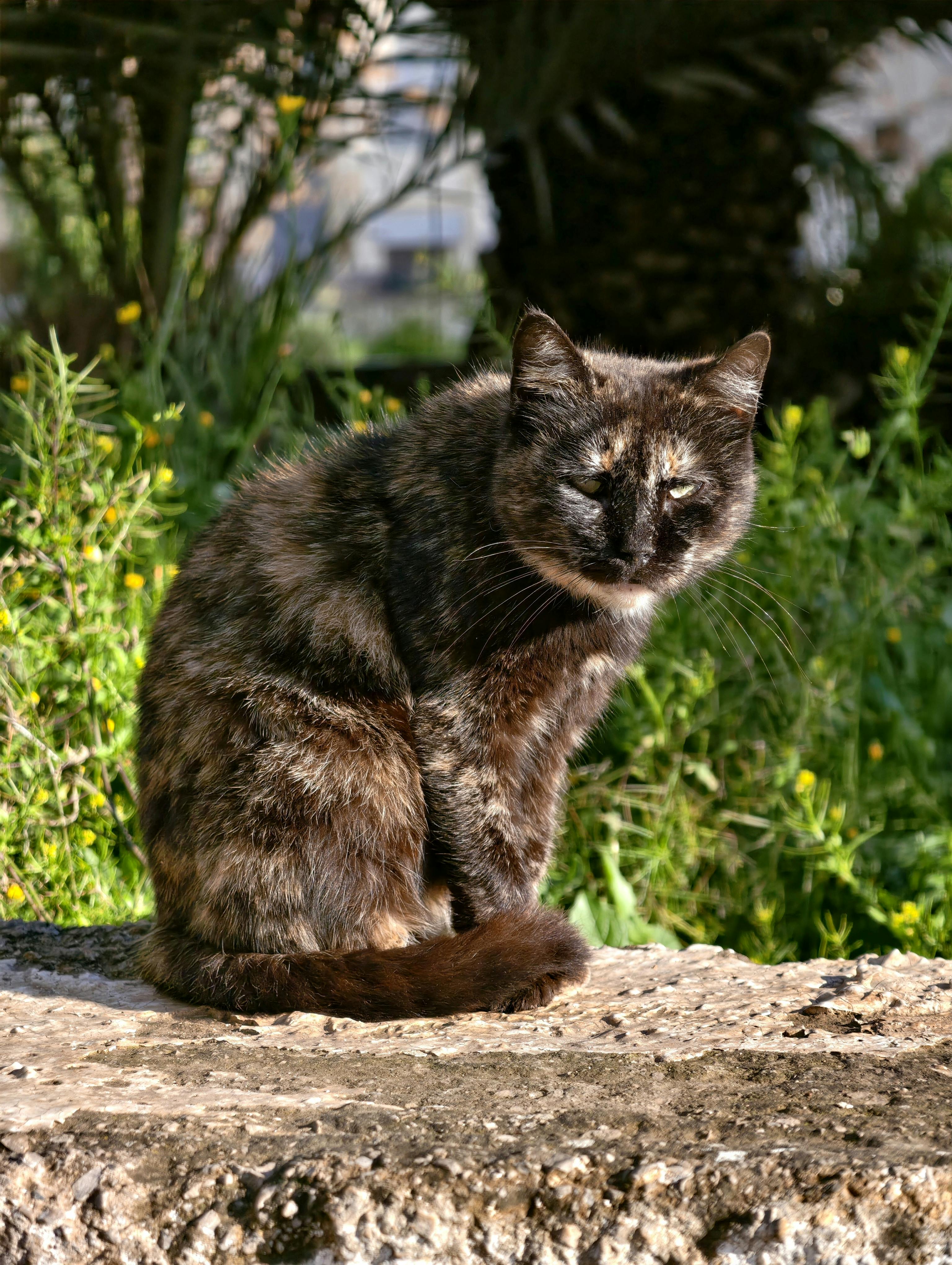
Tortoiseshell cat sunbathing outdoors in nature

Adopting a senior cat is a heartwarming and rewarding experience. Older cats often find themselves in shelters after years of loyal companionship, and they deserve a second chance at love and comfort. But what exactly should you expect when bringing a senior feline into your home?

1. Slower Pace, But Still Playful

Senior cats may not bounce around like kittens, but many still enjoy interactive toys and gentle play. Don’t underestimate their spark—some remain active well into their golden years!

2. Instant Companionship

Unlike younger cats who need time to grow and learn, senior cats often settle in quickly. Most are already litter-trained, accustomed to household routines, and simply looking for a warm lap and kind words.

3. Health Awareness

Older cats may need more frequent vet checkups, special diets, or medications. This isn't a burden—it's part of the love you give back. Be prepared for age-related conditions like arthritis, dental issues, or kidney care.

4. Unique Personality

With a senior cat, what you see is what you get. Their personality is already developed, so you’ll know right away if they’re a cuddler, a chatterbox, or a quiet observer.

5. Deep Gratitude

There’s something profoundly touching about the bond with a senior cat. They seem to know they’ve been given a second chance—and they return that kindness tenfold.

Final Thoughts

If you’re thinking about adoption, consider giving your heart to a senior cat. They may not have as many years ahead, but their love and loyalty will fill your life in a way that’s truly unforgettable.

🏠 Every cat deserves a loving home—especially the ones with a little more life experience. 🐾

📘 How to Stop Being Scared of Cats

Person petting the cat

Frightened woman

A simple guide to overcoming your fear and maybe even becoming a cat lover.


🐾 Table of Contents

📌 Introduction

  • 💡 Why I Wrote This Book
  • 😌 You’re Not Weird (and You’re Not Alone)
  • 📖 What to Expect from This Guide

🧠 Part 1: Understanding Your Fear

  • 🎈 Where Did This Fear Come From?
  • 🧐 What Are You Really Afraid Of?
  • 🐈 What Are Cats Actually Like?

👀 Part 2: Getting More Comfortable with Cats

  • 📷 Start Small: Photos, Videos & Cartoons
  • 👁️ Watch a Real Cat from a Safe Distance
  • 🧘‍♀️ Being Near a Cat Without Freaking Out

🤝 Part 3: Interacting with a Cat (For Real)

  • 🐾 Meeting a Calm, Friendly Cat
  • 📡 How to Read a Cat’s Body Language
  • ✋ First Contact: Petting Without Panic

💪 Part 4: Moving Beyond the Fear

  • 🏠 Living Near or With Cats Without Worry
  • 🐱 When You’re Ready: Thinking About Getting a Cat
  • 🎉 From Fear to Friendship

🎁 Bonus Section

  • 🌬️ Simple Breathing Exercise
  • 📊 Printable “Cat Feelings Chart”
  • 📣 Real Stories from People Who Overcame Their Fear
  • 📚 Helpful Videos and Books You Can Check Out

💡 Why I Wrote This Book

As a vector designer, I spend most of my days in a creative flow—drawing, designing, and chasing colors. Some people say that working alone makes me lonely. But honestly? I'm not alone at all. I have my purr baby right beside me. 🐱

This book was born from a mix of healing and gratitude. I used to be afraid of cats. As a child, I was scratched badly—bad enough that it left me with a scar. And that fear stuck with me for years. I avoided cats, flinched when they got close, and thought I could never trust them.

But life has a soft way of surprising you.

One gentle cat, one soft purr at a time, helped me heal—not just from the fear, but from the anxiety I didn’t know how to express. Now, my cat is more than just a pet. They're my daily comfort, a quiet companion who reminds me to breathe, pause, and be present. And in return, I’ve learned that loving—even something I once feared—can completely reshape your heart.

---

😌 You’re Not Weird (and You’re Not Alone)

If you're reading this and you're afraid of cats—please know you're not weird, and you're definitely not alone. Fear is a very human thing. Whether it came from a bad experience (like mine), a story you heard, or just not knowing what to expect from cats... your fear is valid.

But you’re also allowed to grow beyond it. You can change your story. If I, someone who once feared their claws, can now cuddle one to sleep each night, you can absolutely find peace with cats too.


📖 What to Expect from This Guide

This guide is soft and judgment-free—just like a sleepy kitten in the sun. 🌞 It’s not about forcing you to love cats. It’s about helping you understand them, understand your fear, and slowly build trust again—on your own terms.

You’ll find personal stories, gentle steps, calming tools, and comforting reminders that you can take at your own pace. Whether you want to live peacefully with cats, visit friends who have them, or one day adopt your own, this book is here for that quiet transformation.

Because healing can purr, and kindness—especially to ourselves—is the real goal. 💛


🧠 Part 1: Understanding Your Fear

  • 🎈 Where Did This Fear Come From?
    Fear of cats often starts with an early experience that scared us—like being scratched, startled, or chased. For me, it was a deep scratch that left a scar when I was a child. Our brains remember these moments as warnings to protect us. Sometimes, stories or warnings from others about “mean” or “wild” cats add to that fear. It’s natural for your mind to try to keep you safe, even if it means avoiding cats altogether.
  • 🧐 What Are You Really Afraid Of?
    Fear can be tricky because it might not always be about cats themselves. Maybe it’s the sharp claws, sudden movements, loud meows, or even just feeling unsure how to act around them. Sometimes we fear being hurt or embarrassed. Understanding exactly what makes you anxious helps you take small steps to feel safe. Is it the unpredictability? The scratching? Or just not knowing how cats behave?
  • 🐈 What Are Cats Actually Like?
    Cats are curious, sensitive, and sometimes mysterious creatures. They aren’t trying to scare or harm you—they communicate through body language and sounds. For example, a slow blink means “I trust you,” and a puffed-up tail means they’re frightened. Most cats prefer quiet, gentle interactions and don’t want to startle anyone. Once you learn their signals, cats become less unpredictable and more like furry friends.

👀 Part 2: Getting More Comfortable with Cats

  • 📷 Start Small: Photos, Videos & Cartoons
    Begin your journey by simply looking at pictures and videos of cats. Funny cat videos or cute cartoons are gentle ways to get familiar with their looks and typical behaviors without feeling overwhelmed. This step lets you enjoy cats from a safe, relaxed distance—no surprises, no sudden movements.
  • 👁️ Watch a Real Cat from a Safe Distance
    When you feel ready, try observing a calm cat in real life—but from across the room. Whether at a friend’s house or a quiet cat café, watching how cats move, play, and relax helps you learn their habits. Seeing their peaceful moments can reduce anxiety and build curiosity instead of fear.
  • 🧘‍♀️ Being Near a Cat Without Freaking Out
    Being physically close to a cat can be intimidating at first. Practice deep breathing and stay calm. Remind yourself that you’re safe and that most cats prefer gentle, quiet interactions. Taking slow, controlled breaths will help keep your body relaxed even if your mind is a bit nervous.

🤝 Part 3: Interacting with a Cat (For Real)

  • 🐾 Meeting a Calm, Friendly Cat
    Choose a calm, patient cat for your first real interaction. Let the cat approach you, don’t rush or force contact. Sit quietly and offer your hand slowly. A calm cat will often sniff or gently rub against you when they’re comfortable.
  • 📡 How to Read a Cat’s Body Language
    Cats communicate a lot through their body. Watch their ears, tail, eyes, and posture. For example, relaxed ears and a softly swishing tail usually mean they’re happy and open to interaction. Flattened ears or a twitching tail can be signs to give them space.
  • ✋ First Contact: Petting Without Panic
    When you’re ready to pet, start by gently stroking safe areas like under the chin or behind the ears. Avoid sudden movements or touching the belly at first. If the cat pulls away or shows signs of discomfort, respect their boundaries and try again later.

💪 Part 4: Moving Beyond the Fear

  • 🏠 Living Near or With Cats Without Worry
    Once you’ve built some comfort, spending time in homes with cats can feel natural. You’ll begin to understand their routines and how they show affection. If you live with cats, keeping your space calm and predictable will help both you and your furry friend feel at ease.
  • 🐱 When You’re Ready: Thinking About Getting a Cat
    Getting a cat is a big step. Consider breeds known for calm temperaments if you’re still easing your fear. Remember, it’s okay to take your time and choose a cat that matches your lifestyle and comfort level.
  • 🎉 From Fear to Friendship
    The ultimate goal is not just to be unafraid but to build a genuine bond. With patience and kindness toward yourself and the cats, you can move from anxiety to joy, from fear to friendship. Cats can become loving companions who enrich your life in unexpected ways.

🎁 Bonus Section

  • 🌬️ Simple Breathing Exercise

    When you feel anxious around cats or just need a moment to calm down, try this easy breathing exercise:

    1. Find a comfortable seat and sit up straight but relaxed.
    2. Close your eyes if you feel comfortable doing so.
    3. Take a slow, deep breath in through your nose for a count of 4 seconds.
    4. Hold your breath gently for 4 seconds.
    5. Exhale slowly through your mouth for a count of 6 seconds, letting all the tension out.
    6. Pause and hold your breath for 2 seconds before repeating.
    7. Repeat this cycle 5 times, focusing only on your breath.

    This simple technique helps slow your heart rate and ease nervous feelings, making it easier to stay calm around cats or in any stressful situation.

  • 📊 Printable “Cat Feelings Chart”
    A handy visual guide to common cat body language and what it means. Print it out and keep it nearby for quick reference.
  • 📣 Real Stories from People Who Overcame Their Fear
    Inspiring personal accounts from others who started scared but found peace and joy with cats.
  • 📚 Helpful Videos and Books You Can Check Out
    Curated list of gentle resources for learning more about cats, their behavior, and tips for overcoming fear.

New Cat, Meet the Crew

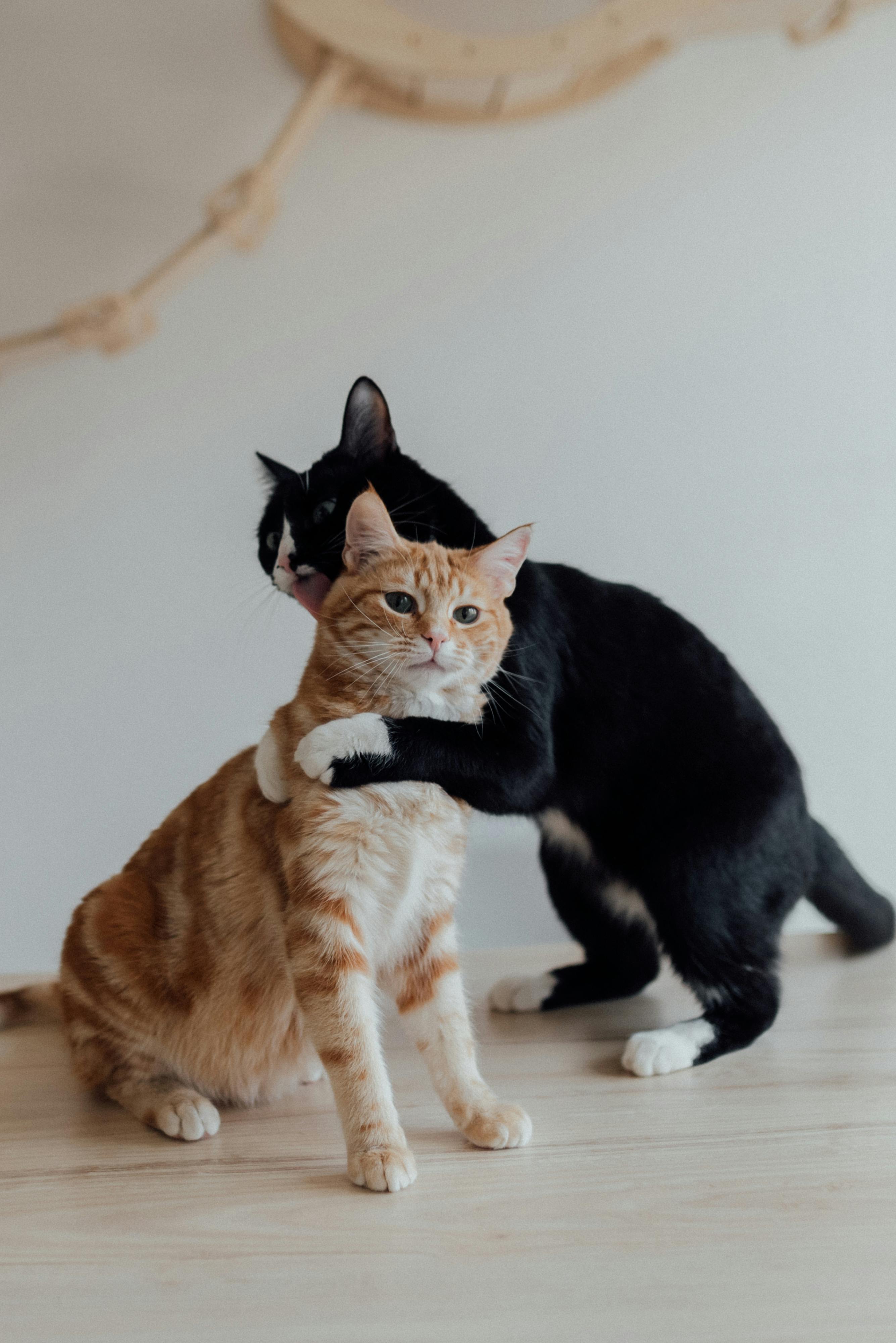
Tuxedo cat hugging orange tabby cat

Bringing home a new cat? Exciting! But if you already have pets, it’s like mixing characters from different TV shows—will it be a heartwarming crossover or a full-blown fur-fight?

Here’s how to keep the peace and create a harmonious furry household. Spoiler: it takes more than tossing them in a room and hoping for the best.

🐾 Step 1: Prep a Safe Space

Set up a private room for your new cat with a litter box, food, water, bed, and toys. This gives them a stress-free area to adjust.

Fact: Cats are territorial. Giving them their own turf prevents defensive behavior.

👃 Step 2: Swap Scents

Use a soft cloth to pick up each pet’s scent and place it where the other can smell it. This lets them “meet” through smell, which is how cats get familiar.

Pro Tip: Pair scent exposure with treats or meals for positive association.

👀 Step 3: Let Them See Each Other

Use a baby gate or cracked door for brief visual intros. Keep it short and positive—watch for calm body language (no hissing or fluffed-up tails).

🍽️ Step 4: Feed Near the Door

Place their bowls on opposite sides of the door. Gradually move them closer each meal until they’re calmly eating near each other.

Why it works: Eating near one another creates a sense of shared routine and safety.

🐱 Step 5: Supervised Visits

Once they’re chill near the door, allow short hangouts under supervision. Distract with toys and treats to keep things light.

Remember: Not all pets become BFFs. Co-existing peacefully is still a win.

🚫 What to Avoid

  • No forced meetings—slow is safe.
  • Don’t punish hissing—it’s communication, not bad behavior.
  • Don’t neglect your current pet—they still need attention and reassurance.

🎉 The Happy Ending

A smooth introduction means fewer conflicts, happier pets, and less stress for you. Give them time, use positive reinforcement, and you’ll be on your way to a multi-pet household that actually works.

Got your own intro story? Drop it in the comments or tag us with #PawsMeetPaws on social! 🐾

Hydration Tips: Why Cats Need Fresh Water Daily

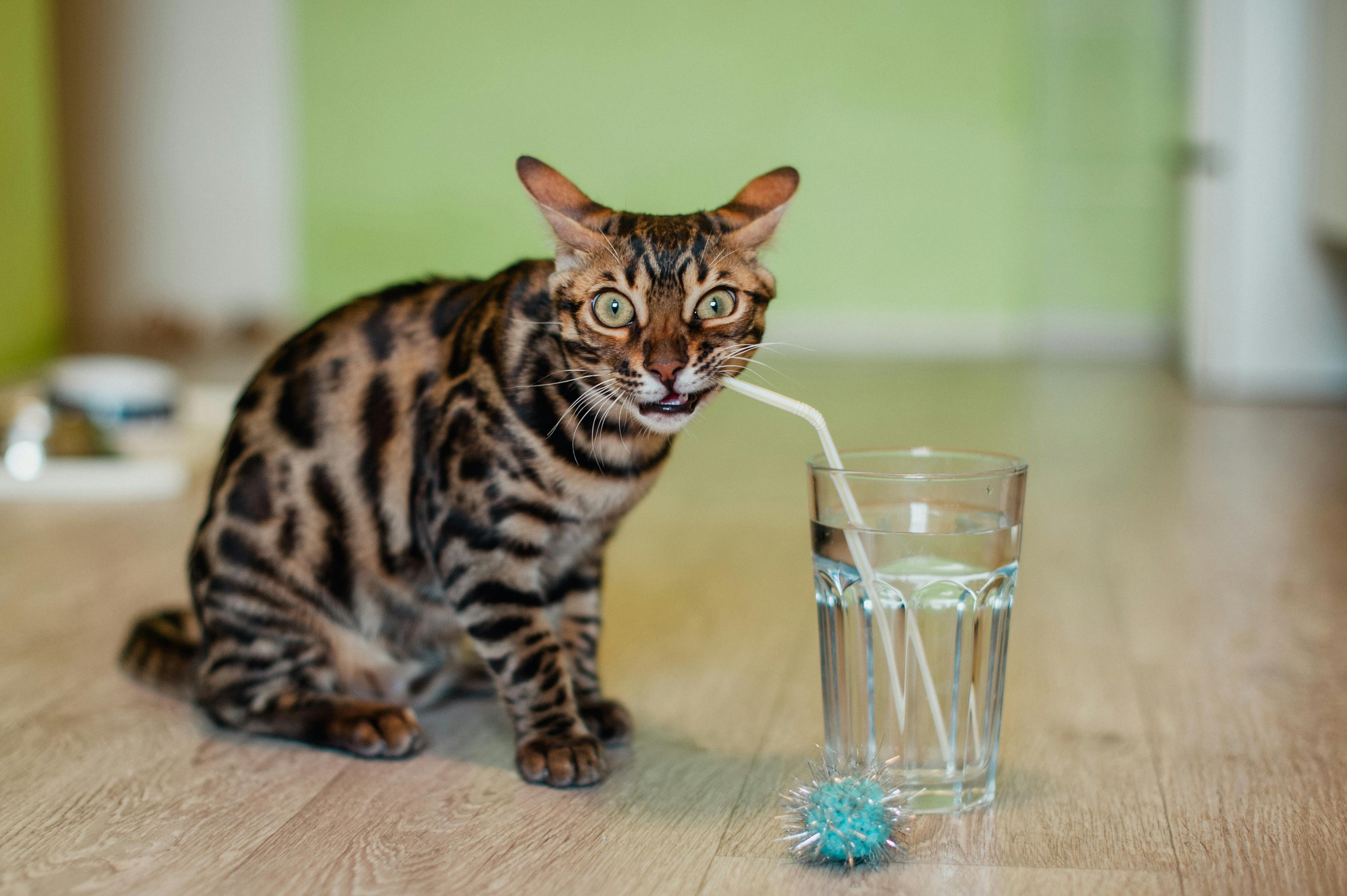
Cat drinking water with straw

Cats are often not great at drinking enough water, which can lead to health issues such as urinary tract infections and kidney problems. Here are some tips to encourage your cat to stay well hydrated:

  • Fresh water daily: Always provide clean, fresh water. Change it at least once a day.
  • Multiple water bowls: Place water bowls in different locations to encourage drinking.
  • Use a water fountain: Many cats prefer running water which can entice them to drink more.
  • Wet food: Incorporate wet cat food into their diet to increase moisture intake.
  • Clean bowls regularly: Dirty bowls can deter cats from drinking.

Keeping your cat hydrated supports kidney health, helps digestion, and maintains overall wellbeing. Make fresh water accessible and appealing to your feline friend!